Sildalis Prescription Online: What You Need to Know
Mar 4 2025

When you hear generic drugs, medications that contain the same active ingredients as brand-name drugs but are sold under their chemical name. Also known as generic equivalents, they work the same way, in the same dose, and with the same risks and benefits as the original — but often cost 80% less. You might think they’re cheaper because they’re weaker, but that’s not true. The FDA requires them to meet the same strict standards for quality, strength, purity, and performance as brand-name pills. If your doctor prescribes Lisinopril, the generic version of Zestril, it’s not a substitute — it’s the exact same medicine.
Why do brand names cost so much? Because the company that invented the drug paid for years of research, clinical trials, and marketing. Once the patent runs out, other manufacturers can produce the same formula without those upfront costs. That’s where generic equivalents, medications that are chemically identical to brand-name drugs after patent expiration. Also known as generic medications, they come in. You’ll find them for blood pressure, antidepressants, antibiotics, and even erectile dysfunction drugs like sildenafil. In fact, over 90% of prescriptions filled in the U.S. are for generics. They’re not second-choice drugs — they’re the default choice for smart, budget-savvy patients.
But not all sources are equal. If you’re looking to buy cheap medications, affordable versions of prescription drugs, often purchased online or through discount programs. Also known as low-cost generics, they online, you need to know how to spot a real pharmacy from a scam. Fake websites sell pills with no active ingredient, wrong dosage, or even dangerous contaminants. Legit pharmacies require a prescription, display a physical address, and are licensed by your state’s board of pharmacy. Sites that offer "no prescription needed" or prices that seem too good to be true? Avoid them. The posts below show you how to safely buy generic Bactrim, Prozac, Warfarin, and Topamax — without risking your health.
Some people worry that switching from a brand to a generic changes how they feel. For most, it doesn’t. But if you’re on a narrow-therapeutic-index drug — like Warfarin or thyroid meds — your doctor might monitor you more closely at first. That’s not because generics are less reliable. It’s because small changes in blood levels matter more with those drugs. Still, the generic version is just as safe when taken correctly. The real difference? Your wallet. A month’s supply of brand-name Lipitor might cost $300. The generic, atorvastatin? Around $10.
What you’ll find in the posts below isn’t just a list of cheap drugs. It’s a practical guide to understanding your options. You’ll see how Aurogra and Lady Era compare to Viagra and Cialis, how to safely buy generic Singulair or Avalide, and why some people swear by their generic meds while others worry about side effects. We cover real-world experiences, cost comparisons, and how to talk to your pharmacist about switching. No fluff. No marketing. Just what you need to know to get the right medicine at the right price — safely and confidently.
Mar
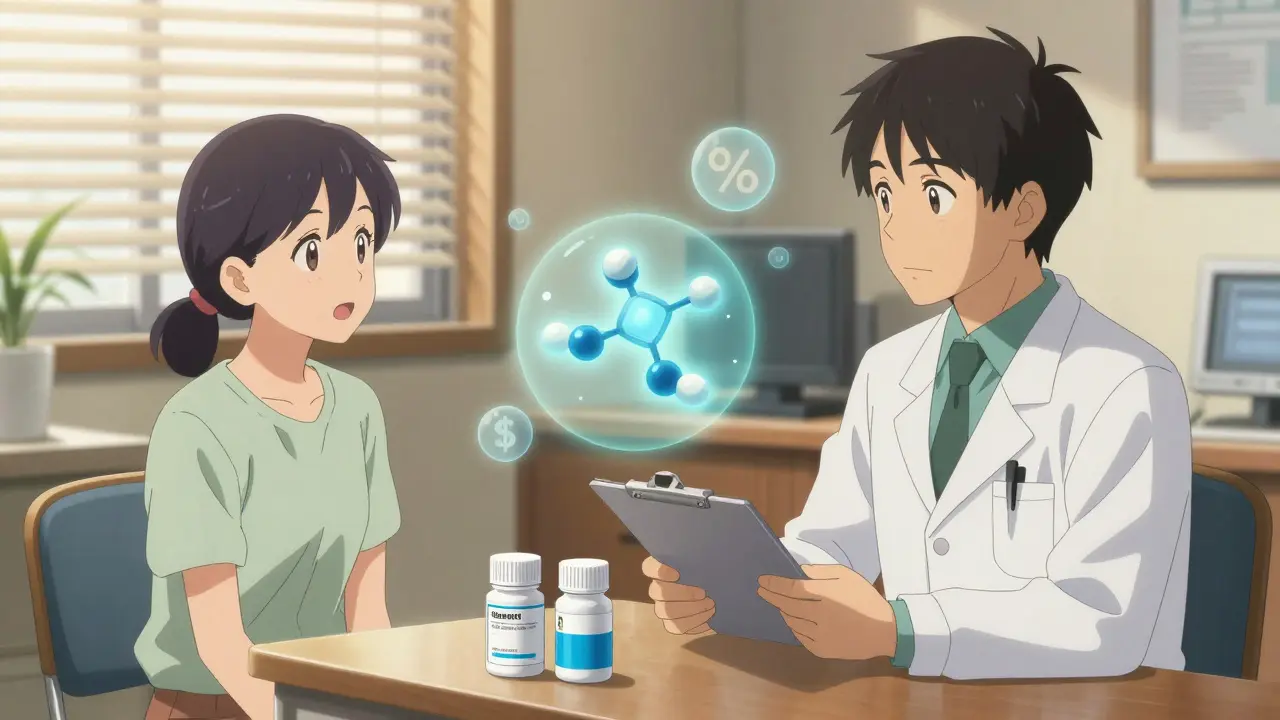
Learn how to ask your doctor about generic alternatives to save hundreds or even thousands on prescriptions. Discover when generics are safe, how to bring up the topic, and what to do if your doctor says no.
Jan
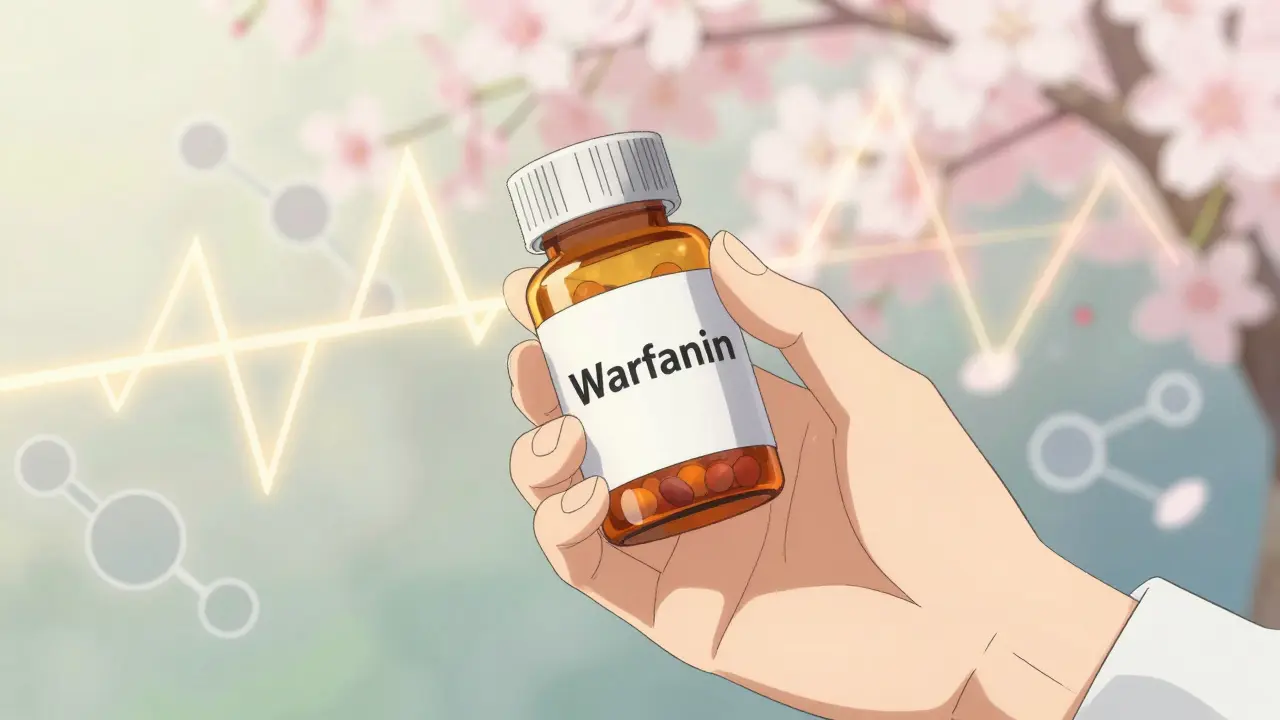
Narrow therapeutic index drugs require stricter bioequivalence standards to ensure generic versions are as safe and effective as brand-name drugs. Learn how the FDA, EMA, and Health Canada regulate these critical medications.
Jan
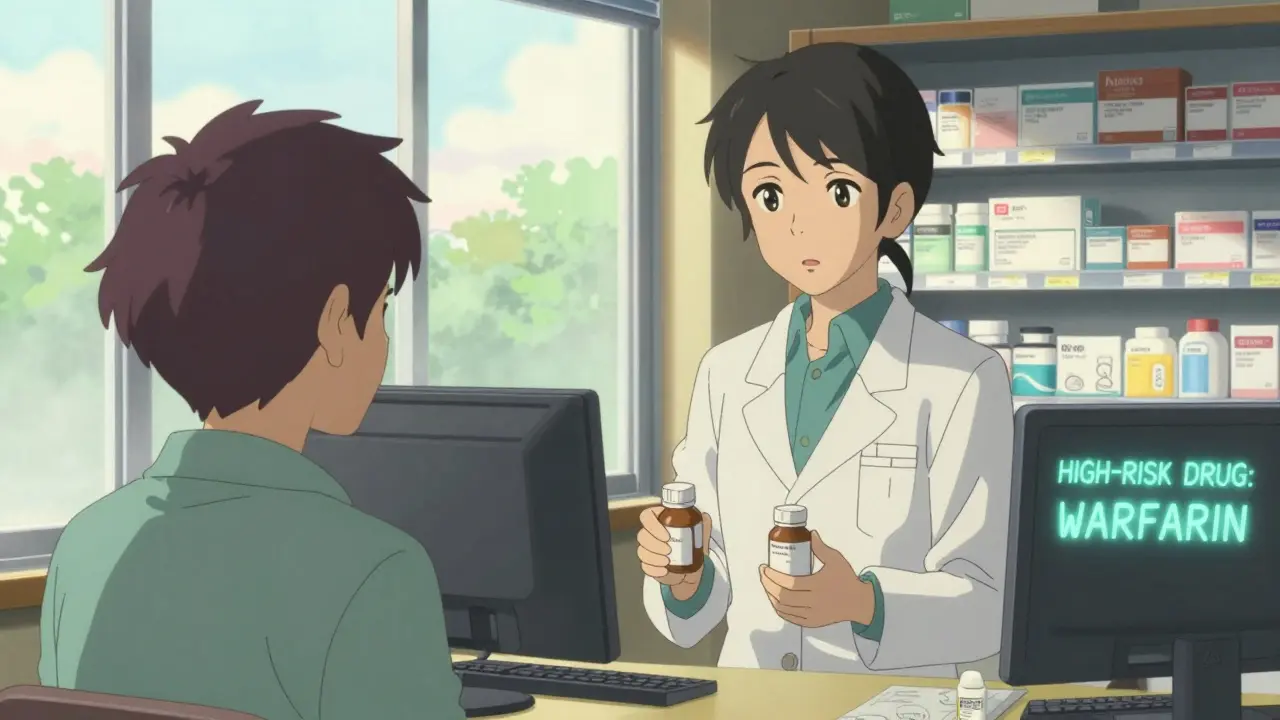
Generic substitution saves money but increases legal risk for pharmacists. Learn how state laws, high-risk drugs, and documentation practices affect liability-and what steps you can take to protect yourself and your patients.
Jan
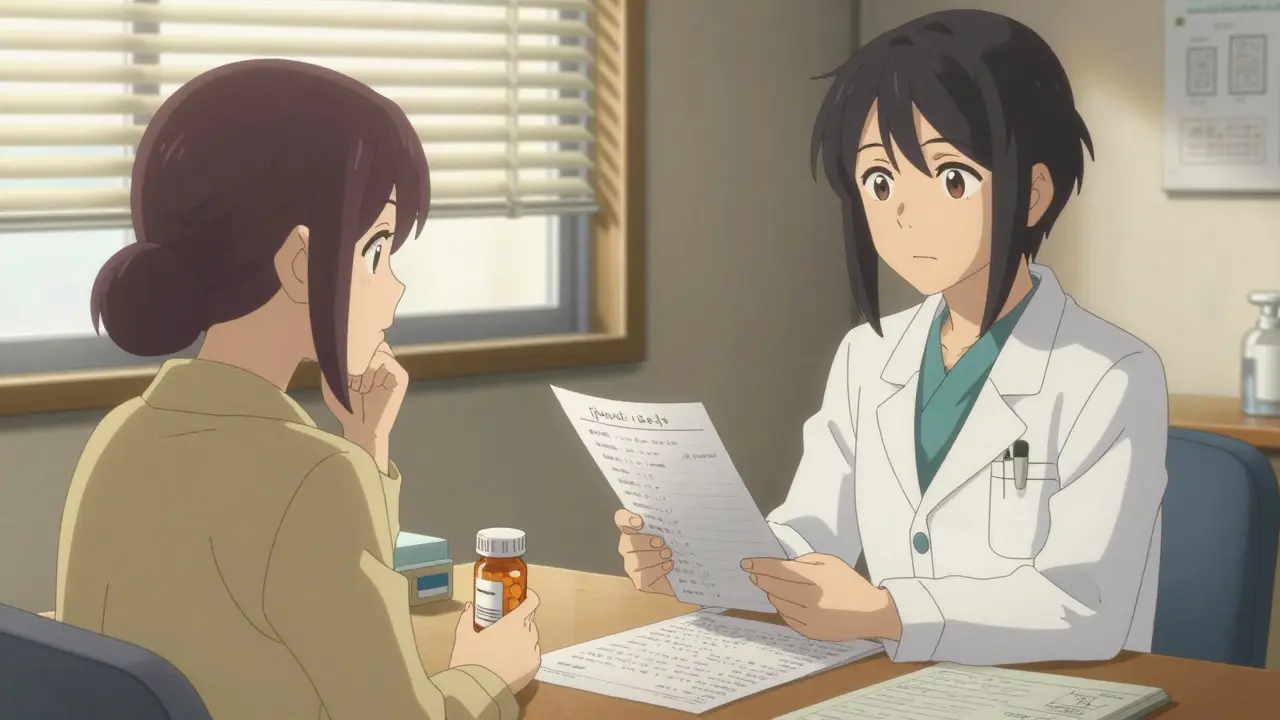
If you've had bad reactions or worsening symptoms after switching to a generic drug, you're not alone. Learn how to talk to your doctor about staying on your brand medication with clear steps, evidence, and real strategies that work.
Dec
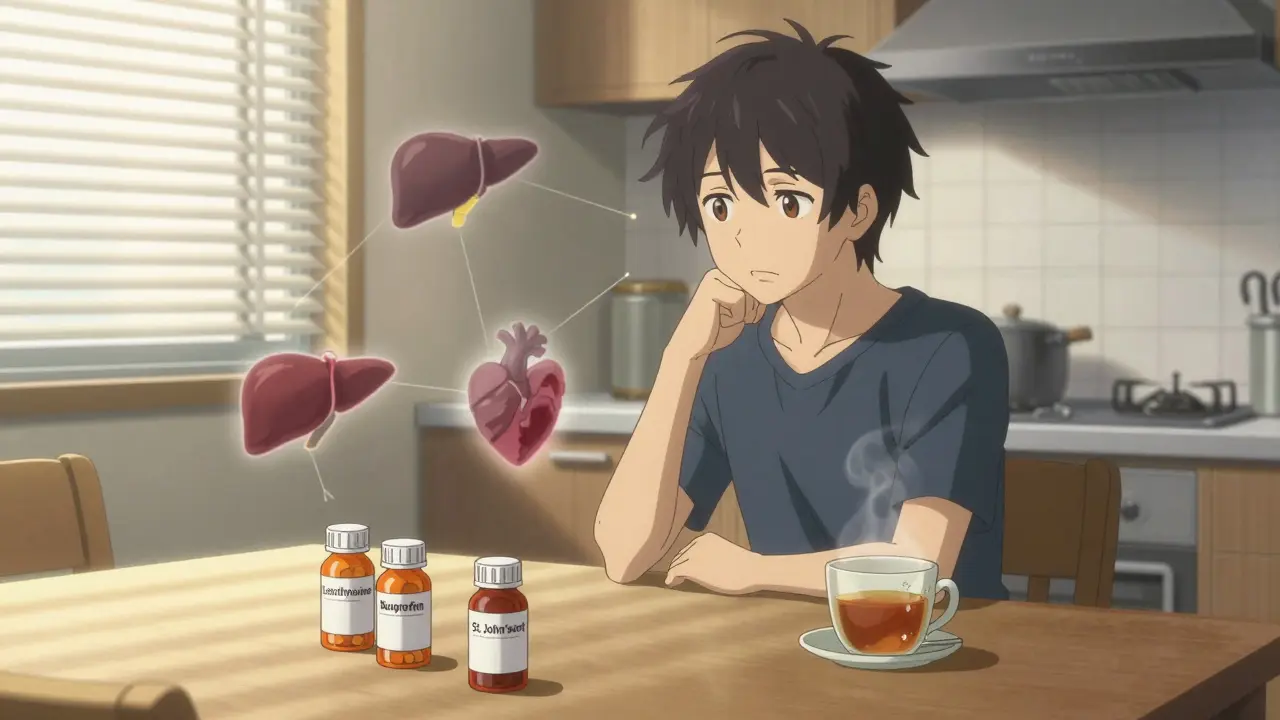
Different types of medications - prescription, OTC, and herbal - come with different side effects. Learn how to spot dangerous interactions, why generics aren’t always interchangeable, and what to watch for when switching drugs.
Dec
Physicians prescribing generic medications face rising legal risks as federal law shields manufacturers from liability. Learn how to protect yourself with proper documentation, high-risk drug awareness, and updated prescribing practices.
Dec

The FDA now conducts unannounced inspections of foreign generic drug factories to close safety gaps. Learn how CGMP standards, new inspection rules, and global oversight are changing the safety of your medications in 2025.
Dec
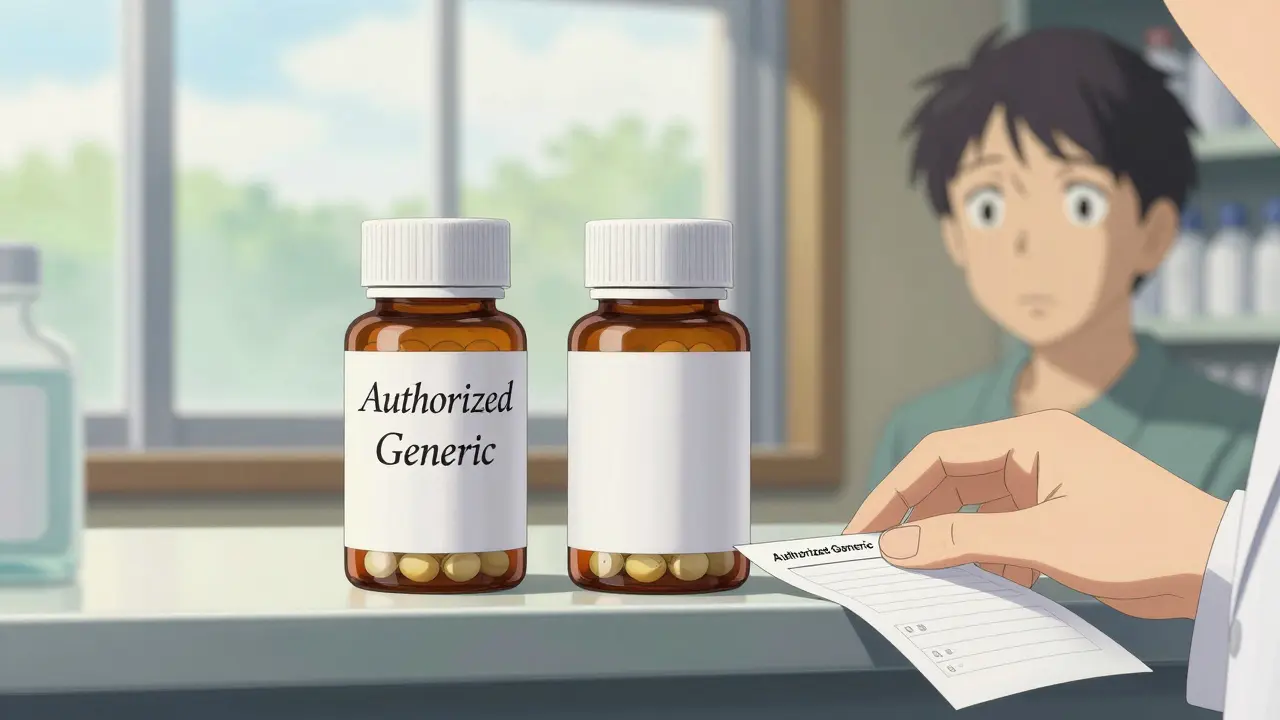
Authorized generics are brand-name drugs sold without the brand name after patent expiration. They're identical to the original medication and help lower prices during the critical 180-day generic exclusivity window.
Dec
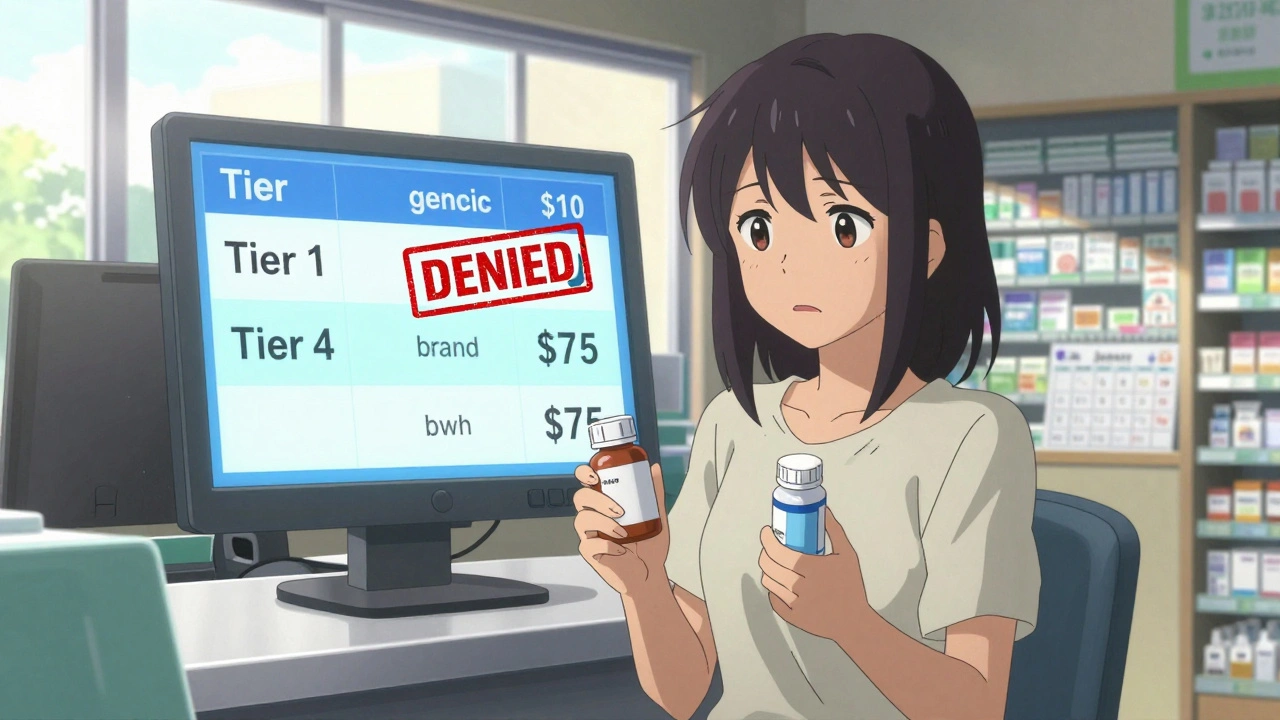
Employer health plans use tiered formularies to push generic drugs and cut costs-but the savings don't always reach you. Learn how formularies work, why drugs get dropped, and what you can do to protect your coverage.
Nov
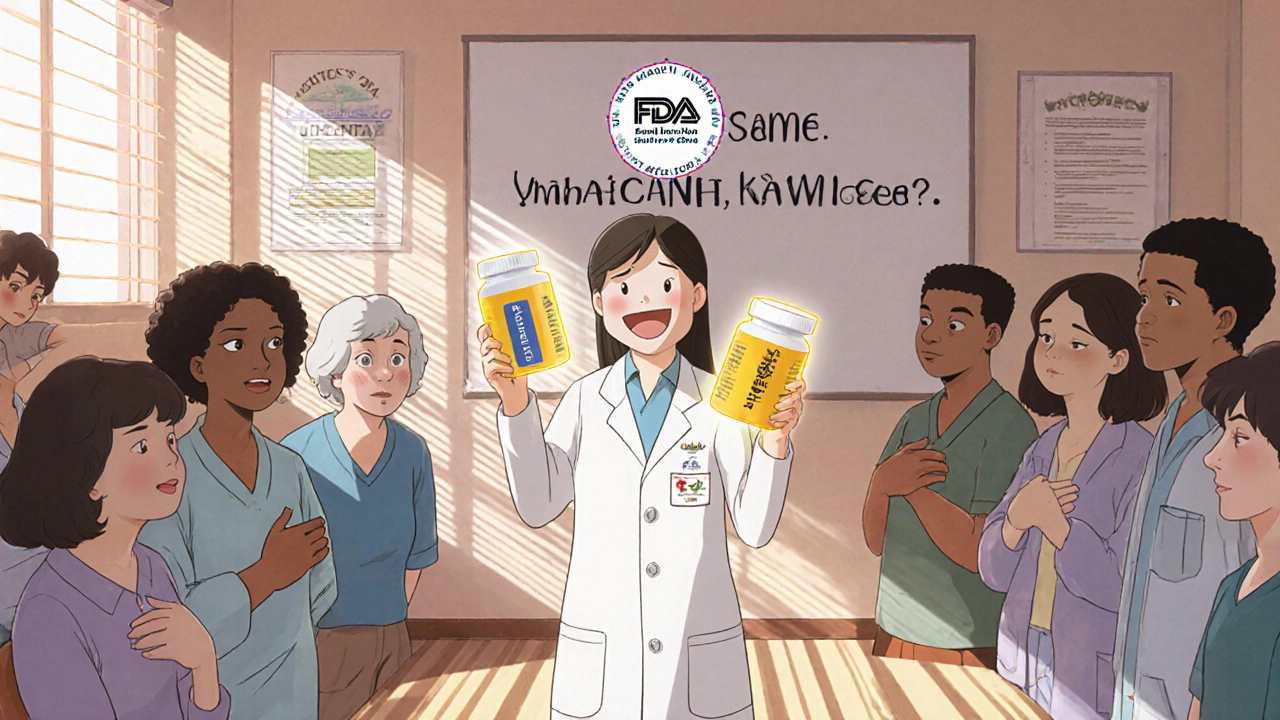
Learn how public education on generic drugs is helping patients save money without sacrificing safety. Discover the facts behind generic medication equivalence and how community health programs are closing the knowledge gap.
Nov

Paragraph IV certifications let generic drug makers challenge brand-name patents before launch, speeding up access to affordable medications. Learn how this legal tool works, who uses it, and why it saves billions.
Nov
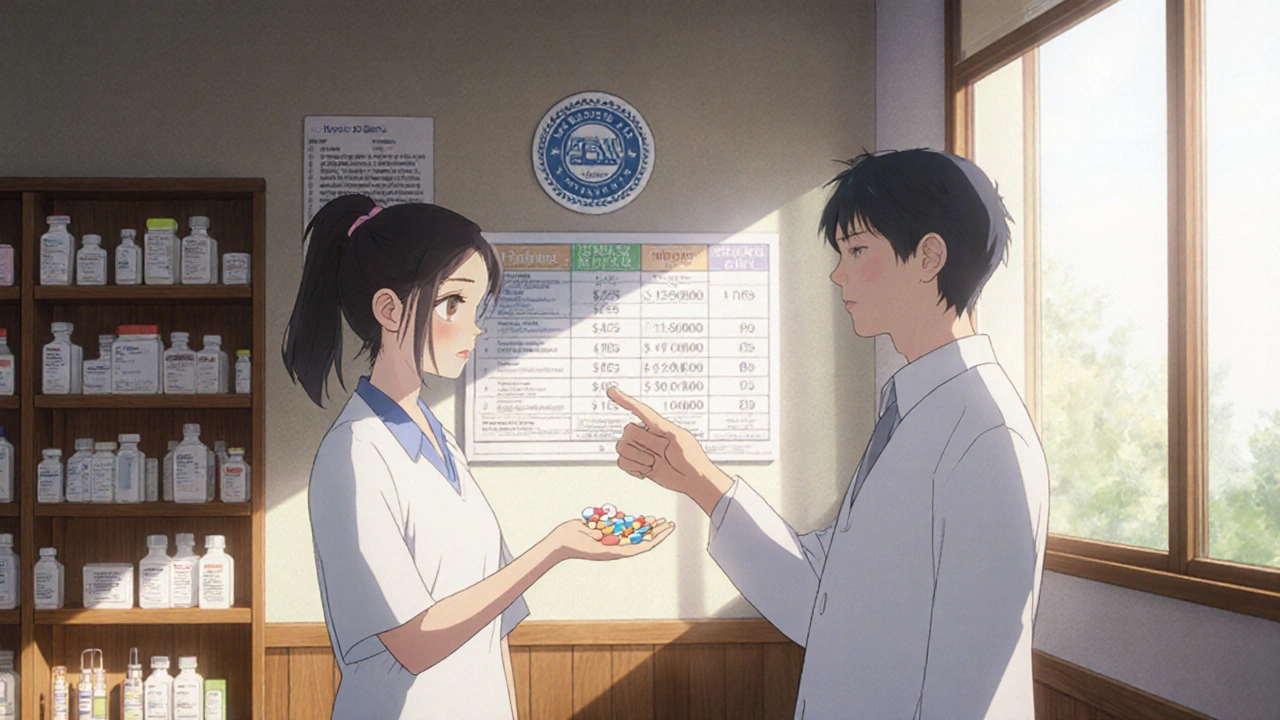
Learn the difference between single-source and multi-source drugs, how they affect your out-of-pocket costs, why generics work just as well, and how to navigate insurance rules to save money on prescriptions.

Mar 4 2025
Feb 18 2026

Jan 17 2026
Nov 25 2025
Dec 26 2025