
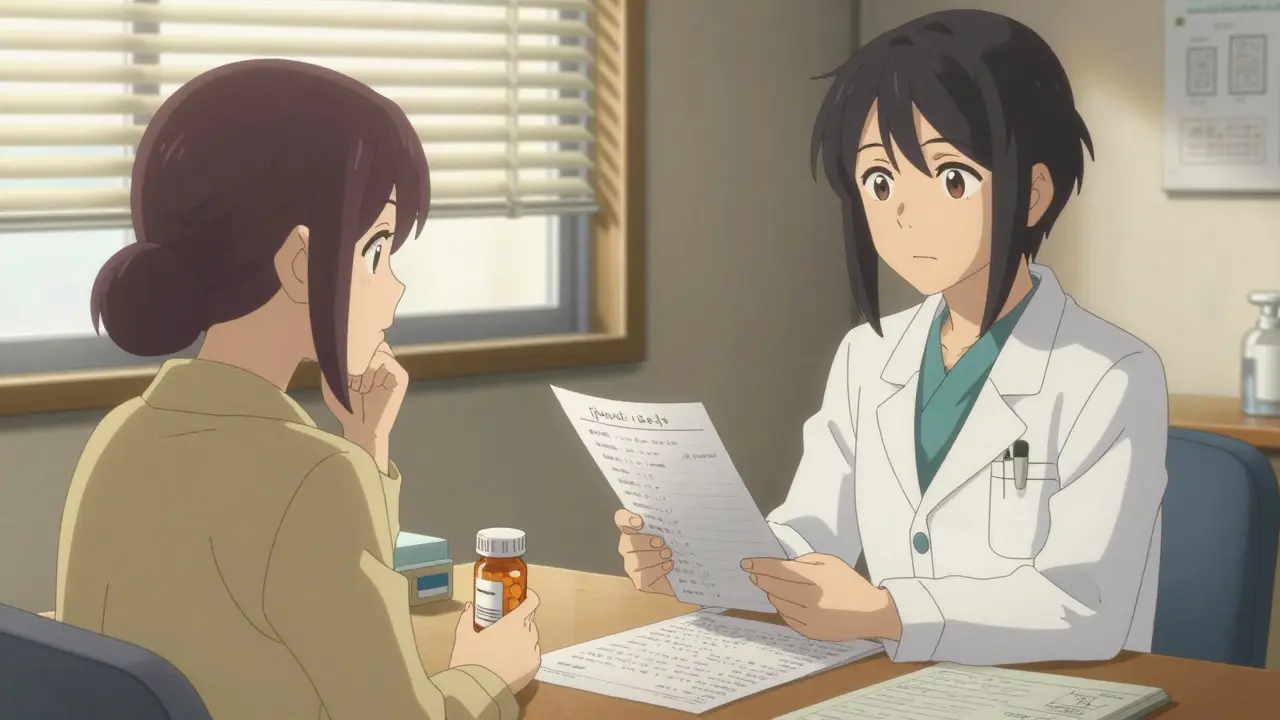
Switching from a brand-name medication to a generic might sound like a simple cost-saving move-but for some people, it’s not. If you’ve noticed changes in how you feel after your pharmacy switched your prescription, you’re not imagining it. You’re not being difficult. You’re not overreacting. You’re just someone who needs the right medication to work-and sometimes, that means sticking with the brand.
Why Some People Can’t Switch to Generics
Generic drugs are required by law to have the same active ingredient as the brand version. That’s the rule. But here’s what the rule doesn’t say: generics can have different fillers, dyes, preservatives, and coatings. These are called inactive ingredients. For most people, they don’t matter. But for others, they cause real problems. If you’ve had stomach upset, rashes, dizziness, or a sudden drop in effectiveness after switching to a generic, it could be tied to something in the pill that wasn’t there before. For example, some generic versions of levothyroxine (used for thyroid conditions) contain different fillers that can affect how the drug is absorbed. A 2021 study found patients switching from brand to generic levothyroxine had a 23% higher chance of thyroid levels going out of range. The same goes for warfarin, epilepsy meds like Keppra, and certain antidepressants. These are called narrow therapeutic index drugs. That means the difference between the right dose and a dangerous one is tiny. Even small changes in how the body absorbs the drug can throw off your balance. One patient on Reddit shared: “I hadn’t had a seizure in five years on the brand. Three months after switching to generic Keppra, I had three in a row.” You don’t need to guess if this is happening to you. Keep a simple log: write down the date you switched, what symptoms started, and how bad they were. If you’ve had blood tests-like INR levels for warfarin or drug levels for epilepsy meds-save those results. They’re your evidence.What to Say When You Talk to Your Doctor
Talking to your doctor about staying on brand isn’t about arguing. It’s about sharing facts. You’re not asking for special treatment. You’re asking for the treatment that works for you. Use the SBAR method-it’s simple and works:- Situation: “I was switched to a generic version of my medication last month.”
- Background: “I’ve been stable on the brand for over two years. No issues.”
- Assessment: “Since the switch, I’ve had [specific symptom] starting on [date]. My blood test on [date] showed [value]-it was way off from my usual range.”
- Recommendation: “Can we go back to the brand? Or at least try another generic from a different maker?”
Insurance Isn’t Your Enemy-But It’s a Hurdle
Most insurance plans push generics because they’re cheaper. That’s not personal. But it can feel like it when you’re the one paying the price in symptoms. Your doctor might need to file a prior authorization to get the brand approved. That’s paperwork. It takes time. But here’s the good news: 72% of these denials get overturned when you have solid documentation. Ask your doctor to write “Dispense as Written” or DAW-1 on the prescription. That tells the pharmacy: don’t substitute. It’s legal. It’s common. And it’s your right if your doctor says it’s medically necessary. If your insurance denies it, ask for an appeal. You don’t need a lawyer. Just send your doctor’s note, your symptom log, and your lab results. The Patient Advocate Foundation found the average time to get an appeal approved is 2.7 hours total-mostly just gathering papers.
Know Your Medication’s Details
You don’t need to be a pharmacist. But you should know one thing: every generic has an ANDA number. That’s the FDA’s official approval code. You can look it up on Drugs@FDA (it’s free, no login needed). Compare the inactive ingredients in your brand to the generic you were switched to. For example, if your brand doesn’t contain lactose but the generic does, and you’re lactose intolerant-that’s a valid reason. If your brand uses a specific dye and the generic uses a different one, and you’ve had skin reactions before-that’s a valid reason. The FDA says generics must be bioequivalent. But bioequivalent doesn’t mean identical. And for some people, that difference matters.What Your Doctor Might Say-and How to Respond
Your doctor might say: “Generics are just as good.” You can say: “I know they’re supposed to be. But I’ve seen what happens when I switch. My body reacts differently. I’m not asking for a luxury-I’m asking for stability.” They might say: “It’s too expensive.” You can say: “I understand. But if I end up in the ER because my condition flares up, that costs more. Can we try one more time with the brand? I’ll help with the paperwork.” They might say: “Let’s try another generic.” That’s fine. But ask: “Can we stick with one brand of generic? And if it doesn’t work, can we go back to the original brand?” Don’t let them keep switching you around. Every switch is a new risk.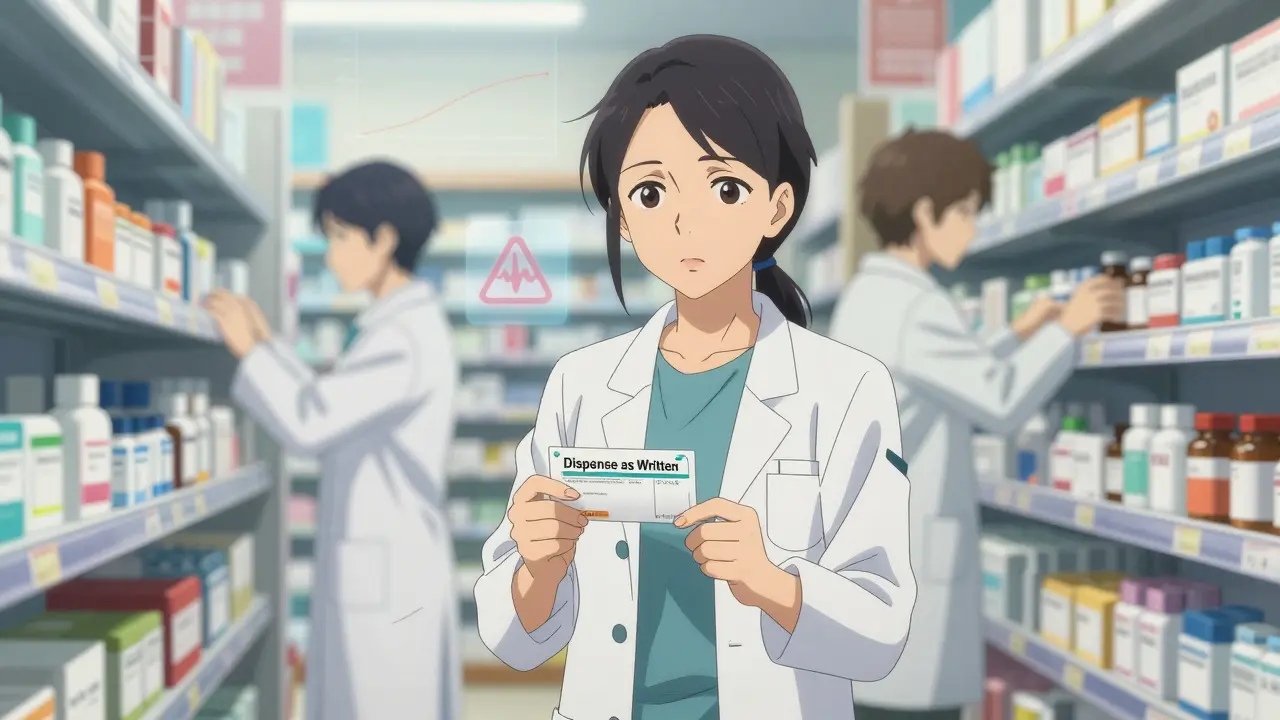
What You Can Do Right Now
You don’t need to wait for your next appointment. Start today:- Check your last prescription. What’s the brand name? What’s the generic name?
- Look at the pill bottle. What’s in the “inactive ingredients” section? Write it down.
- Compare it to your old brand. Are there new dyes? Fillers? Lactose? Gluten?
- Check your health journal. Did symptoms start after a switch? When?
- Call your pharmacy. Ask them what generic manufacturer they’re using now. Write it down.
- Print your last lab results if you have them. Highlight any numbers that changed.
It’s Not About Trusting the System-It’s About Trusting Yourself
You’ve lived with your body longer than any doctor or pharmacist has. You know when something’s off. And if you’ve had a bad reaction to a generic, you’re not alone. Studies show 14% of doctors have seen patients have worse outcomes after switching. 7% of people report allergic reactions to inactive ingredients in generics. You’re not asking for something rare. You’re asking for something reasonable: the medicine that works for you. The system is built to save money. But your health isn’t a line item. It’s your life. And you have the right to speak up about it.Can my pharmacist switch my medication without telling me?
Yes, in most states, pharmacists can switch your brand-name drug to a generic without telling you-unless your doctor writes “Dispense as Written” on the prescription. Forty-seven states allow automatic substitution. But you have the right to ask your pharmacist to notify you before switching. Always check your pill bottle when you pick up a refill. If it looks different, ask why.
Are brand-name drugs better than generics?
For most people, no. Generics are just as safe and effective. But for a small group-especially those on narrow therapeutic index drugs like warfarin, levothyroxine, or certain seizure meds-brand-name drugs can be more reliable. Differences in inactive ingredients or manufacturing can affect how the drug is absorbed. If you’ve had problems with generics before, your experience matters more than the general rule.
What if my doctor won’t write a prior authorization?
If your doctor refuses, ask why. Are they worried about cost? Do they think your concerns aren’t valid? If it’s cost, offer to help with paperwork. If it’s doubt, bring your symptom log and lab results. If they still won’t help, ask for a referral to another provider. Your health is worth advocating for. You can also contact your insurance company’s patient advocate-they often help mediate these situations.
Can I switch back to the brand if I try a generic and it doesn’t work?
Yes. But don’t wait until you’re in crisis. If you notice changes-worse symptoms, new side effects, or abnormal lab results-contact your doctor right away. The sooner you speak up, the easier it is to get back on the brand. Insurance companies are more likely to approve a switch back if you have clear documentation of what happened after the change.
Is it true that generics are made in the same factories as brand-name drugs?
Sometimes, yes. Many brand-name companies also make generics under a different name. But that doesn’t mean they’re identical. The formulation can change, and the inactive ingredients are often different. Even if the same factory makes both, the pill you get as a generic may not be the same as the brand version you used to take.
What if I can’t afford the brand even with insurance?
Ask your doctor about patient assistance programs. Many drug manufacturers offer discounts or free medication for people who qualify. You can also check with nonprofit organizations like NeedyMeds or the Patient Advocate Foundation. Some pharmacies offer discount cards that lower the price of brand-name drugs. Don’t give up-there are options, even if they take extra effort to find.



Comments
Paul Ong
Just started logging my symptoms after the switch to generic levothyroxine
My TSH jumped from 2.1 to 8.9 in 6 weeks
Went to my doc with the numbers and the bottle
They switched me back next week
Done
Bryan Anderson
This is one of the most thoughtful, well-researched pieces I’ve read on this topic. I’ve been on warfarin for 12 years and switched generics twice-both times my INR went haywire. The second time, I ended up in the ER. I didn’t know about DAW-1 until now. Thank you for the SBAR framework. I’m printing this out for my next appointment.
Richard Thomas
The assumption that bioequivalence equals biological equivalence is a dangerous oversimplification. We treat pharmaceuticals like interchangeable widgets, but the human body is not a machine with standardized parts. The inactive ingredients-those ‘harmless fillers’-are often derived from industrial byproducts, sometimes sourced from different countries with varying purity standards. And we wonder why some of us experience subtle but devastating shifts in mood, cognition, or physical stability. It’s not about distrust in science-it’s about recognizing that science hasn’t yet accounted for the full complexity of individual biochemistry. The FDA’s standards are minimums, not ideals. And for those of us who fall outside the bell curve, the system doesn’t just fail-it erases us.
gerard najera
My doc said generics are the same. I showed him my log. He apologized. Switched me back. Simple.
Austin Mac-Anabraba
Everyone’s a victim here. Nobody wants to pay for brand name. You think your body is special? 99% of people switch just fine. You’re not ‘sensitive’-you’re lazy. Go find a new doctor who doesn’t pander to hypochondriacs. Your insurance is trying to save money so your premiums don’t skyrocket. Stop being entitled. If you can’t afford the brand, tough. You don’t get special treatment because you ‘feel’ different. That’s not medicine, that’s astrology.
Phoebe McKenzie
HOW DARE YOU say this is normal?! You’re just a pawn in Big Pharma’s scam! The FDA is corrupt! They let generics with toxic dyes through because they’re paid off by the drug companies! I’ve been researching this for years-lactose, gluten, titanium dioxide-it’s all poison! My neighbor’s son had a seizure after a generic switch and now he’s in a wheelchair! Your doctor doesn’t care because they’re on the payroll! You need to go viral with this! Call the news! Sign the petition! Don’t just sit there-FIGHT!
Andy Heinlein
Been there. Took me 3 months to get my doc to listen
But once I brought the bottle and my sleep log
He just said ‘you’re right’ and wrote DAW-1
Life’s better now
Don’t give up. You got this
Stephen Gikuma
They’re switching our meds because the government is letting foreign factories make our pills. China and India are dumping cheap generics here. They don’t test the same way. The FDA is a joke. This is how they control the population. You think your thyroid is acting up? It’s the fluoride in the filler. It’s the mind control. You think you’re just tired? No. You’re being dosed. Wake up. Find the real brand. Order from Canada. Don’t trust anyone in this system.