
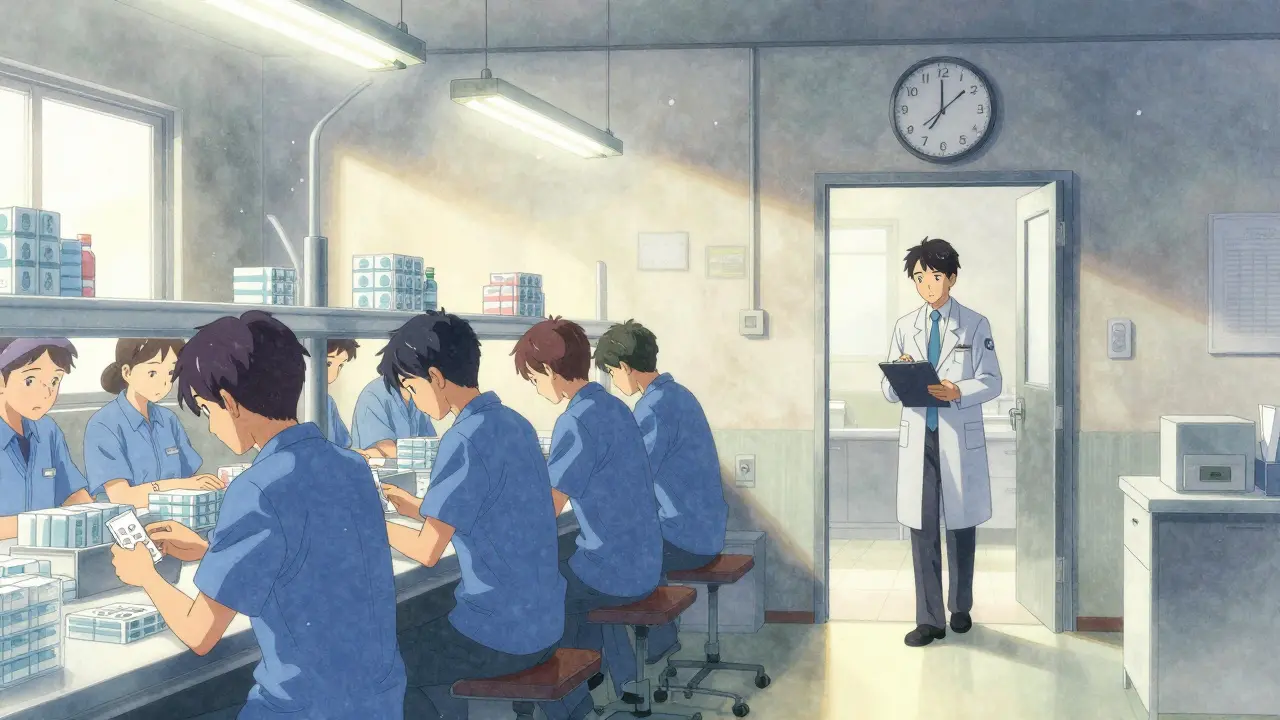
Why Foreign-Made Generic Drugs Are Under Scrutiny
More than 80% of the active ingredients in your prescription medications come from factories in India and China. About 40% of finished generic pills - the ones you pick up at the pharmacy for $4 - are made overseas. That’s not a secret. But what many people don’t know is how little oversight those factories used to get compared to ones in the U.S.
Until recently, the FDA could show up at a drug factory in Ohio with no warning. But if the same factory was in Hyderabad or Shanghai, inspectors gave them 8 to 12 weeks of notice before visiting. That’s like giving a student a syllabus before the final exam - plenty of time to cram, clean up, and hide the truth.
That double standard is gone. In May 2025, the FDA announced a major shift: at least half of all foreign inspections will now be unannounced. This isn’t just a policy tweak. It’s a response to years of warnings, failed inspections, and dangerous gaps in safety.
What the FDA Actually Checks - and Why It Matters
The FDA doesn’t just look at the pills. They dig into everything that goes into making them. During an inspection, investigators check:
- Whether lab records are real - or faked
- If equipment is cleaned properly between batches
- If workers are trained to spot contamination
- If quality control tests are done correctly - or skipped entirely
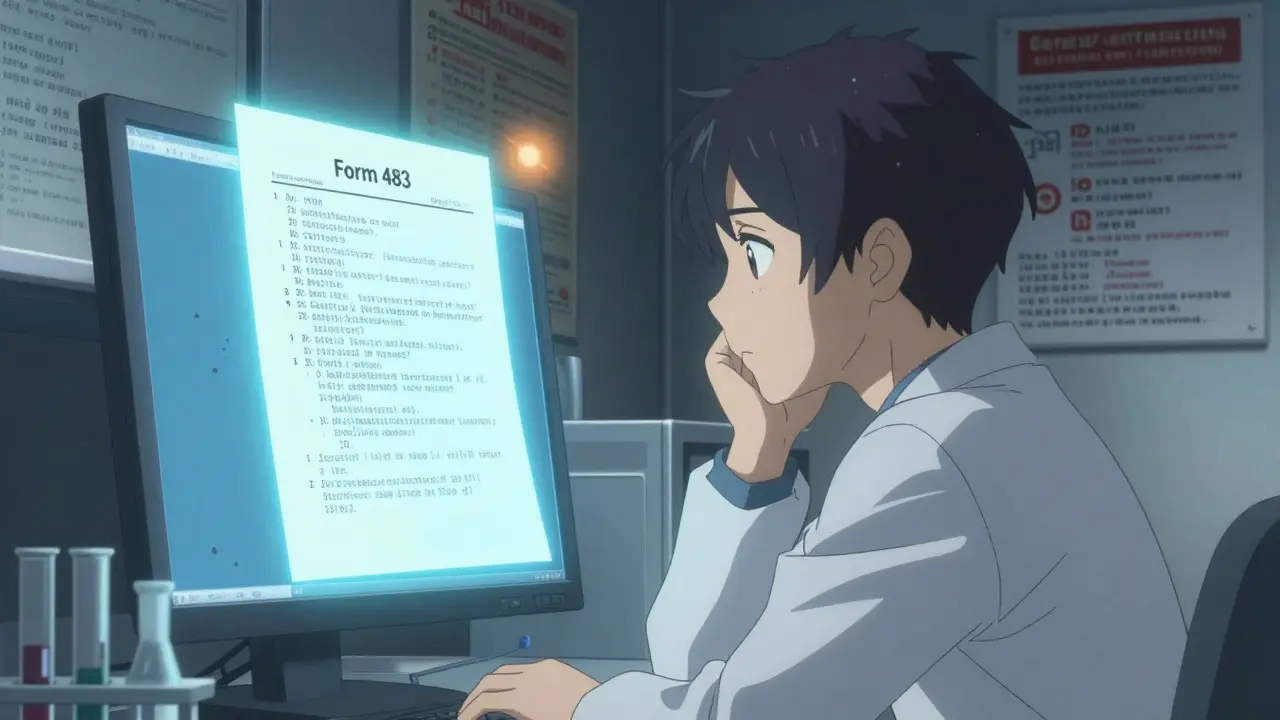
They use a form called Form 483 to list any problems. If a facility gets one of these, it doesn’t mean the drugs are unsafe yet. But it does mean the FDA found signs that something could go wrong - and it’s a red flag that could block shipments.
Here’s what the numbers show: in 2024, foreign facilities had 38.7% of inspections with data integrity issues - like altered test results or deleted computer logs. At U.S. plants, that number was just 17.2%. Contamination problems were more than twice as common overseas. That’s not because foreign workers are careless. It’s because systems were weaker - and oversight was weaker too.
The New Rules: Unannounced Inspections Are Now the Norm
The FDA’s old system let factories clean up before inspectors arrived. They’d hire extra staff, fix broken equipment, and make sure the paperwork looked perfect. But real quality isn’t something you can fake for a day. It’s built into how you operate every single day.
Starting in 2025, the FDA is flipping the script. They’re increasing unannounced inspections for foreign facilities from about 15% to at least 50% by mid-2026. That means a factory in Pune or Hangzhou could get a knock on the door with as little as 24 hours’ notice.
Refusing entry? That’s a deal-breaker. The FDA can immediately block all drugs from that facility from entering the U.S. No appeals. No second chances. Just a stop order.
This change didn’t come out of nowhere. In April 2025, Senators Kirsten Gillibrand and Tim Scott demanded answers after reports showed the FDA had approved drugs from facilities with known violations. One case involved Sun Pharma in India - banned in 2021 for serious issues, yet still allowed to ship four drugs to the U.S. months later. That’s the kind of loophole the new policy is meant to close.
How Foreign Manufacturers Are Adapting - and Struggling
Companies in India and China are scrambling to keep up. In early 2025, the FDA issued dozens of warning letters to foreign generic makers citing “serious deviations” in quality control, testing, and contamination prevention. Many of these were small or mid-sized factories that never had to deal with surprise inspections before.
A survey by the Parenteral Drug Association found that 68% of foreign manufacturers expect compliance costs to rise by 15% to 25%. For a small plant, that could mean hiring an extra quality officer, upgrading lab software, or training staff on real-time documentation.
Experts say the best way to prepare is simple: act like inspectors are coming every day. That means:
- Doing daily audits of records and equipment logs
- Running mock inspections every quarter
- Training staff to never alter data - even if it looks bad
- Keeping digital records that can’t be easily deleted
It takes 6 to 9 months for most companies to fully adapt. Those who wait until the FDA shows up are already behind.
Why the U.S. System Is Changing - and What’s Next
The U.S. doesn’t just want to catch bad actors. It wants to prevent them from ever getting started.
The FDA’s Office of Pharmaceutical Quality is pushing for a uniform system: same rules, same inspections, same standards - whether the factory is in New Jersey or New Delhi. This isn’t just about fairness. It’s about safety.
Some experts, like Dr. Ameet Sarpatwari from Brookings Institution, argue the U.S. should borrow a model from Europe: require every importer to have a Qualified Person - someone legally responsible for certifying each batch meets standards before it enters the country. Right now, the U.S. relies too much on manufacturers to police themselves. That’s not enough.
President Trump’s Executive Order 14135, signed in May 2025, demands the FDA eliminate the inspection gap within 18 months. To make that happen, the agency is hiring 200 new inspectors by 2026. That’s a 40% increase in international inspection capacity.
There’s a cost. Evaluate Pharma warns that in the short term, supply chains could be disrupted. Up to 20% of generic drug availability might dip as factories fix problems or get blocked. But long-term? The goal is fewer recalls, fewer contaminated batches, and more trust in the drugs Americans rely on.
What This Means for You - The Patient
You don’t need to know the difference between CGMP and GMP. But you should know this: the pills you take are being watched more closely than ever.
Generic drugs aren’t cheaper because they’re lower quality. They’re cheaper because they don’t need expensive clinical trials. But they still have to meet the same safety and effectiveness standards as brand-name drugs - or they shouldn’t be on the shelf.
Thanks to the new inspection rules, the chance that a contaminated or mislabeled generic drug reaches your medicine cabinet is shrinking. That’s not marketing. That’s data.
And if you ever wonder why your prescription cost $5 instead of $150 - remember: someone, somewhere, is being watched every day to make sure that price doesn’t come at the cost of your health.
Global Cooperation and the Future of Drug Safety
The FDA isn’t working alone. It shares inspection data with regulators in Europe, Japan, and Australia through formal agreements. If a factory in India fails an FDA inspection, the European Medicines Agency might find out the same day.
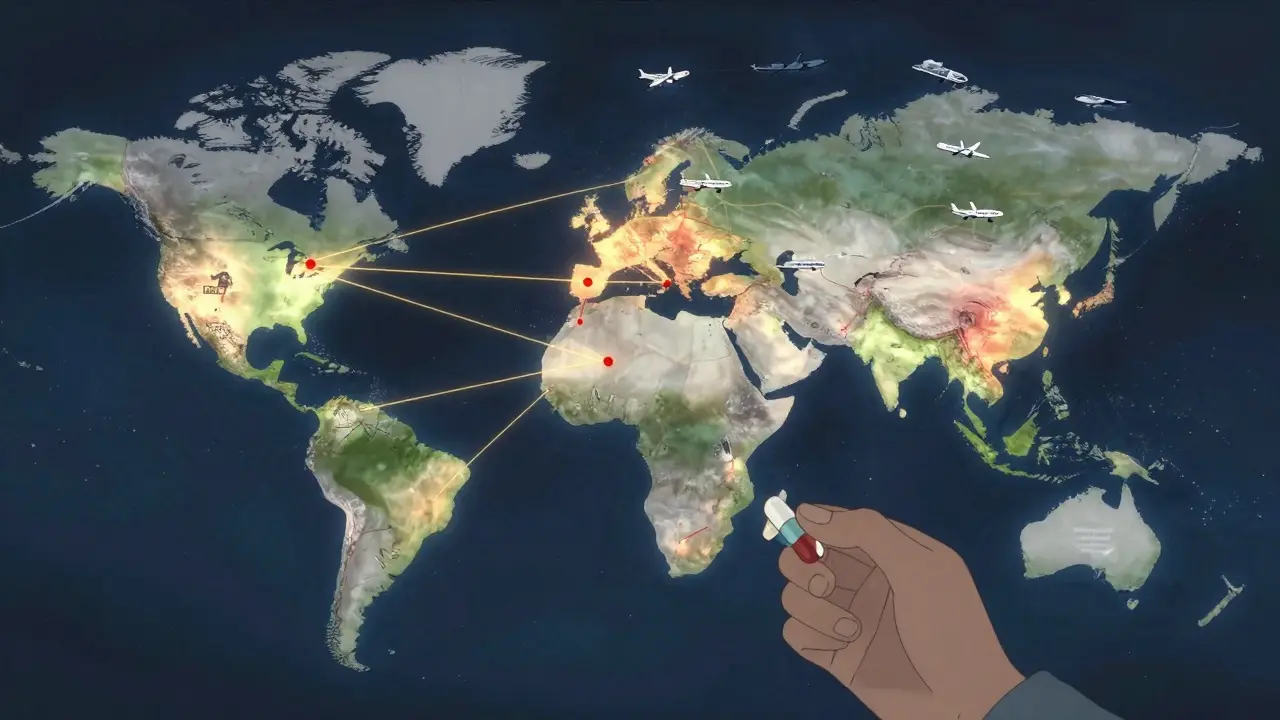
This kind of cooperation is critical. Drug supply chains are global. A single batch of active ingredient might be made in China, mixed in the Netherlands, and packaged in Mexico before ending up in a U.S. pharmacy.
The goal isn’t to punish foreign manufacturers. It’s to raise the floor for everyone. When one country cuts corners, it puts patients everywhere at risk. That’s why the new rules aren’t just about the FDA - they’re about building a global standard for safety.


Comments
Anna Giakoumakatou
Ah yes, the great American pharmaceutical enlightenment. We finally noticed that factories in India and China might not be running on pure virtue and yoga breaths. Took long enough. Now we’re going to ‘inspect’ them like they’re middle schoolers caught cheating on a pop quiz. Bravo. The real scandal? We outsourced our medicine to countries with weaker labor laws and then acted shocked when corners got cut. We didn’t need unannounced inspections-we needed to stop outsourcing entirely. But that would require, I don’t know, paying $15 for a pill instead of $4. And heaven forbid we pay for quality.
So now we’re heroes. We’re saving lives by doing the bare minimum. How noble.
CAROL MUTISO
I’ve been waiting for this. For years, I’ve watched people panic about ‘foreign-made’ drugs like they’re some kind of toxic alien spice. But here’s the truth: the pills in your bottle are chemically identical to the brand-name ones. The difference? The factory floor. And now, finally, the FDA is treating global manufacturing like it’s not a second-class citizen. The 38.7% data integrity issue in foreign plants? That’s not about race or nationality-it’s about systems. Weak systems. And now they’re being forced to build real ones. I’ve seen small labs in Pune go from ‘we’ll fix it tomorrow’ to full digital audit trails in six months. It’s messy. It’s expensive. But it’s the right kind of chaos. The kind that saves lives.
Also, the ‘Qualified Person’ idea from Europe? Yes. Please. Someone should be legally on the hook for every batch. Not some middle manager who got promoted because they knew the boss’s kid.
Erik J
Interesting that the FDA’s own data shows contamination rates are over twice as high overseas. I wonder if that correlates with the number of inspectors per facility. Or maybe it’s just that U.S. plants have been under scrutiny for decades, so the baseline standards are baked in. Foreign plants are playing catch-up. The real question: are we ready to pay more for drugs if it means every batch is truly verified? Or is this just another regulatory checkbox we’ll forget about in five years?
BETH VON KAUFFMANN
CGMP compliance. Data integrity. Form 483s. The FDA’s entire playbook is just a corporate compliance theater. You want safety? Ban all foreign manufacturing. Period. The fact that we tolerate 40% of our generics coming from countries with documented fraud histories is a national security failure. And now they’re hiring 200 inspectors? That’s cute. The FDA has 2,000 inspectors total. They’re not going to inspect every factory in China and India. They’re going to pick the low-hanging fruit-the ones already on their radar. The rest? Still flying under the radar. This isn’t reform. It’s optics.
Martin Spedding
So now the FDA is gonna fly to Hyderabad like it’s a spy movie? LOL. Good luck with that. Factories there have been dodging inspectors since the 90s. They’ll just hire temp workers, fake logs, and wait it out. And the 20% supply dip? That’s the real story. You think people are gonna pay $15 for metformin? Nah. They’ll just go without. Or buy from shady online sellers. This policy sounds good on paper. In reality? It’s gonna hurt the people it’s supposed to save.
Jigar shah
As someone who works in a generic pharma plant in Gujarat, I can say this: the new rules are terrifying… but necessary. We used to prep for inspections like we were preparing for a wedding. Now? We just do our job every day. No more deleting logs. No more ‘adjusting’ test results. It’s harder. More expensive. But the quality is real now. We’ve had two FDA visits in the last six months-both unannounced. We passed. Not because we were lucky. Because we stopped lying. I’m proud of that. This isn’t punishment. It’s professionalism.
Marie Mee
I think the FDA is lying. I think they’re letting the drugs in anyway. I saw a video on TikTok where someone said the FDA just takes bribes. And my cousin’s friend’s neighbor’s dog got sick after taking a generic. Coincidence? I think not. They’re just trying to scare us so we don’t ask questions. Also, why are they always targeting India? Are they racist? I think so.
Naomi Lopez
The irony is delicious. We outsource the dirty work to Asia, then act shocked when the system collapses. Now we’re playing the moral guardian? We’re the ones who demanded cheap drugs. We’re the ones who pressured manufacturers to cut costs. And now we want to pretend we didn’t know what that meant. This isn’t a safety win-it’s a reckoning. And it’s long overdue. The real question: who’s going to pay the price? Because it won’t be the CEOs.
Victoria Rogers
This is just another socialist plot to make us dependent on the government. Why can’t we just make our own drugs? We’re America. We don’t need China or India to make our pills. This is a national emergency. We need to shut down all foreign manufacturing and bring it back home. No more outsourcing. No more foreign meddling. We’re not a third-world country. We’re the United States of America.
Jane Wei
Honestly? I just hope my blood pressure med doesn’t disappear. I’ve been on the same generic for 8 years. It works. I don’t care if it’s made in India or Ohio. As long as I can still afford it. Hope they don’t screw this up.