
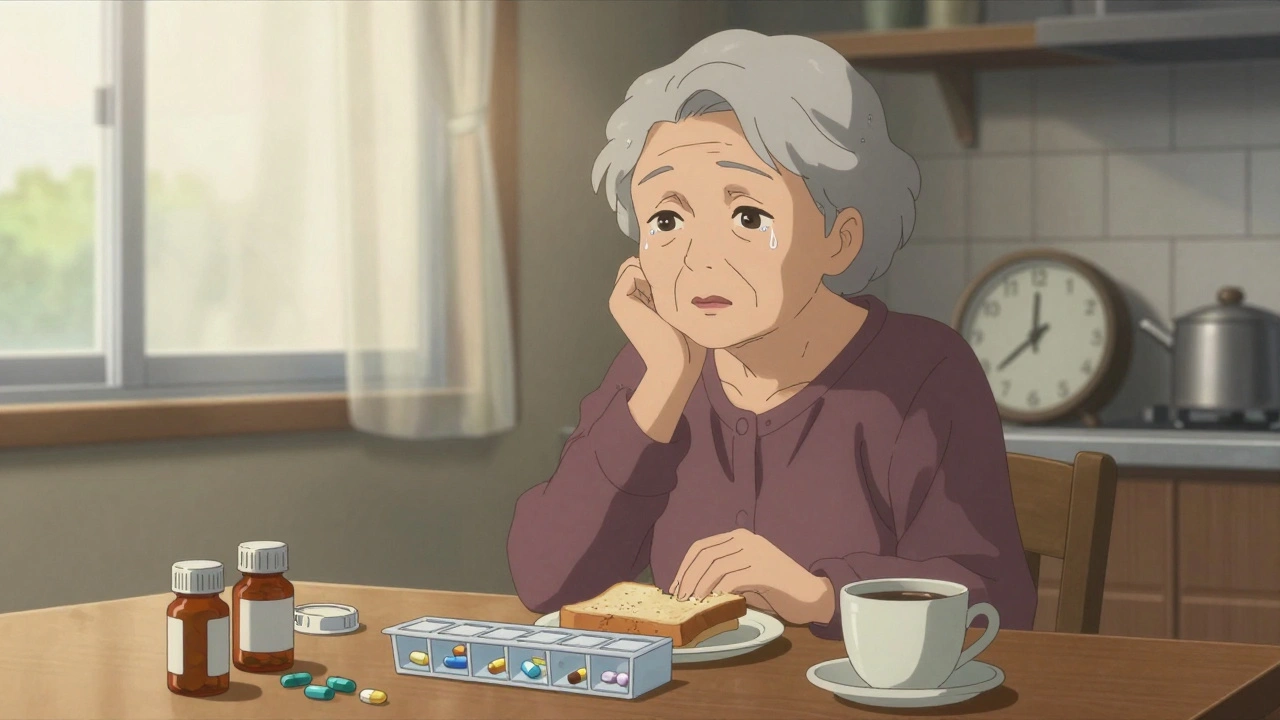
Skipping a pill here and there might seem harmless. Maybe you forgot. Maybe you felt fine. Maybe the cost was too high. But when you don’t take your medications exactly as your doctor ordered, the consequences aren’t just theoretical-they’re life-altering, and often deadly.
Every Missed Dose Adds Up
Medication adherence isn’t about being perfect. It’s about consistency. For most chronic conditions-high blood pressure, diabetes, asthma, depression, or after an organ transplant-doctors prescribe a specific dose, at specific times, for a reason. The science is clear: you need to take at least 80% of your prescribed doses to get real benefit. That means if you’re supposed to take a pill every day, you can’t skip more than about six days a month without risking serious harm.Studies show that nearly half of people taking long-term medications don’t follow their regimen. That’s not a small group. That’s millions of people across the U.S. and Europe. And it’s not because they’re careless. It’s because the system is broken. Cost, confusion, side effects, and lack of support make adherence harder than it should be.
Death Is a Real Risk
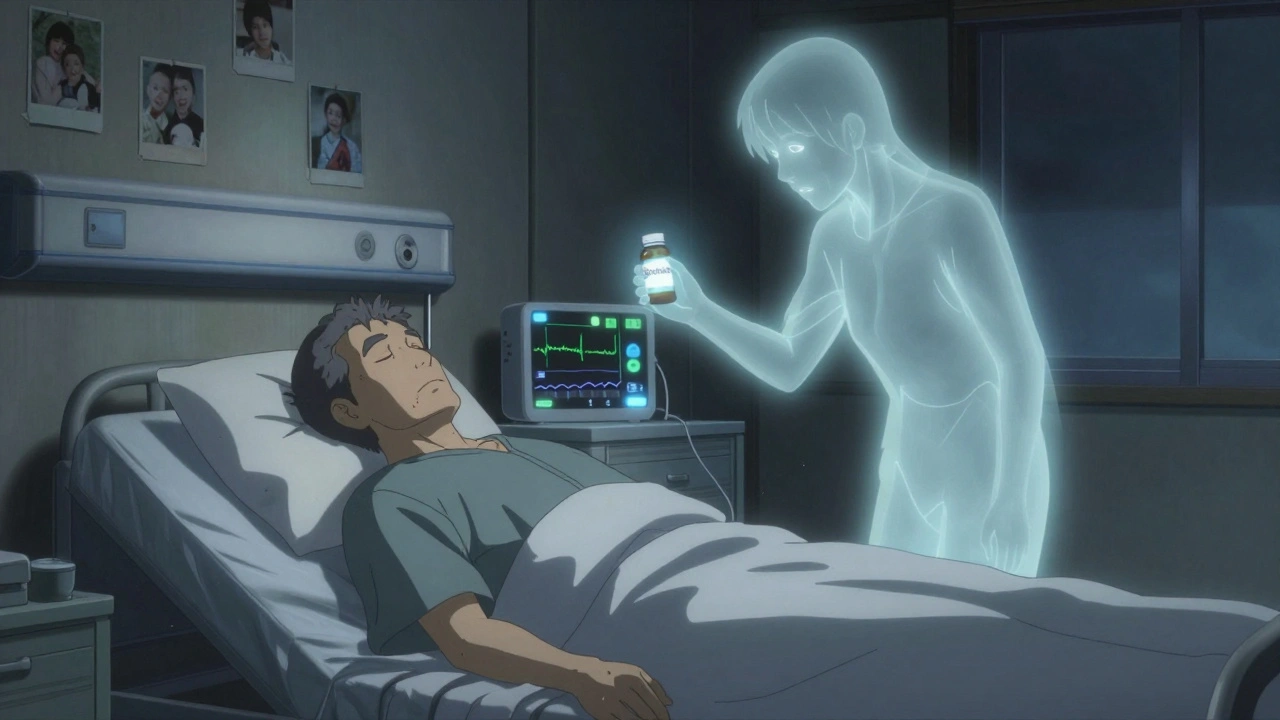
This isn’t just about feeling worse. This is about dying sooner.According to the World Health Organization, not taking medications as directed causes more deaths than any single disease. In the U.S. alone, an estimated 125,000 people die each year because they didn’t take their prescriptions properly. That’s more than traffic accidents. More than gun violence. More than HIV/AIDS.
For people over 50, the risk jumps. Nonadherence makes you 30 times more likely to die than to be killed in a homicide. In elderly populations, up to 100,000 preventable deaths happen annually because medications weren’t taken as prescribed. These aren’t abstract numbers. These are your neighbors, your parents, your friends.
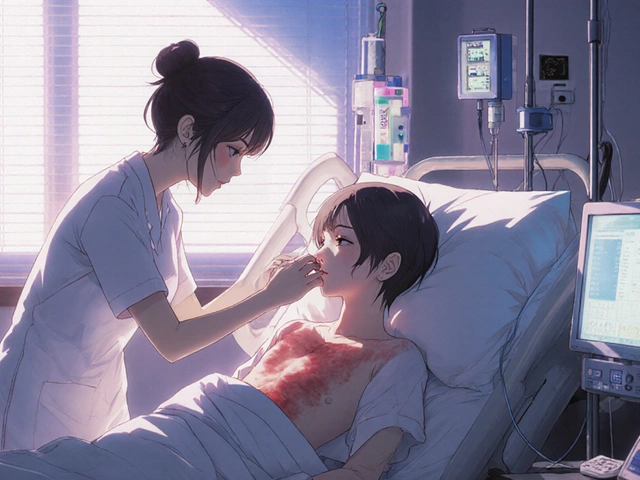
Organ transplant patients who skip anti-rejection drugs risk losing their new organ within weeks. Heart patients who skip blood pressure or cholesterol meds are far more likely to have a stroke or heart attack. Diabetics who miss insulin doses face diabetic ketoacidosis-a condition that can kill within hours if untreated.
Hospital Visits Are Often Preventable
One in five Medicare patients who get sent back to the hospital within 30 days of discharge are there because they didn’t take their meds. Half of those readmissions are directly tied to nonadherence.That’s not just a personal tragedy. It’s a financial disaster. Nonadherence contributes to 10-25% of all hospitalizations in the U.S. Each avoidable hospital stay costs thousands. The total annual bill? Between $100 billion and $300 billion. That’s money spent on treating problems that could have been prevented with a simple pill.
And it’s not just hospitals. Emergency rooms are packed with people who could’ve avoided their crisis if they’d taken their asthma inhaler, their blood thinner, or their antidepressant as directed.
Cost Isn’t the Only Barrier-But It’s the Biggest
You’d think doctors would know why people skip meds. But the truth is, many don’t ask. And when they do, the answer is often the same: “I can’t afford it.”In 2021, 8.2% of working-age adults in the U.S. admitted to not filling a prescription or skipping doses because of cost. That number has only grown since. Out-of-pocket drug costs rose 4.8% that year alone, hitting $63 billion. For someone on a fixed income, choosing between insulin and groceries isn’t a hypothetical-it’s daily reality.
But cost isn’t the only issue. Fear of side effects keeps people from taking meds. Some stop because they feel fine and think they no longer need the drug. Others get overwhelmed by complex regimens-five different pills at different times of day, each with different instructions. And for many, especially in minority communities, distrust in the medical system plays a role too.
Chronic Conditions Don’t Wait
The problem gets worse over time. Adherence starts high-right after a new diagnosis, when the scare is fresh. But within months, it drops. People forget. They get busy. They feel okay. They assume the medicine isn’t doing anything because they don’t feel any different.But here’s the catch: the medicine is working. It’s keeping your blood pressure down, your blood sugar stable, your inflammation low. You don’t feel the benefit because it’s preventing damage, not fixing it. By the time you feel symptoms again, the damage is already done.
For mental health conditions, nonadherence is even more dangerous. Nearly 60% of people with depression, bipolar disorder, or schizophrenia don’t take their meds consistently. That leads to relapses, emergency interventions, job loss, homelessness, and suicide. These aren’t just “mental” problems-they’re physical, social, and economic crises.
What Works? Real Solutions That Help
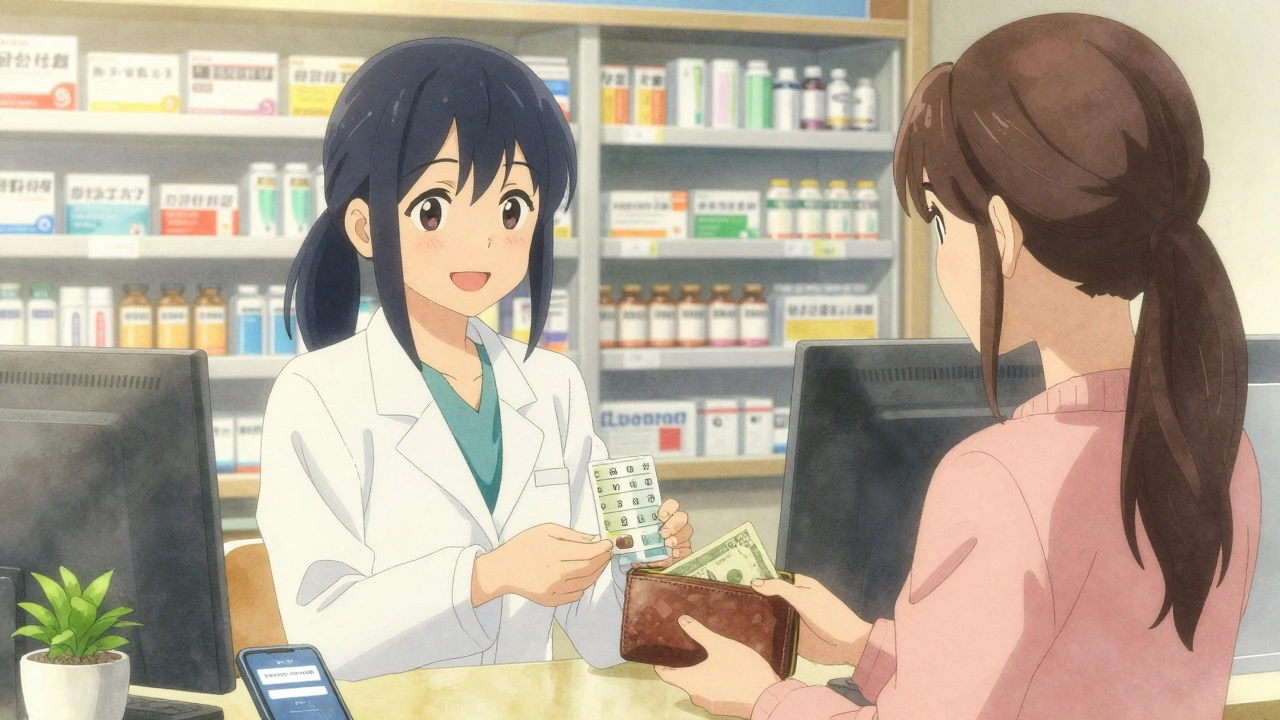
There’s good news: we know how to fix this. But fixing it takes action-from doctors, pharmacists, insurers, and patients.Simple tools make a big difference. Pill organizers, phone reminders, and text message alerts have been shown to improve adherence by 12-18%. Pharmacist-led programs that review all your meds, check for interactions, and help with cost-saving options have boosted adherence by 15-20%.
Some pharmacies now offer blister packs-single-dose packaging labeled by day and time. That cuts confusion. Some clinics offer medication therapy management (MTM), where a pharmacist sits down with you, reviews your entire regimen, and helps you understand why each pill matters. These services save money-$3 to $10 for every dollar spent-by preventing hospital stays.
But here’s the catch: most of these services aren’t covered by insurance. Pharmacies and clinics can’t afford to offer them unless they get paid. That’s why so few people have access to them.
What You Can Do Today
You don’t need a perfect system. You just need a plan.- Ask your doctor: “Can this be simplified?” Maybe you can switch from four pills a day to two. Maybe there’s a generic version.
- Ask your pharmacist: “Is there a patient assistance program?” Many drug companies help low-income patients get meds for free or cheap.
- Use a pill box: Buy one for $5 at any pharmacy. Fill it weekly. Set a daily alarm on your phone.
- Don’t stop because you feel fine: Your meds are working. Stopping them is like turning off the fire alarm after the smoke clears.
- Speak up: If you can’t afford your meds, say so. There are options. But no one will know unless you tell them.
It’s Not About Willpower
People who skip meds aren’t lazy. They’re not irresponsible. They’re caught in a system that makes adherence hard. The blame doesn’t belong on the patient. It belongs on a healthcare system that treats medication adherence as an afterthought.But you can still take control. Even small steps-like using a reminder app or asking for help with cost-can keep you out of the hospital, out of the emergency room, and alive.
Medications aren’t optional. They’re your lifeline. Skipping them isn’t a small mistake. It’s a gamble with your life. And the odds? They’re not in your favor.
What happens if I skip one dose of my medication?
Skipping one dose occasionally might not cause immediate harm, but it can reduce the effectiveness of your treatment over time. For some medications-like antibiotics, blood thinners, or antivirals-even one missed dose can lead to resistance, relapse, or dangerous spikes in symptoms. Consistency matters more than perfection, but consistency requires effort.
Can I stop my medication if I feel better?
No. Feeling better is often a sign the medication is working. Stopping too soon can cause your condition to return, sometimes worse than before. Conditions like high blood pressure, depression, and thyroid disorders often have no symptoms when controlled. That doesn’t mean you don’t need the drug anymore.
Why do so many people not take their medications as prescribed?
The top reasons are cost, side effects, confusion about how to take the meds, and not understanding why they’re necessary. Many people also feel embarrassed to tell their doctor they’re skipping doses. Others face barriers like transportation to the pharmacy, language differences, or distrust in the healthcare system.
Are there free or low-cost programs to help with medication costs?
Yes. Most major drug manufacturers offer patient assistance programs for low-income individuals. Pharmacies often have discount cards. Nonprofits and state programs also help. Ask your pharmacist-they’re trained to find these options. You don’t have to pay full price.
How can I remember to take my pills every day?
Use a pill organizer labeled by day and time. Set alarms on your phone. Link taking your meds to a daily habit-like brushing your teeth or eating breakfast. Some apps send reminders and track your adherence. Even a sticky note on your mirror can help. The key is making it automatic.
Is medication nonadherence more common in older adults?
Yes. Older adults often take multiple medications for several conditions, which increases confusion and risk of side effects. They’re also more likely to face mobility issues, memory problems, or financial strain. Up to 100,000 preventable deaths each year in the U.S. happen in this group because of missed doses.
Can my pharmacist help me with adherence?
Absolutely. Pharmacists can simplify your regimen, check for interactions, explain why each drug matters, and help you find cost-saving options. Many offer free medication reviews. Ask if your pharmacy has a Medication Therapy Management (MTM) program-it’s designed exactly for this.

Comments
Saurabh Tiwari
Man i've seen people skip their meds just because they felt fine 😅 but then boom, ER visit 3 months later. It's wild how your body doesn't tell you when damage is stacking up. The system is broken but we gotta keep pushing for better access.
Girish Padia
People just want handouts. If you can't afford meds, get a better job. This isn't a cry for sympathy, it's personal responsibility.
Kristen Yates
I took my blood pressure meds for 7 years straight. Never missed one. I don't feel like a hero. I just don't want to end up in a hospital bed because I was too proud to ask for help.
Fern Marder
My aunt skipped her diabetes meds because she thought they were making her dizzy. She had a stroke at 62. Now she can't walk. Don't play with your health. 💔
Anthony Breakspear
Here's the thing - if your pharmacy doesn't offer blister packs or MTM, find one that does. It's not rocket science. A $5 pillbox and a phone alarm changed my life. You don't need magic, you need momentum.
Victoria Graci
It's terrifying how we treat medication like a moral test instead of a medical necessity. We blame the patient for being 'noncompliant' while ignoring that the system is designed to make compliance nearly impossible for people living paycheck to paycheck. The real tragedy isn't the missed dose - it's that we've normalized this kind of neglect as just 'how things are.' We're not just failing people medically - we're failing them ethically.
Allan maniero
I've worked in community health for 18 years and I can tell you this: the people who struggle most with adherence are often the ones who trust their doctors the least. And why? Because they've been talked down to, ignored, or dismissed when they asked for help. If we want people to take their pills, we need to start listening to them - not just prescribing to them.
Carolyn Woodard
The pharmacoeconomic burden of nonadherence is staggering, yet our reimbursement models remain siloed and transactional. Without value-based incentives for pharmacist-led medication therapy management, structural barriers will persist. The data is unequivocal - MTM reduces hospitalizations by 22% and lowers total cost of care by 18% annually. Why aren't we scaling this?
Michael Campbell
They say 125,000 die yearly from skipped meds. But who's really to blame? The government lets drug prices skyrocket, then acts shocked when people can't pay. It's not laziness - it's corporate greed wrapped in a white coat.
Zoe Bray
While systemic reform is imperative, individual accountability remains a non-negotiable component of therapeutic success. The ethical obligation to adhere to evidence-based regimens cannot be outsourced to policy or pharmaceutical subsidies.
Saket Modi
Why are we even talking about this? Just make the meds free. Problem solved. 🤷♂️