
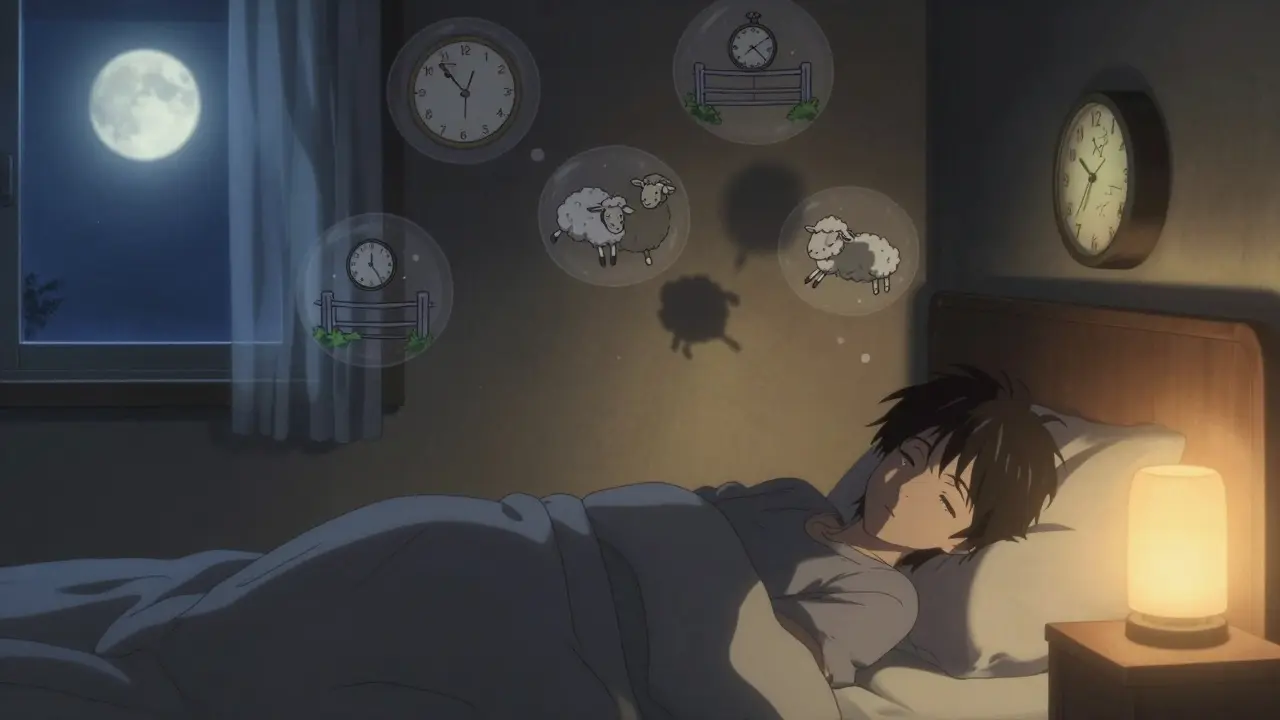
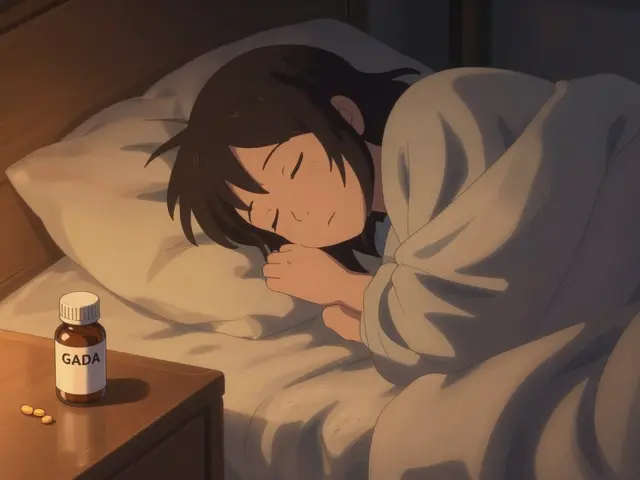
For years, you’ve lain in bed for hours, staring at the ceiling, counting sheep, checking the clock every five minutes. You’re exhausted, but your brain won’t shut off. You’ve tried melatonin, warm milk, white noise, even sleeping pills-but nothing sticks. The worst part? The moment you start feeling tired, you panic. You think, “I need to sleep now,” and the harder you try, the more awake you become. This isn’t just bad sleep. It’s a cycle. And it’s fixable-not with more pills, but with something counterintuitive: sleep restriction therapy.
What Is Sleep Restriction Therapy?
Sleep Restriction Therapy (SRT) is not about sleeping less because you’re tired. It’s about sleeping less on purpose-so you can sleep better. Developed by Dr. Arthur Spielman and now a core part of Cognitive Behavioral Therapy for Insomnia (CBT-I), SRT works by shrinking the time you spend in bed to match how much you’re actually sleeping. If you’re spending eight hours in bed but only getting five hours of real sleep, SRT says: “Stay in bed for five hours. No more.” At first, this sounds crazy. But it’s science. The idea is simple: when you spend too much time in bed awake, your brain starts associating your bed with frustration, not sleep. SRT breaks that link. By limiting your time in bed, you build up sleep pressure-the natural biological drive to sleep. That pressure makes it easier to fall asleep fast and stay asleep. Studies show people using SRT reduce the time it takes to fall asleep by up to 50%, and cut nighttime awakenings dramatically. The American Academy of Sleep Medicine and the American College of Physicians both list CBT-I-including SRT-as the first-line treatment for chronic insomnia. That’s because it works better than sleeping pills in the long run. Pills might help you nod off tonight, but they don’t fix the pattern. SRT rewires it.How It Works: The Step-by-Step Process
SRT isn’t guesswork. It’s a structured, data-driven program. Here’s how it actually works:- Track your sleep for 7 days. Use a sleep diary. Write down when you get into bed, when you fall asleep, when you wake up, and how many times you wake during the night. Don’t rely on your phone app or memory. Write it down. This gives you your real sleep average. If you slept 5 hours, 4 hours, 6 hours, 5.5 hours, 4.5 hours, 6 hours, and 5 hours over the week, your average is about 5.3 hours.
- Set your initial time-in-bed limit. Round down to the nearest half-hour. In this case, you’d start with 5 hours in bed. That means if you normally get into bed at 11 p.m., you’d now go to bed at 4:30 a.m. and get up at 9:30 a.m. No exceptions. Even if you’re tired. Even if it’s the weekend.
- Stick to a fixed wake time. This is non-negotiable. Wake up at the same time every day, no matter how little you slept. This anchors your body clock. Sleeping in on Sundays? That’s what keeps insomnia alive.
- Wait for sleep efficiency to improve. Sleep efficiency is the percentage of time you spend in bed actually sleeping. If you spent 5 hours in bed and slept 4.5 hours, your efficiency is 90%. Once you hit 85-90% for three nights in a row, you add 15 minutes to your time in bed. Next week, you’re in bed for 5 hours 15 minutes.
- Keep increasing until you reach 7-8 hours. Most people reach their ideal sleep time in 6 to 8 weeks. You don’t want to jump ahead. Slow, steady progress is what makes it stick.
Why It Works Better Than Sleeping Pills
Sleeping pills might help you fall asleep faster tonight. But tomorrow night? You’ll need the same dose. Or maybe more. And when you stop? The insomnia comes back-often worse. That’s rebound insomnia. A 2023 meta-analysis found that benzodiazepines only help 60-70% of people, and half of them relapse within months. SRT? It works for 54-60% of people, and the gains last. A 2023 study from Sleepstation.org.uk showed that 78% of people who completed SRT still had better sleep six months later. Compare that to 32% for people who used medication. Why? Because SRT doesn’t mask the problem-it fixes the system. And it’s not just about falling asleep faster. It’s about reducing those middle-of-the-night wake-ups. People using SRT report fewer awakenings, less time lying awake, and more deep sleep. One Reddit user, SleepSeeker89, wrote: “After three weeks of SRT, my sleep efficiency jumped from 68% to 89%. I fall asleep in 15 minutes now, not two hours.”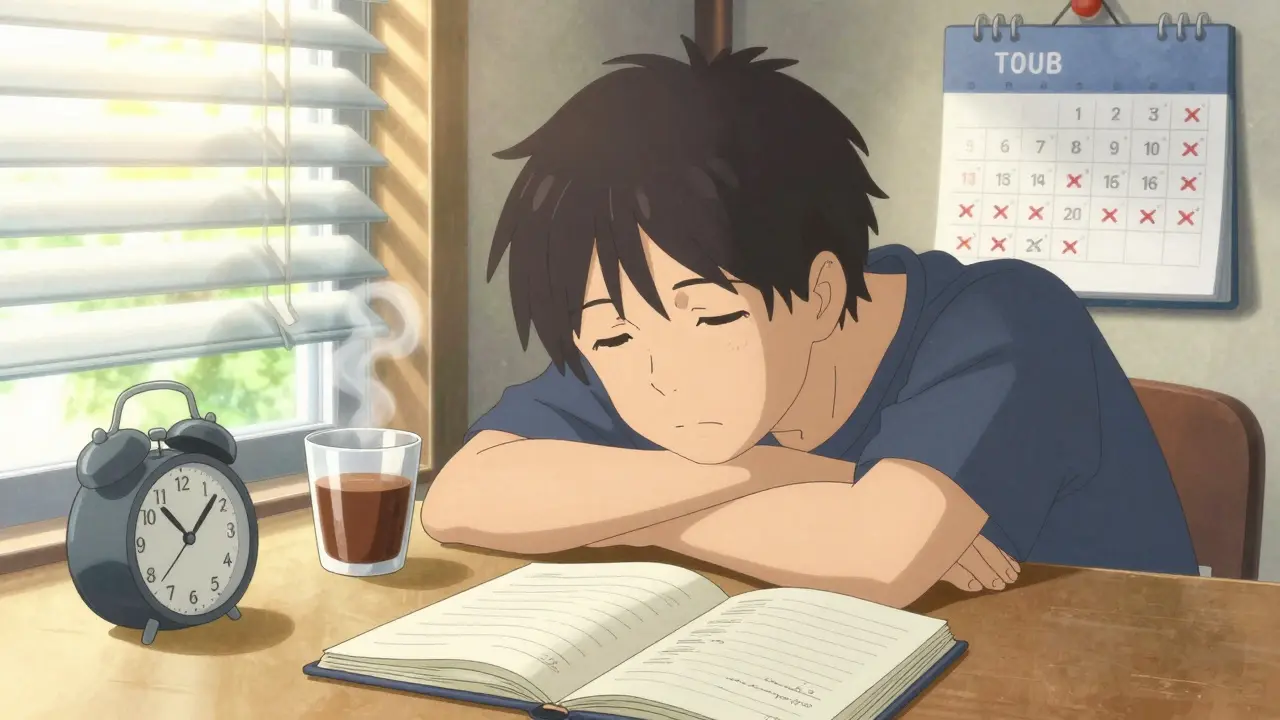
The Hard Part: Managing Daytime Fatigue
Let’s be honest-the first two weeks are tough. You’ll feel tired. Maybe even foggy. You might catch yourself nodding off at your desk. That’s not a sign you’re doing it wrong. It’s a sign you’re doing it right. But here’s the catch: napping kills SRT. Even a 20-minute nap can undo weeks of progress. Your body needs that sleep pressure to build up. If you nap, you’re releasing it. So no naps. No lying down during the day unless you’re resting with your eyes closed-no screens, no reading, no phone scrolling. Also, don’t try to “catch up” on weekends. If you wake up at 9:30 a.m. Monday through Friday, you wake up at 9:30 a.m. Saturday too. This is the most common reason people fail. They think, “I’ll make up for lost sleep this weekend.” That resets the clock. Literally. If daytime sleepiness is overwhelming, talk to your doctor. Some people use light therapy in the morning to help reset their circadian rhythm. Others find mild exercise-like a 20-minute walk-helps stay alert without interfering with nighttime sleep.Who Shouldn’t Try SRT?
SRT isn’t for everyone. If you have:- Severe depression or bipolar disorder
- Severe anxiety disorders without cognitive therapy support
- Shift work disorder
- Neurological conditions like Parkinson’s or Alzheimer’s
- Are pregnant or have a history of seizures
How to Get Started
You don’t need a therapist to start SRT-but having one increases your success rate. A CBT-I-certified clinician can help you track your data, adjust your schedule, and troubleshoot setbacks. In the U.S., there are about 1,200 certified providers. In the UK, the NHS offers some CBT-I programs through IAPT services, though waitlists can be long. If you can’t see a therapist, digital tools are a solid alternative. Apps like Sleepio and CBT-i Coach (developed by the VA) guide you through SRT step-by-step. A 2023 VA study found 72% of users were satisfied. Somryst, an FDA-cleared app approved in October 2023, delivers full CBT-I-including SRT-with 64% efficacy in clinical trials. The cost? In-person CBT-I can run $300-$2,500. Digital programs cost $50-$300. Many employers now cover them as part of mental health benefits. If you’re in the UK, ask your GP about NHS referrals for CBT-I. Some local mental health trusts offer free or low-cost programs.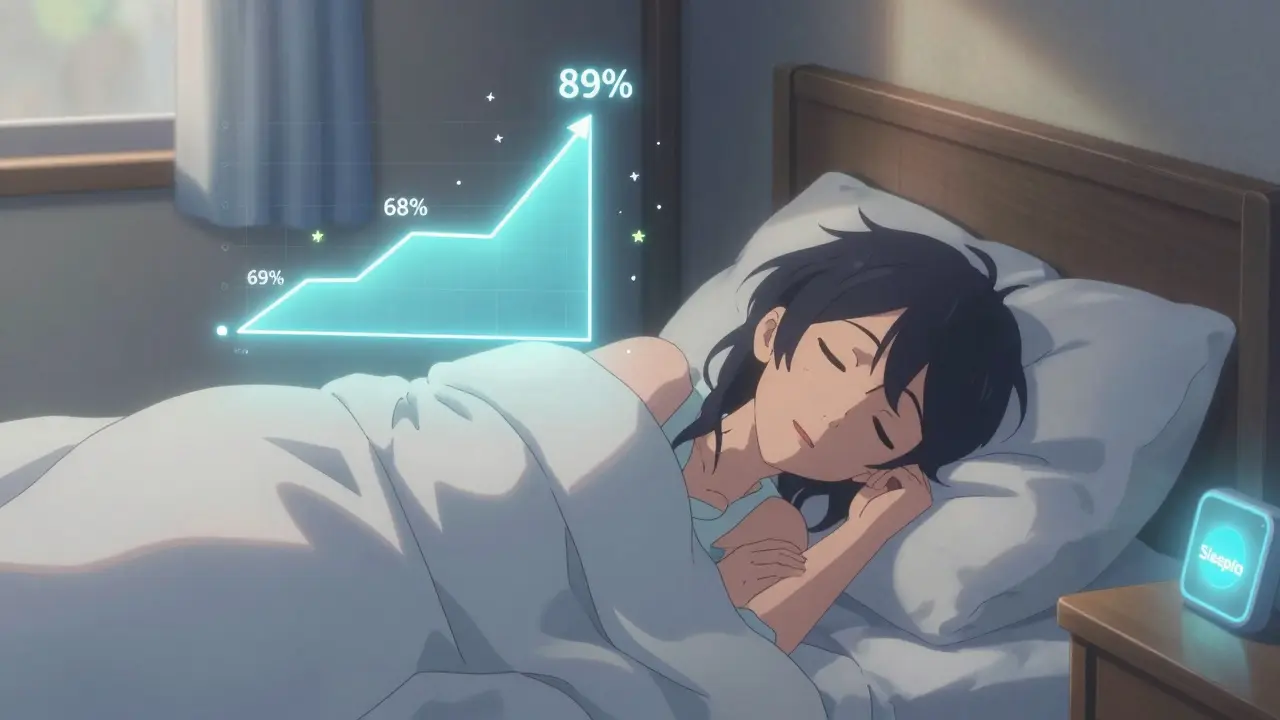
What to Expect After 30 Days
By day 30, most people report:- Falling asleep in under 20 minutes (instead of 1-2 hours)
- Waking up less than once per night
- Feeling more alert during the day
- Not checking the clock anymore
- Not dreading bedtime
Long-Term Success: Why SRT Lasts
The real power of SRT isn’t in the first month. It’s in the months after. Unlike drugs, which wear off, SRT teaches your body how to sleep again. A 2023 review in the Journal of Clinical Sleep Medicine called it “the most durable insomnia treatment available.” Why? Because you’re not relying on chemicals. You’re rebuilding a habit. Your brain learns: “Bed = sleep.” Not stress. Not worry. Not scrolling. Just sleep. And the evidence backs it up. At 12 months, 68% of people who completed SRT still had improved sleep. Only 29% of medication users did. This isn’t a quick fix. It’s a long-term reset. And if you stick with it, you won’t just sleep better-you’ll stop fearing sleep forever.Final Thoughts: It’s Not Easy, But It’s Worth It
Sleep Restriction Therapy isn’t glamorous. There’s no pill to pop. No app that magically turns off your brain. It demands discipline. It asks you to be uncomfortable for a few weeks to feel normal again for the rest of your life. But if you’ve tried everything else and still can’t sleep, this might be the only thing left that actually works. The science is clear. The results are real. And the people who stick with it? They never go back. Start with a sleep diary. Track your nights. Calculate your average. Then, make the hard choice: spend less time in bed. Not because you want to, but because you need to. Your brain is waiting for the signal. Give it the right one.Can I do Sleep Restriction Therapy on my own?
Yes, many people successfully complete SRT using digital tools like Sleepio or CBT-i Coach. However, working with a CBT-I-certified therapist improves success rates, especially if you have anxiety, depression, or shift work. Professional guidance helps you adjust your schedule safely and avoid common mistakes like napping or inconsistent wake times.
How long does Sleep Restriction Therapy take to work?
Most people notice improvements within 2-3 weeks. Sleep efficiency typically starts rising after the first week. Full results-like falling asleep quickly and staying asleep-usually appear by week 6-8. The key is consistency. Skipping days or extending bed time on weekends delays progress.
Will I be exhausted all the time during SRT?
You’ll feel tired in the first 1-2 weeks-that’s normal. But this isn’t chronic exhaustion. It’s temporary sleep pressure building up. Most people report feeling more alert by week 3, even though they’re sleeping fewer hours. Avoid naps, get morning sunlight, and stay active during the day to manage fatigue.
Is SRT safe for older adults?
Yes. A 2019 study found SRT improved sleep efficiency by 22.7% in postmenopausal women with insomnia-outperforming sleep medication. Older adults often respond even better because their sleep architecture naturally changes with age. The key is adjusting the schedule gradually and monitoring for safety, especially if they have mobility issues or take other medications.
Can I use SRT with other insomnia treatments?
SRT works best when paired with Stimulus Control Therapy (SCT)-which means only using your bed for sleep and sex, no reading or watching TV in bed. Sleep hygiene (like avoiding caffeine) helps too, but it’s not enough on its own. Cognitive therapy is recommended if you have anxiety about sleep. Don’t combine SRT with sleeping pills unless under medical supervision.
What if I don’t improve after 8 weeks?
If sleep efficiency hasn’t reached 85% after 8 weeks, you may need to adjust your approach. Check your sleep diary for inaccuracies. Did you nap? Did you extend your time in bed? Were your wake times inconsistent? If everything was followed correctly, consult a CBT-I specialist. You might need additional cognitive therapy or to rule out other sleep disorders like sleep apnea.
Does insurance cover Sleep Restriction Therapy?
In the UK, NHS referrals for CBT-I are available but limited. In the US, coverage varies by insurer. Some plans cover digital CBT-I apps like Somryst or Sleepio. Check with your provider or employer-many large companies now include CBT-I in wellness programs. Out-of-pocket digital programs cost $50-$300, which is often less than a few months of sleep medication.


Comments
mukesh matav
I tried this last year after months of tossing and turning. First week was brutal-felt like a zombie. But by week three, I started falling asleep before my head hit the pillow. No pills. No fancy gadgets. Just discipline. I still wake up at 6:30 a.m. every day, even on weekends. Best decision I ever made.
Peggy Adams
this is just the government's way of making us sleep less so we work more. they don't want us rested, they want us productive. wake up at the same time? yeah right. what's next, mandatory sunrise alarms?
Sarah Williams
I was skeptical but did it for 6 weeks. My sleep efficiency went from 62% to 91%. I don't even look at the clock anymore. If you're tired of hating bedtime, this works. Just don't nap. Seriously. Don't.
Jay lawch
You know what this really is? A western capitalist tool disguised as therapy. In India, we sleep when the body demands it-not according to some algorithm. Our ancestors didn't need sleep diaries or fixed wake times. They slept with the rhythm of the earth. Now we've been conditioned to fear rest. This isn't healing. It's colonization of the circadian rhythm.
Christina Weber
There are multiple grammatical errors in the original post-'you're spending eight hours in bed but only getting five hours of real sleep' should be 'you are spending' for formal consistency. Also, 'no exceptions' is not a clinical term. Please cite peer-reviewed sources, not Reddit anecdotes. Sleepio is not FDA-approved-it's cleared under 510(k). Precision matters.
Erika Putri Aldana
so you're telling me i have to stay awake until 4:30am just to sleep better? lol. i'm not that desperate. also, who the hell has the energy to not nap? i'm a mom. i nap when the baby naps. your 'science' is just torture with a fancy name. 😑
Grace Rehman
the real magic trick? not being afraid of being tired. we've been sold this lie that rest is a reward. it's not. it's a biological necessity. and if you can't handle being exhausted for two weeks to get your life back... maybe you're not ready to sleep. or maybe you just like the drama of insomnia. 🤷♀️
Siobhan K.
I'm a sleep nurse in Dublin and I've seen this work more times than I can count. The biggest mistake people make? They think 'I'll make up for it on the weekend.' No. You don't. The body doesn't work like a bank account. Consistency isn't boring-it's the only thing that actually fixes this. And yes, it's hard. But so is living with insomnia for 10 years.
Brian Furnell
I'm curious-has anyone here tracked their sleep architecture via polysomnography pre- and post-SRT? I'm asking because sleep efficiency is a proxy metric, but without REM latency, slow-wave sleep percentage, and arousal index data, we're inferring outcomes from behavioral proxies. Also, the 85% threshold is from Spielman's 1987 paper-has it been validated with modern actigraphy cohorts? I'd love to see longitudinal data.
Southern NH Pagan Pride
this is just the illuminati’s way of controlling our dreams. they don’t want us accessing the subconscious. that’s why they push ‘fixed wake times’-to keep us locked in linear time. also, the app ‘somryst’? sounds like a coded NSA program. i’ve seen the ads. they’re too clean. too perfect. beware the algorithm. your sleep is not your own.