

Not all medications work the same way - and not all of them come with the same risks. Whether you're taking a prescription pill, an over-the-counter pain reliever, or a herbal supplement, each class of medicine carries its own set of possible side effects. Some are mild, like a dry mouth or upset stomach. Others can be serious - even life-threatening - especially when you don't know what you're mixing together.
Prescription Drugs: Consistent, But Not Always Safe
Prescription medications are the most tightly controlled. The FDA requires rigorous testing before they hit the market. That means you know what’s in them, how much, and how they’re absorbed. But even with all that oversight, side effects still happen.Take antibiotics, for example. About 5% of people who take them develop a skin rash. That might sound low, but with millions of prescriptions written every year, that’s still tens of thousands of reactions. And it’s not just allergies. Some antibiotics mess with your gut bacteria, leading to diarrhea or yeast infections. Others can cause nerve damage or tendon rupture.
Then there are drugs with a narrow therapeutic index - meaning the difference between a helpful dose and a dangerous one is tiny. Levothyroxine (for thyroid issues) and warfarin (a blood thinner) fall into this category. Even a small change in how your body absorbs the drug can throw your levels off. That’s why switching from a brand-name version to a generic - or even between two different generic brands - can sometimes cause problems. One study found patients on antiepileptic drugs had more seizures and needed more doctor visits after switching generics.
Here’s the thing: generics are usually just as effective. Research on over 800 patients showed no meaningful difference in outcomes between brand-name and generic versions of blood pressure meds, cholesterol drugs, and antidepressants. But that doesn’t mean they’re identical. The active ingredient is the same, but the fillers - lactose, dyes, preservatives - can differ. If you’re lactose intolerant, a generic version of your pill might give you bloating and cramps. Same goes for people allergic to aspartame, sulfites, or soy lecithin. Always check the inactive ingredients on the label.
Over-the-Counter (OTC) Drugs: Easy to Get, Harder to Understand
You don’t need a prescription for ibuprofen, acetaminophen, or allergy pills. That makes them convenient. But it also makes people think they’re harmless.Take acetaminophen. It’s in hundreds of products - cold medicines, sleep aids, pain relievers. Take too much, or take it with alcohol, and you can cause serious liver damage. People don’t realize they’re doubling up. One pill for headaches, another for a stuffy nose - both contain acetaminophen. That’s how overdoses happen.
NSAIDs like ibuprofen and naproxen are no better. Long-term use can lead to stomach ulcers, kidney damage, or increased risk of heart attack. And they don’t warn you on the bottle: if you’re on blood pressure meds, NSAIDs can make them less effective. If you’re on a diuretic, they can make your kidneys work harder. The side effects aren’t always obvious until it’s too late.
Even antihistamines like diphenhydramine (Benadryl) have hidden risks. They cause drowsiness, dry mouth, blurred vision - and for older adults, that can mean falls, confusion, or even memory problems. Yet millions take them nightly for sleep. They’re not designed for long-term use. The body gets used to them. And the side effects get worse over time.
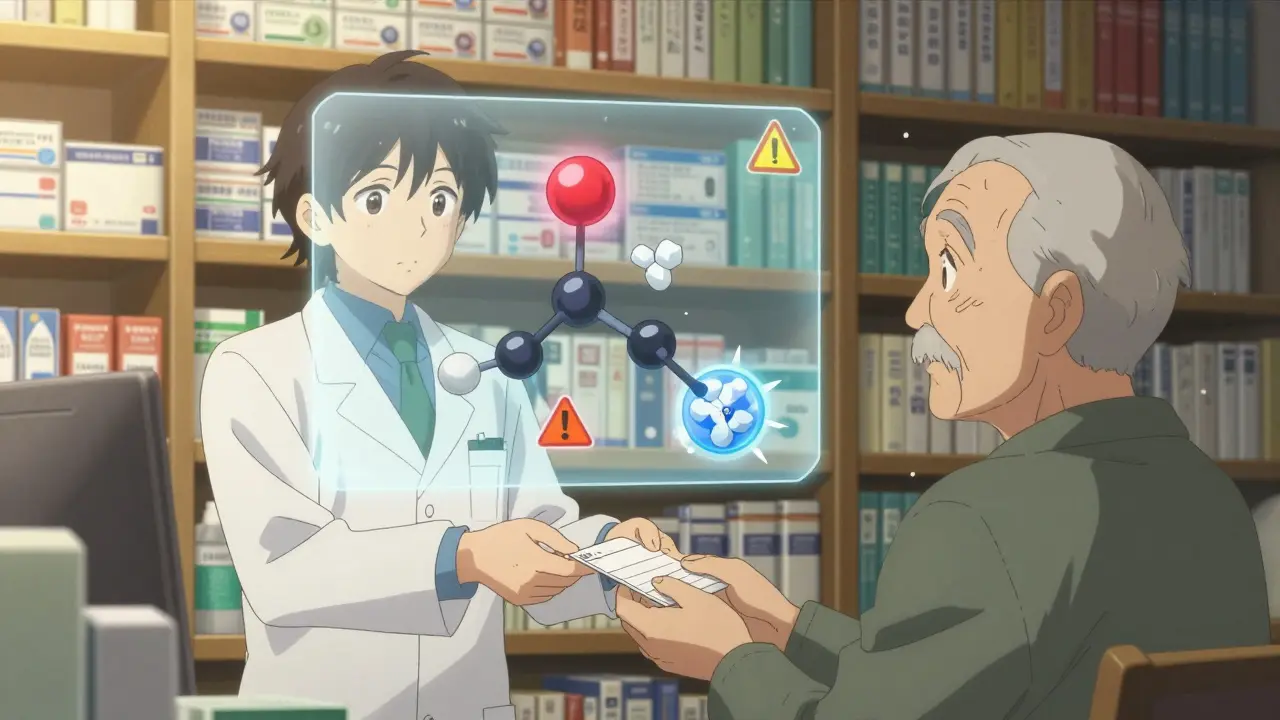
Herbal Supplements and Complementary Medicines: The Wild West
This is where things get messy. Echinacea, ginkgo, St. John’s Wort, feverfew - these aren’t regulated like drugs. The FDA doesn’t test them for safety or effectiveness before they’re sold. That means what’s on the label isn’t always what’s in the bottle.Echinacea, often taken for colds, has been linked to over 20 different reactions: asthma attacks, hives, muscle aches, stomach pain. It can also interfere with liver enzymes, making other medications - like antidepressants or cholesterol drugs - build up to dangerous levels in your blood.
St. John’s Wort is even riskier. It’s marketed as a natural antidepressant. But it can trigger serotonin syndrome - a potentially fatal condition - when mixed with SSRIs like fluoxetine or sertraline. Symptoms? Tremors, sweating, high fever, fast heartbeat, confusion. One case report described a patient who ended up in the ICU after combining St. John’s Wort with his prescribed antidepressant.
Feverfew is used for migraines. But in pregnant women, it’s been shown in animal studies to cause uterine contractions - a red flag for miscarriage. Ginkgo increases bleeding risk. So does chamomile. If you’re on warfarin, aspirin, or even a daily baby aspirin, taking these together can lead to uncontrolled bleeding - inside your brain, your stomach, your eyes.
And don’t assume “natural” means safe. Poison ivy is natural. Belladonna is natural. Both can kill you. Herbal supplements aren’t tested the way drugs are. There’s no guarantee of purity, potency, or consistency. A batch from one company might be fine. The next batch, from the same brand, might be contaminated or too strong.
Why Switching Between Brands and Generics Can Backfire
Many people assume brand-name and generic drugs are interchangeable. For most medications, they are. But not for all.Narrow therapeutic index (NTI) drugs are the exception. These include:
- Levothyroxine (Synthroid, Tirosint)
- Warfarin (Coumadin)
- Phenytoin (Dilantin)
- Lithium
- Cyclosporine
For these, even a 5% change in absorption can mean the difference between control and crisis. A patient on levothyroxine might feel fine on one generic. Switch to another - even if it’s labeled the same - and suddenly they’re fatigued, gaining weight, or depressed. Their TSH levels spike. They need a new dose. Their doctor has to retest. It’s a cycle that can go on for months.
That’s why pharmacists often recommend sticking with the same manufacturer. If your generic comes from Company A and works, don’t switch to Company B unless your doctor says it’s safe. Insurance companies may push you to switch to save money. But for NTI drugs, that savings isn’t worth the risk.
And yes - it happens. One study found that switching from Celexa to generic citalopram caused worsened depression symptoms in a small but noticeable number of patients. No one knows why. Maybe it’s the fillers. Maybe it’s how the drug dissolves. But the result? More anxiety, more doctor visits, more cost.

What You Should Do - Practical Steps
You don’t need to avoid all meds. But you do need to be smart about them.- Know your ingredients. Read the label. Look for lactose, aspartame, soy, dyes, sulfites. If you’re allergic or intolerant, ask your pharmacist for a version without them.
- Don’t assume natural = safe. Herbal supplements can interact with your meds. Tell your doctor what you’re taking - even if you think it’s harmless.
- Track your symptoms. When you start a new drug or switch versions, write down how you feel. Headaches? Mood changes? Sleep issues? Digestion? Bring it to your next appointment.
- Ask before you switch. If your insurance pushes you to a cheaper generic, ask: “Is this safe for my condition?” Especially if you’re on an NTI drug.
- Keep one pharmacy. They can flag dangerous interactions. If you use multiple pharmacies, they can’t see your full list of meds.
- Avoid alcohol with meds. It doesn’t just make you sleepy. With antibiotics, it can cause nausea and flushing. With painkillers, it can wreck your liver. With sedatives, it can stop your breathing.
The bottom line: every medicine - whether it’s prescribed, bought off the shelf, or pulled from a health food store - has a risk. The key isn’t avoiding all of them. It’s knowing which ones to watch closely, and when to speak up.
When to Call Your Doctor
Not every side effect is an emergency. But some are. Call your doctor right away if you experience:- Sudden rash, swelling, or trouble breathing
- Unexplained bruising or bleeding
- Severe dizziness, confusion, or memory loss
- Heart palpitations or chest pain
- Yellowing of skin or eyes
- Severe stomach pain or vomiting
And if you’ve switched medications and feel worse - even if it’s been a week - don’t wait. Go back. Your body is telling you something.
Are generic drugs really the same as brand-name drugs?
For most medications, yes. The FDA requires generics to have the same active ingredient, strength, and absorption rate as the brand-name version. But the inactive ingredients - like fillers and dyes - can differ. These don’t affect how the drug works for most people, but they can cause reactions in those with allergies or intolerances. For drugs with a narrow therapeutic index - like levothyroxine or warfarin - even small differences can matter, so sticking with the same manufacturer is often safer.
Can herbal supplements really interact with prescription drugs?
Absolutely. St. John’s Wort can cause serotonin syndrome when taken with antidepressants. Ginkgo and chamomile can increase bleeding risk with blood thinners like warfarin. Echinacea can interfere with liver enzymes, making other drugs build up to toxic levels. Unlike prescription drugs, supplements aren’t tested for interactions before sale. Always tell your doctor what herbs or supplements you’re taking - even if you think they’re harmless.
Why do some people have worse side effects after switching to a generic?
It’s usually not the active ingredient - it’s the fillers. Some people react to lactose, soy, or dyes in the generic version. For drugs with a narrow therapeutic index - like antiseizure meds or thyroid hormones - even slight differences in how the body absorbs the drug can cause symptoms to return or worsen. If you feel worse after switching, don’t assume it’s all in your head. Talk to your doctor and pharmacist.
Is it safe to take OTC painkillers every day?
No. Long-term use of NSAIDs like ibuprofen or naproxen can lead to stomach ulcers, kidney damage, and increased heart attack risk. Acetaminophen, while gentler on the stomach, can cause liver failure if taken in excess - especially with alcohol. These drugs are meant for short-term relief, not daily maintenance. If you need pain relief every day, see a doctor to find the root cause instead of masking it.
Should I avoid all supplements if I’m on medication?
Not necessarily. But you should assume every supplement has the potential to interact. Ask your pharmacist or doctor before starting any new one. Keep a list of everything you take - including vitamins, herbs, and teas. Many people don’t realize that green tea, for example, can reduce the effectiveness of certain blood pressure medications. Transparency is your best protection.
Medications are powerful tools. But they’re not harmless. Whether you’re on a daily pill or popping a capsule of echinacea, your body reacts - sometimes in ways you don’t expect. The goal isn’t to fear medicine. It’s to understand it. Know what you’re taking. Know why. And never stop asking questions.


Comments
Sophia Daniels
Oh my GOD, I just realized I’ve been taking generic levothyroxine from three different companies this year. No wonder I’ve been feeling like a zombie who forgot how to exist. My TSH was all over the place, and my doctor just said ‘it’s fine.’ NO IT’S NOT FINE. I’m now on Tirosint and my brain finally stopped sounding like a broken radio. If you’re on NTI meds, DON’T let your insurance switch you. Your life isn’t a cost-cutting spreadsheet.
Brittany Fuhs
It is rather concerning, isn't it, how the commodification of pharmaceuticals has eroded the integrity of patient care? The FDA's oversight, while ostensibly robust, fails to account for bioequivalence nuances in fillers - particularly in those with rare intolerances. One must wonder whether profit motives have superseded scientific rigor in the generic drug paradigm.
sakshi nagpal
This is such an important post. In India, people buy herbal supplements from street vendors without knowing what’s inside. I had a cousin who took ashwagandha with her blood pressure meds and ended up in the ER. We need more awareness - not just in the US, but globally. Doctors should be required to ask about supplements during every visit, not just when you mention it.
Sandeep Jain
bro i used to take benadryl every night to sleep and now i cant even fall asleep without it… like its not even helping anymore but i still do it. why do we do this to ourselves?
roger dalomba
So let me get this straight. You’re telling me that the only thing keeping me alive is a pill made by a company that might’ve swapped my lactose for soy in 2022? And I’m supposed to trust this?
Nikki Brown
ST. JOHN’S WORT?! 😱 You’re telling me people are just popping this like it’s gummy vitamins?! I swear, if I see one more person on Reddit saying ‘natural antidepressant’ I’m going to scream. That stuff is a chemical grenade in your brain. 🚨
Peter sullen
It is imperative, from a pharmacoeconomic and clinical outcomes perspective, that healthcare providers engage in patient-centered medication reconciliation - particularly with regard to narrow therapeutic index (NTI) agents - to mitigate the risk of subtherapeutic or toxic serum concentrations resulting from formulation variability.
Steven Destiny
People who think herbal supplements are ‘safe’ because they’re ‘natural’ are literally one step away from eating poison ivy and calling it a detox. This isn’t a yoga retreat - it’s your liver we’re talking about. Stop being dumb.
Fabio Raphael
I had a friend who switched generics for her seizure meds and started having daily episodes. She didn’t tell anyone for months because she thought it was ‘just stress.’ By the time she went back, her doctor had to adjust everything. I wish more people knew how fragile these balances are.
Amy Lesleighter (Wales)
read the label. not the hype. if you’re allergic to soy and your pill has soy lecithin? it’s not a coincidence. your body isn’t lying. just because it’s cheap doesn’t mean it’s right.
Becky Baker
Ugh I hate when my insurance switches my meds. Like bro I don’t care if it’s ‘the same’ - my body knows the difference. I’m just gonna pay out of pocket now. My mental health isn’t a bargaining chip.
Rajni Jain
i used to take ginkgo because my friend said it helps memory… then i found out it was making my periods heavier. i stopped. no more ‘natural’ stuff without asking my doctor first. you’re not a guinea pig.
Natasha Sandra
OMG I just realized my “sleep aid” has diphenhydramine 😳 I’ve been taking it for 3 years… I’m gonna throw it out tonight. 🙏 I didn’t know it was making me foggy all day. Thanks for the wake-up call!! 💪
Erwin Asilom
There is merit in the argument that consistent pharmaceutical sourcing, particularly for medications with narrow therapeutic indices, significantly reduces the incidence of iatrogenic complications. A single pharmacy, with full medication history access, provides an essential safety net. This is not merely a recommendation - it is a clinical imperative.