Switching Between Generic Medications: What You Need to Know
Jan 6 2026

When your body doesn’t get enough vitamin D, a fat-soluble nutrient critical for bone health, immune function, and mood regulation. Also known as calciferol, it’s not just something you get from the sun—it’s a hormone your body makes when skin is exposed to UVB rays, and it plays a role in how you absorb calcium, the main mineral in bones and teeth. Without enough vitamin D, your body can’t hold onto calcium properly, which leads to weak bones, muscle pain, and even fatigue.
Many people don’t realize they’re deficient because the symptoms are quiet at first—maybe you’re always tired, get sick often, or feel down in the winter. It’s not just about not going outside. People with darker skin, older adults, those who live far from the equator, and people with conditions like celiac disease, a digestive disorder that damages the small intestine and blocks nutrient absorption are at higher risk. Even if you take a multivitamin, it might not be enough. Studies show that many adults need more than the official daily recommendation to reach healthy levels.
Fixing a deficiency isn’t just about popping a pill. It’s about understanding how your body uses vitamin D, what blocks it, and how to rebuild your levels safely. Sunlight helps, but sunscreen, clothing, and indoor lifestyles make that unreliable. Food sources like fatty fish, egg yolks, and fortified milk don’t give you enough on their own. That’s why most people need a supplement—but not just any kind. The right type (D3, not D2), the right dose, and consistent timing matter. And if you’ve got another condition like kidney disease or obesity, your needs change. This collection of posts dives into how vitamin D deficiency connects to other health issues—like nutrient absorption problems, medication side effects, and even immune responses. You’ll find real advice on testing, dosing, and what to watch for when you’re trying to get your levels back up.
What you’ll see below aren’t generic tips. These are stories from people who’ve been there—how celiac disease stole their vitamin D, how skipping meds led to worse deficiency, and how even common drugs can interfere with how your body uses it. There’s no fluff. Just what works, what doesn’t, and how to take control before it affects your bones, your energy, or your mood.
Dec
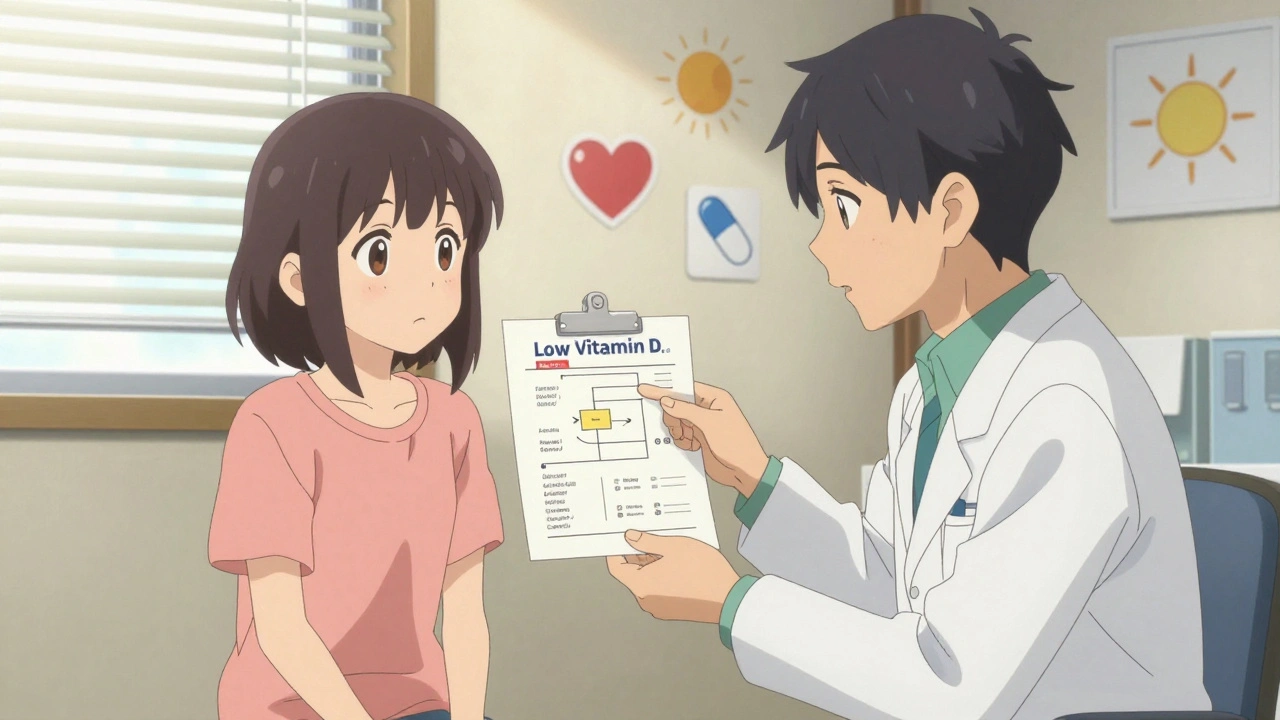
Does vitamin D help you tolerate statins? Evidence is mixed. Some studies say yes, the largest trial says no. Here’s what actually works for statin muscle pain and how to decide what to do next.
Jan 6 2026
Nov 23 2025

Nov 17 2025

Oct 3 2025

Mar 4 2025