Diuretics and Hypokalemia in Heart Failure Patients: Practical Management Tips
Dec 7 2025

When you pick up a generic medication, a drug that contains the same active ingredient as a brand-name version but is sold under its chemical name. Also known as non-brand drugs, they’re not cheaper because they’re weaker—they’re cheaper because they don’t carry the marketing and patent costs. The FDA requires them to work the same way, in the same amount, and with the same quality as the original. But safety isn’t just about chemistry—it’s about how they’re handled, labeled, and mixed with other drugs you’re taking.
One of the biggest misunderstandings is that all generics are the same. They’re not. A therapeutic equivalence, a rating given by the FDA to show that two drugs are clinically interchangeable. Also known as TE codes, it tells pharmacists which generics can be swapped without risk matters. Some drugs, like thyroid meds or blood thinners, need very precise dosing. Even small differences in fillers or absorption rates can cause problems. That’s why your doctor might insist on sticking with one brand or generic. And if you switch between manufacturers, you might notice changes in how you feel—fatigue, dizziness, or even worse side effects—because the inactive ingredients vary.
Then there’s the issue of drug interactions, when one medication affects how another works in your body. Also known as medication clashes, they’re the silent danger behind many hospital visits. A generic version of a blood pressure pill might interact with your OTC painkiller or supplement in a way the brand-name version didn’t—because the fillers changed how fast it was absorbed. And if you’re on multiple meds, especially as you get older, the risk grows. Polypharmacy isn’t just about taking too many pills—it’s about not knowing how they play together. Generic drugs make up over 90% of prescriptions in the U.S., but that doesn’t mean they’re all safe in every combination.
Side effects don’t magically disappear just because the label says "generic." The same nausea, drowsiness, or rash that comes with the brand name shows up with the copycat version. But here’s the twist: sometimes people blame the generic when the real issue is a new health condition, a change in diet, or even stress. That’s why knowing how to track your symptoms matters more than the pill’s name. And if you think you’re allergic to a drug, you might be wrong—most people who say they’re allergic to penicillin or sulfa drugs aren’t. Mislabeling leads to worse, costlier alternatives.
There’s also the hidden layer: packaging and labeling. Authorized generics look just like the brand—same shape, same color, same imprint. But others? They might be labeled differently, or worse, come from unverified sources. The NDC code on the bottle tells you exactly who made it and where. If you don’t know how to read it, you’re flying blind. And pharmacy systems? They rely on codes too. A single mix-up can land you the wrong drug, even if it’s "just a generic."
What you’ll find below aren’t just articles about pills. They’re real stories from people who learned the hard way—how to spot a dangerous interaction, how to ask your pharmacist the right questions, how to tell if your generic is truly safe for your body, and when to push back if something feels off. Whether you’re on a cholesterol drug, a diabetes med, or just taking daily pain relief, this collection gives you the tools to protect yourself—not just save money.
Nov
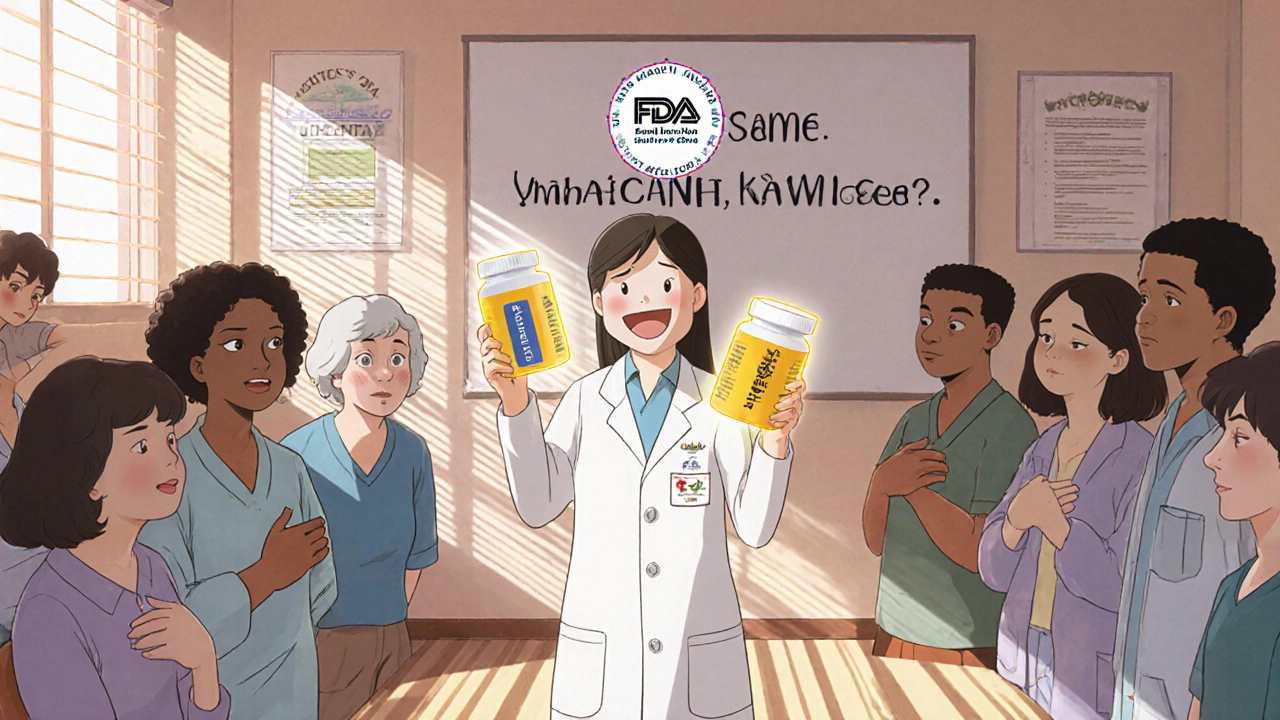
Learn how public education on generic drugs is helping patients save money without sacrificing safety. Discover the facts behind generic medication equivalence and how community health programs are closing the knowledge gap.
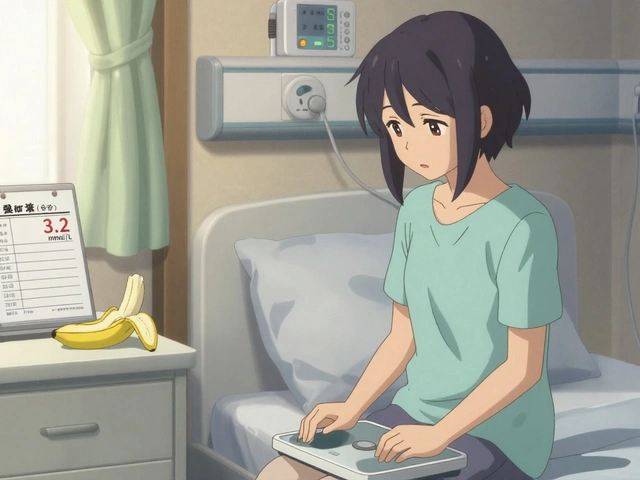
Dec 7 2025
Oct 14 2025
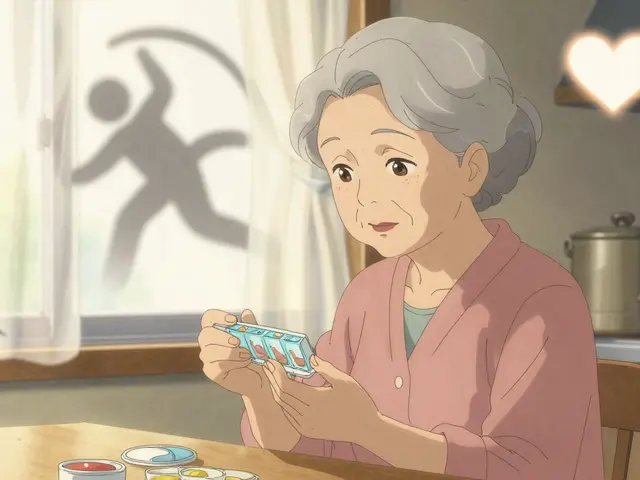
Jan 13 2026
Mar 10 2026

Sep 28 2025