
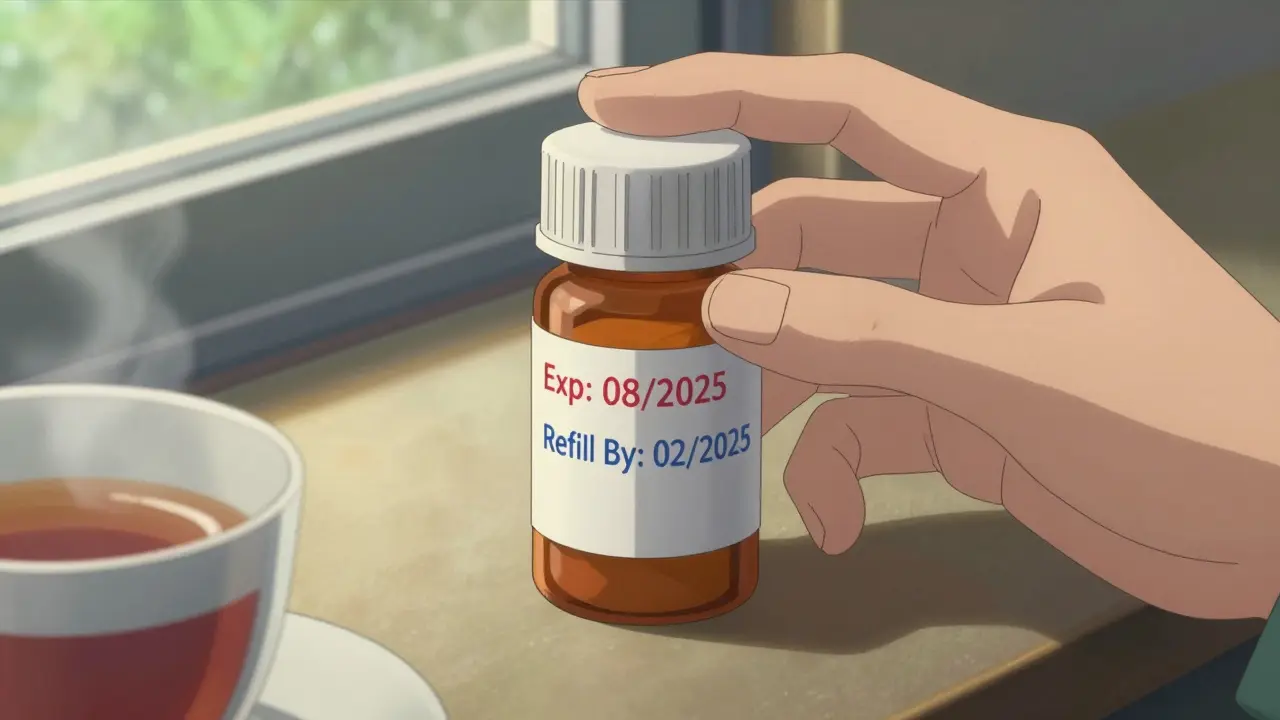
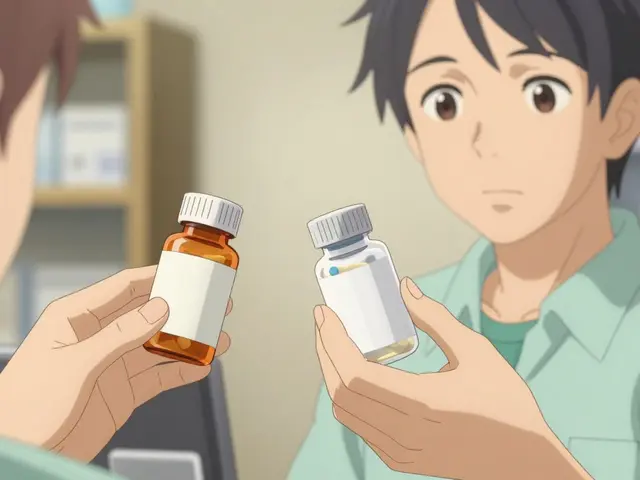
Have you ever looked at your prescription bottle and wondered why there are two different dates? One says "Exp: 08/2025" and the other says "Refill By: 02/2025". You might think they mean the same thing - but they don’t. Mixing them up could mean you throw away perfectly good medicine - or worse, take something that’s no longer safe. This isn’t just a labeling quirk. It’s a safety system built into every prescription you get.
What the Expiration Date Really Means
The expiration date on your prescription bottle isn’t arbitrary. It’s based on science. Drug manufacturers test their medications under different conditions - heat, humidity, light - to see how long they stay stable and effective. That’s how they set the expiration date. The FDA requires this testing, and pharmacies must follow it. Even if your medicine looks fine, smells fine, and hasn’t changed color, expiration date is the legal cutoff. After that date, the pharmacy can’t legally refill it - even if you still have refills left.
Here’s the thing: many medications last longer than their labeled date. The FDA did a study showing 88% of drugs still work fine past their expiration - if stored properly. But here’s the catch: pharmacies can’t take that risk. Once the date passes, the label says "do not use," and pharmacists have to follow that rule. So even if your pills are fine, you can’t get more after the expiration date. You’ll need a new prescription.
What the Refill-By Date Actually Does
The refill-by date has nothing to do with how long the medicine lasts. It’s an administrative rule. Think of it like a window of time when your doctor’s order is still active. Most prescriptions come with a set number of refills - say, three. The refill-by date tells you the last day you can use any of those refills. After that, you need a new prescription, even if you still have pills left.
For most non-controlled medications, that window is usually one year from the original fill date. But it’s not the same everywhere. In California, refill periods can be up to 12 months. In New York, some drugs are limited to six months. And for controlled substances - like opioids, ADHD meds, or sleep aids - the rules are tighter. DEA regulations limit refill-by dates to six months, no exceptions.
Why does this matter? Because if you wait too long to refill, you’ll run into a gap in your treatment. A 2022 Medicare report found that nearly 24% of patients with chronic conditions like high blood pressure or diabetes had to stop taking their meds because they missed their refill-by date. That’s not just inconvenient - it can lead to hospital visits.
The Big Confusion: Why People Get It Wrong
Here’s where things go sideways. A Consumer Reports survey of over 1,200 people found that more than half couldn’t tell the difference between these two dates. That’s not surprising. Pharmacies don’t always label them clearly. Some just say "Discard by" next to the refill date. Others print "Expires" next to the refill-by date. Patients assume they’re the same.
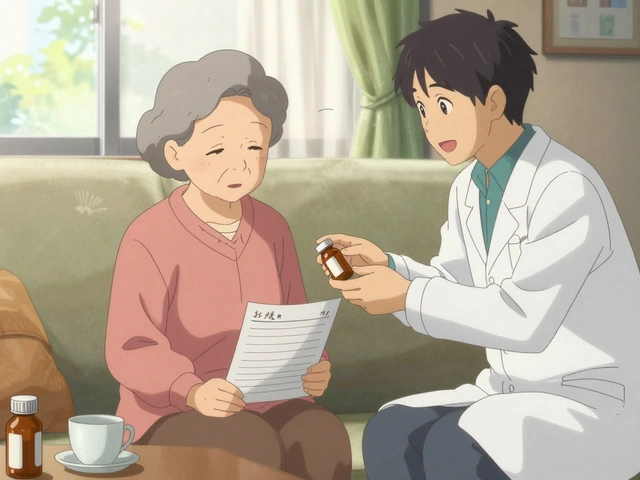
One Reddit user, "MedTech2020," shared how they tossed out $300 worth of insulin because the refill-by date had passed. They thought it meant the medicine was expired. Another patient, interviewed by a pharmacy in Bristol, said they kept taking a blood thinner past its expiration date because they still had refills left. That’s dangerous. You can’t refill expired medicine - and you shouldn’t take it.
Pharmacists say this confusion is the #1 reason patients come in asking for help. One pharmacist told me they spend nearly 7 minutes per prescription just explaining these dates. That’s time they could be using to catch other errors.
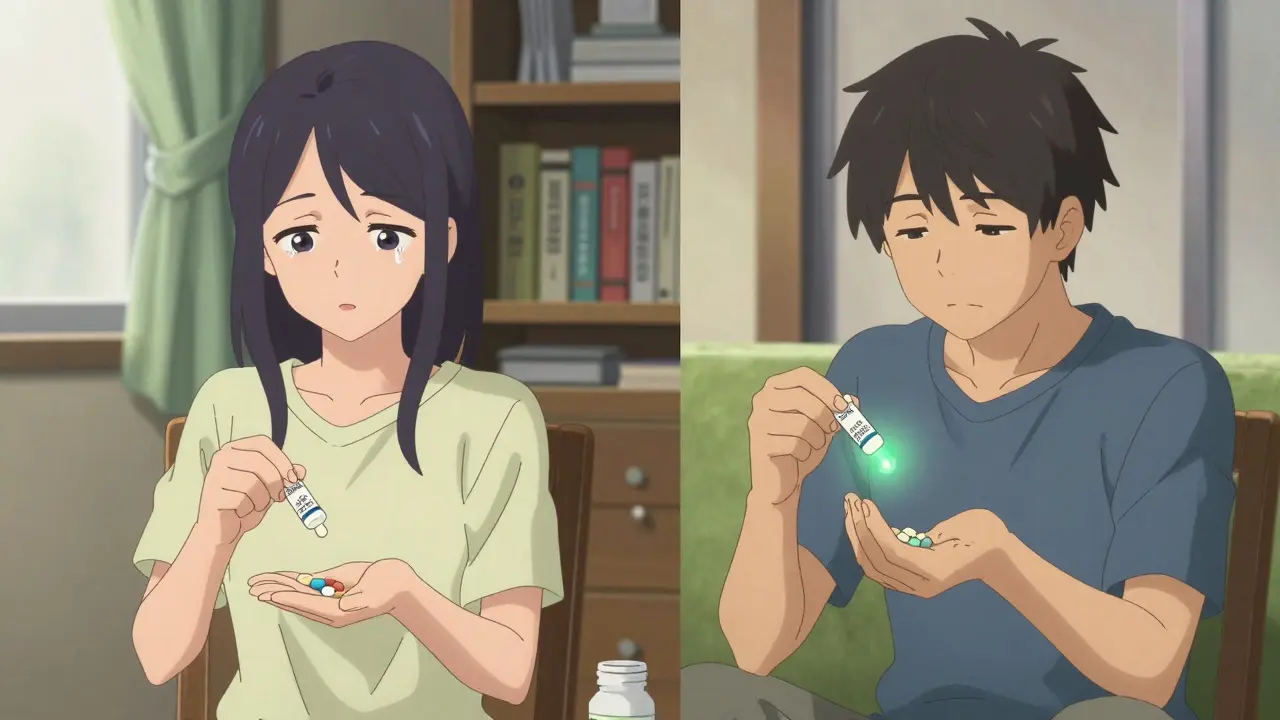
How to Read Your Label Correctly
Here’s how to make sense of your prescription label - fast:
- Look for "Expiration Date" or "Exp" - this is the safety cutoff. If it’s passed, don’t use the medicine. Period.
- Look for "Refill By" or "Refills Exp" - this is your deadline to get more refills. After this date, you need a new prescription.
- Check the number of refills left - it’s usually listed right below the refill-by date. If it says "0," you can’t refill - even if the expiration date is still far off.
- Don’t assume - if you’re unsure, call your pharmacy. They’ll tell you exactly what’s valid.
Some pharmacies are making this easier. CVS and Walgreens now use color-coded labels: red for expiration (safety), blue for refill-by (administrative). Other chains are adding QR codes that, when scanned, play a 30-second video explaining the difference. Early results show a 48% drop in patient questions after these changes.
What Happens When You Ignore These Dates
Ignoring the expiration date can be risky. Medications can break down over time. Antibiotics might lose potency. Insulin can become less effective. Blood pressure pills might not work as well. Even if the pill looks fine, the chemical structure may have changed. That’s why the FDA says: "Don’t use it after the date."
Ignoring the refill-by date can be just as harmful - just in a different way. If you run out of refills and don’t get a new prescription, you might stop taking your medicine. For someone with diabetes, heart disease, or asthma, that’s not a pause - it’s a crisis. A 2023 study showed that patients who missed refill-by dates were 3.5 times more likely to be hospitalized in the next 6 months.
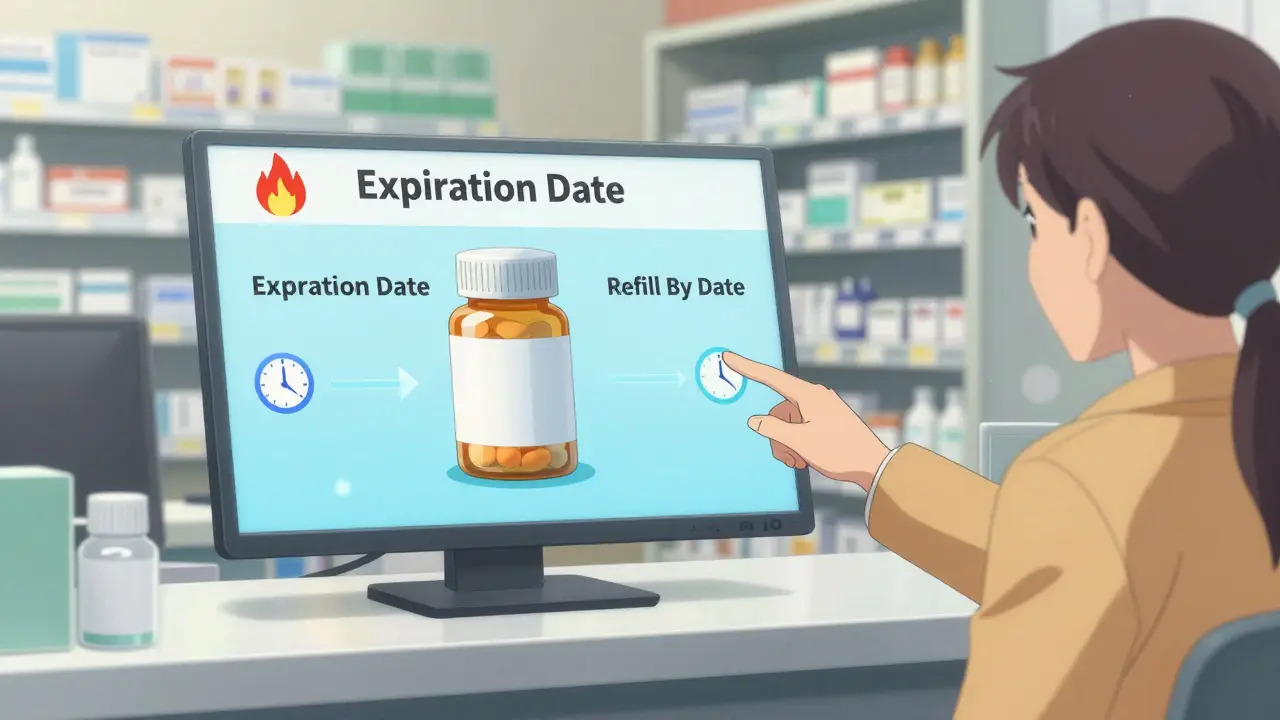
How to Stay on Top of Both Dates
Here’s what works:
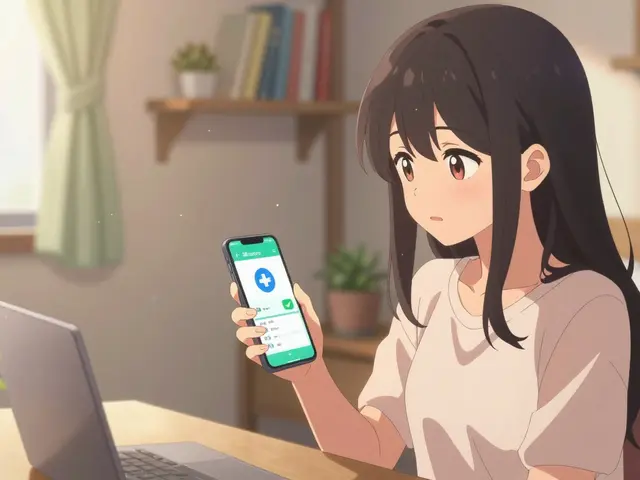
- Set phone reminders - 7 days before your refill-by date. Don’t wait until the last day.
- Keep a simple log - write down both dates on a sticky note or in your phone. Note: "Exp: 10/2025", "Refill By: 05/2025".
- Call ahead - if you’re running low, call your pharmacy 3-5 days before your refill-by date. They can often start the renewal process early.
- Ask about automatic refills - many pharmacies now offer auto-refill programs. You pick the date, and they mail or hold your prescription. No more guessing.
Patients who use these simple steps reduce medication gaps by over 60%, according to the American Pharmacists Association. It’s not complicated. It just takes a little attention.
What’s Changing in 2025?
Regulators are finally listening. The FDA released draft guidelines in late 2023 asking pharmacies to use clear, standardized wording: "Medication Expires On" and "Refills Available Until." They’re also pushing for digital labels in e-prescriptions that highlight these dates differently - no more merging them into one line.
By 2025, most electronic health records will show these dates in separate fields. Some pharmacies are testing augmented reality labels - point your phone at the bottle, and a pop-up shows which date is which. Early tests in 12 states show patients understand the difference 70% better with these tools.
But until then - don’t wait for technology. Know your labels. Check both dates. Ask if you’re unsure. Your health depends on it.

Comments
Valerie Letourneau
The distinction between expiration and refill-by dates is so crucial, especially in Canada where we have strict pharmacy regulations. I've seen patients panic when their refill window closes, thinking their meds are expired. It's not just about safety-it's about continuity of care. Pharmacists here are trained to explain this, but not everyone gets the memo. A simple label redesign could save lives.
Brooke Exley
YESSSS this is the kind of info that should be on billboards 🙌 I used to toss out my asthma inhaler because the refill-by date passed-I had NO idea it was still good until my pharmacist yelled at me. Now I set calendar alerts for BOTH dates. My lungs thank me. Also-QR codes on bottles?? GENIUS. Can we make this mandatory??
Alfred Noble
holy crap i never knew the refill by date was just admin not safety lol i thought if i had refills left i was good to go. my bp med has 12 refills but refill by is 6 months. i just waited till the last second and ended up going without for 3 days. dont be like me. set reminders. also i typoed but you get the point lol
Matthew Brooker
One thing people miss is that refill-by dates aren't just about paperwork-they're about coordination between your doctor, pharmacy, and insurance. If you wait until the last minute, you're not just risking your health, you're adding stress to an already overworked system. Auto-refill programs? They're not a luxury. They're a lifeline. Especially if you're managing chronic stuff. Just turn it on. Your future self will high-five you.
Emily Wolff
This article is overly verbose. The takeaway: expiration = unsafe. Refill-by = bureaucratic. Call your pharmacy. Done.
Lou Suito
Actually, the FDA study showed 88% of drugs were still effective past expiration-but that doesn’t mean they’re safe. And the refill-by date? It’s not 'administrative'-it’s a legal requirement under the Controlled Substances Act. You’re conflating efficacy with legality. And don’t get me started on QR codes-this is 2025, not 2045. We need standardized federal labeling-not gimmicks.
Joseph Cantu
They’re lying to us. The real reason they have two dates? Profit. If you think your insulin lasts 18 months, why would they let you refill? They want you to buy new bottles. Same with blood pressure meds. The 'expiration' date? Probably arbitrary. The 'refill-by'? A trap. I’ve been on the same bottle for 3 years. It’s fine. The system is rigged. They don’t care if you die-they care if you spend.
Jacob Carthy
Why does the government even care? In my day, we just took the pills till they ran out. No labels, no QR codes, no alarms. We had real medicine back then. Now everything’s a scam. Just use it till it’s gone. Who’s gonna stop you? The FDA? LOL.
Lisandra Lautert
I called my pharmacy yesterday. They said my refill-by date was wrong. Turned out I had a duplicate prescription from another clinic. Now I’m on hold for 45 minutes. This system is a nightmare. And yes-I did throw out my meds. I’m not risking my life for bureaucracy.