Cinnarizine Use in Vestibular Neuritis: A Practical Guide
Mar 21 2025

When you take a new medication, talking to doctor about side effects, the practice of openly discussing unexpected or troubling symptoms with your healthcare provider to prevent harm and optimize treatment. Also known as medication symptom reporting, it’s not just good advice—it’s your best defense against preventable harm. Too many people assume side effects are normal, or they fear being seen as a bother. But here’s the truth: if you’re feeling off after starting a new drug, that’s not "just how it is." It’s a signal. And ignoring it can lead to hospital visits, wrong diagnoses, or even permanent damage.
Think about medication side effects, unintended physical or mental reactions to a drug that aren’t part of its intended purpose. They’re everywhere—from mild nausea and drowsiness to dangerous drops in blood pressure or liver stress. The drug reactions, the body’s response to a medication, including side effects, allergies, and intolerances you experience aren’t random. They’re tied to your age, other meds you take, your liver function, even what you eat. That’s why one person’s harmless dizziness is another person’s warning sign of a deadly interaction. And if you don’t tell your doctor, they can’t adjust your treatment. They might even add another drug to fix a problem that’s actually caused by the first one.
patient safety, the reduction of preventable harm caused by medical care, including errors in medication use starts with you speaking up. Studies show that over 40% of serious drug reactions go unreported because patients don’t know how to describe what they’re feeling. Was it a headache? A flutter in your chest? A sudden wave of anxiety? Did it start the day you took the pill, or after two weeks? Write it down. Bring your list. Don’t say "I feel weird." Say "I’ve had dizzy spells after lunch since I started the new blood pressure pill." That’s the kind of detail that changes outcomes.
And don’t forget medication management, the process of tracking, adjusting, and monitoring all drugs a person takes to ensure safety and effectiveness. It’s not just about taking pills on time. It’s about knowing what each one does, why you’re on it, and what could go wrong. If you’re on five meds, as many older adults are, the chances of a hidden interaction go up fast. That’s why the posts below cover everything from how to spot the difference between a side effect and an allergy, to how to reduce your pill burden safely, to what to do when your insurance switches your generic. You’ll find real stories from people who learned the hard way—and how they got back on track.
What you’re about to read isn’t theory. It’s what people actually faced—and what worked. Whether you’re managing high blood pressure, diabetes, depression, or just a stubborn headache with OTC meds, the advice here is practical, no-fluff, and straight from real cases. You don’t need to be a medical expert to protect yourself. You just need to know what to ask, what to watch for, and when to say, "This isn’t right."
Nov

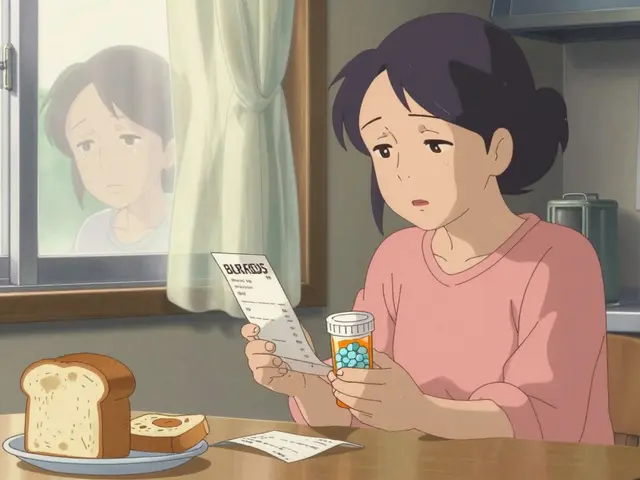
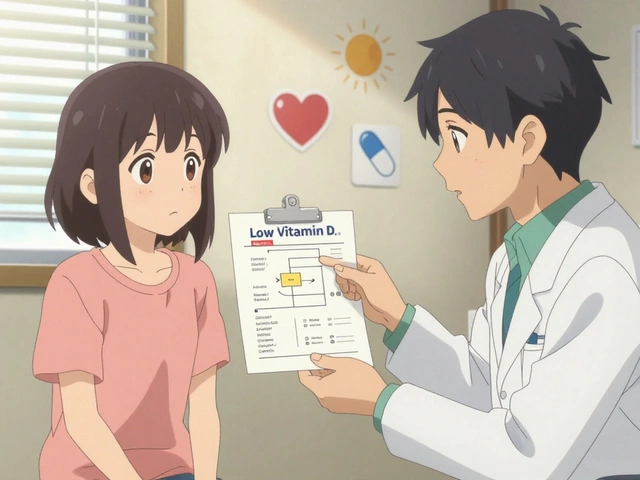
Learn how to talk to your doctor about medication side effects without quitting your prescription. Discover simple tracking methods, key questions to ask, and real strategies to stay on treatment safely.

Mar 21 2025

Apr 26 2025

Jan 24 2026
Dec 17 2025
Dec 3 2025