Hyperthyroidism and Stimulant Medications: Heart and Anxiety Risks
Jan 18 2026

When you're in pain, you don't want fancy jargon—you want something that actually helps. Pain relief, the process of reducing or eliminating physical discomfort through medication, lifestyle changes, or other interventions. Also known as analgesia, it’s one of the most common reasons people visit doctors or search online for answers. But not all pain relief is created equal. What works for one person might make another sicker. Many think taking more of a painkiller means faster relief, but that’s often how dangerous side effects start.
Real pain relief isn’t just about popping pills. It’s about understanding how your body reacts to medication, chemical substances used to treat, cure, or prevent disease. Also known as drug, it interacts with your system in ways you might not expect. Some drugs, like opioids, powerful painkillers that act on the central nervous system. Also known as narcotics, they can cause dependence even when taken as prescribed. Others, like NSAIDs, might help with joint pain but irritate your stomach or kidneys over time. And then there are the hidden risks—like how a common antibiotic like rifampin can make your pain meds less effective by speeding up how your liver breaks them down. These aren’t hypotheticals. They’re real interactions documented in pharmacy systems and patient reports.
People often confuse side effects with allergies. You might think you’re allergic to ibuprofen because your stomach hurts, but that’s usually intolerance—not an immune reaction. True allergic reactions to pain meds are rare, but they can be life-threatening. That’s why knowing the difference matters. If you’ve ever been told you’re "allergic" to a drug but never had a rash or swelling, you might be mislabeled—and that could limit your future treatment options. Meanwhile, newer options like topical creams, nerve blocks, or even certain supplements (like acetyl-L-carnitine for nerve pain) are showing up in research as safer, long-term alternatives. And if you’re on multiple meds, you’re already in the danger zone for interactions. One wrong combo—say, blood thinners with certain painkillers—can land you in the ER.
What you’ll find below isn’t a list of miracle cures. It’s a collection of real, practical guides from people who’ve been there: how to tell if your pain meds are causing more harm than good, what to do when common drugs stop working, how to spot dangerous interactions before they happen, and which alternatives actually have science backing them. No fluff. No marketing. Just what you need to take control—safely.
Nov
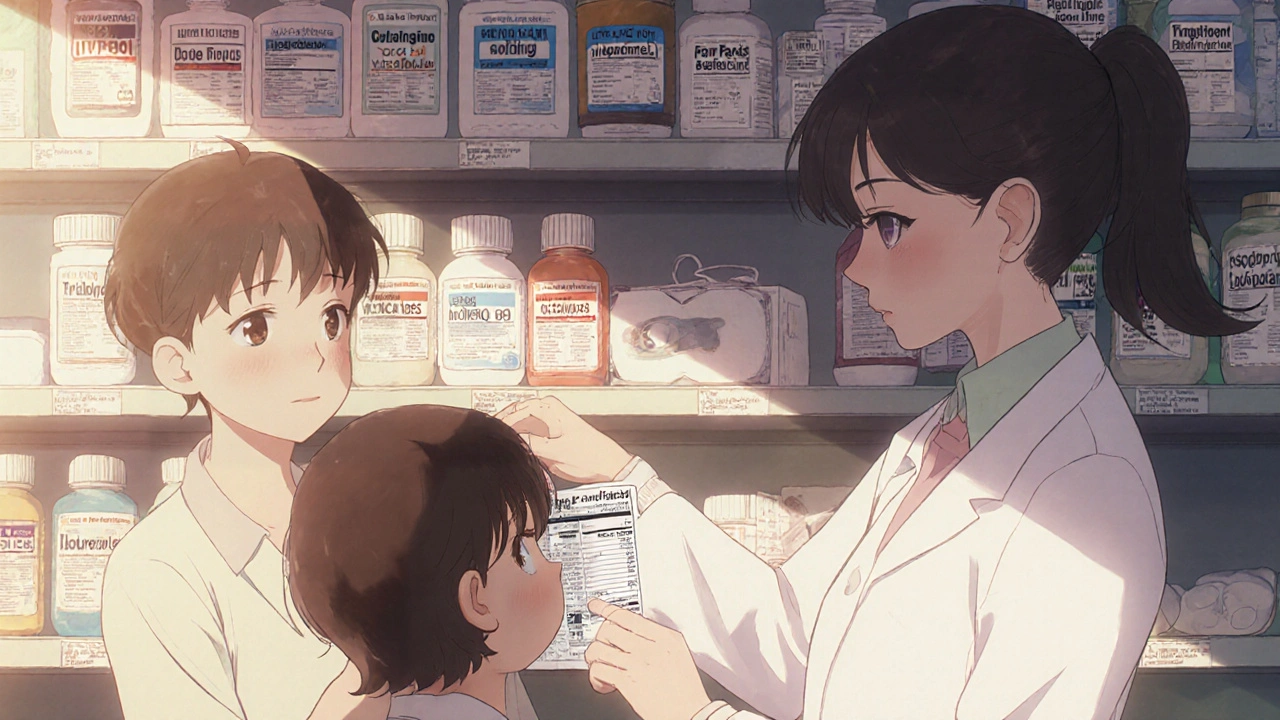
Learn how NSAIDs, acetaminophen, and antihistamines work, their risks, and how to choose the right OTC pain, fever, or allergy relief safely. Avoid common mistakes that lead to overdoses and side effects.

Jan 18 2026

Nov 18 2025

Oct 26 2025
Oct 15 2025

Feb 1 2026