The Science Behind Rifampin: How It Stops Bacterial Infections
Nov 2 2025

When your body doesn’t have enough potassium, a vital mineral that helps nerves and muscles work, keeps your heart beating regularly, and balances fluids. Also known as low potassium, this condition is called hypokalemia. It’s not just about feeling tired. Severe hypokalemia can mess with your heart rhythm, cause muscle weakness so bad you can’t stand, or even lead to dangerous heart arrhythmias. And it’s often not caused by eating too few bananas—it’s usually tied to something else entirely, like the meds you’re taking.
Many common drugs pull potassium out of your body. Diuretics, especially the ones doctors prescribe for high blood pressure or swelling, are the biggest culprits. If you’re on a water pill like furosemide or hydrochlorothiazide, your kidneys are flushing out extra fluid—and potassium with it. Same goes for some asthma inhalers, laxatives used too often, and even certain antibiotics. Even if you feel fine, your potassium might be dropping slowly. That’s why medication side effects, unexpected changes in your body from a drug aren’t always obvious. You might think you’re just weak or crampy, but it could be hypokalemia. And if you’re juggling multiple prescriptions—like with polypharmacy, taking four or more medications at once—the risk goes up fast. Older adults, people with kidney issues, or those with chronic conditions like heart failure are especially at risk.
It’s not just about drugs. Things like vomiting, diarrhea, or heavy sweating can drain potassium too. But here’s the thing: if you’re taking meds and feeling off, don’t just assume it’s aging or stress. A simple blood test can check your potassium level. And if it’s low, fixing it isn’t always about popping supplements. Sometimes, your doctor just needs to adjust your diuretic, switch your blood pressure med, or add a potassium-sparing pill. You don’t have to live with muscle cramps or heart flutters because no one checked your numbers.
The posts below cover real situations where hypokalemia shows up—whether it’s from a common prescription, a hidden interaction, or a combo of health issues. You’ll find guides on how to track side effects, what to ask your doctor during a med review, and how to spot when your meds might be silently draining your electrolytes. No fluff. Just what you need to know to stay safe and get your energy back.
Dec
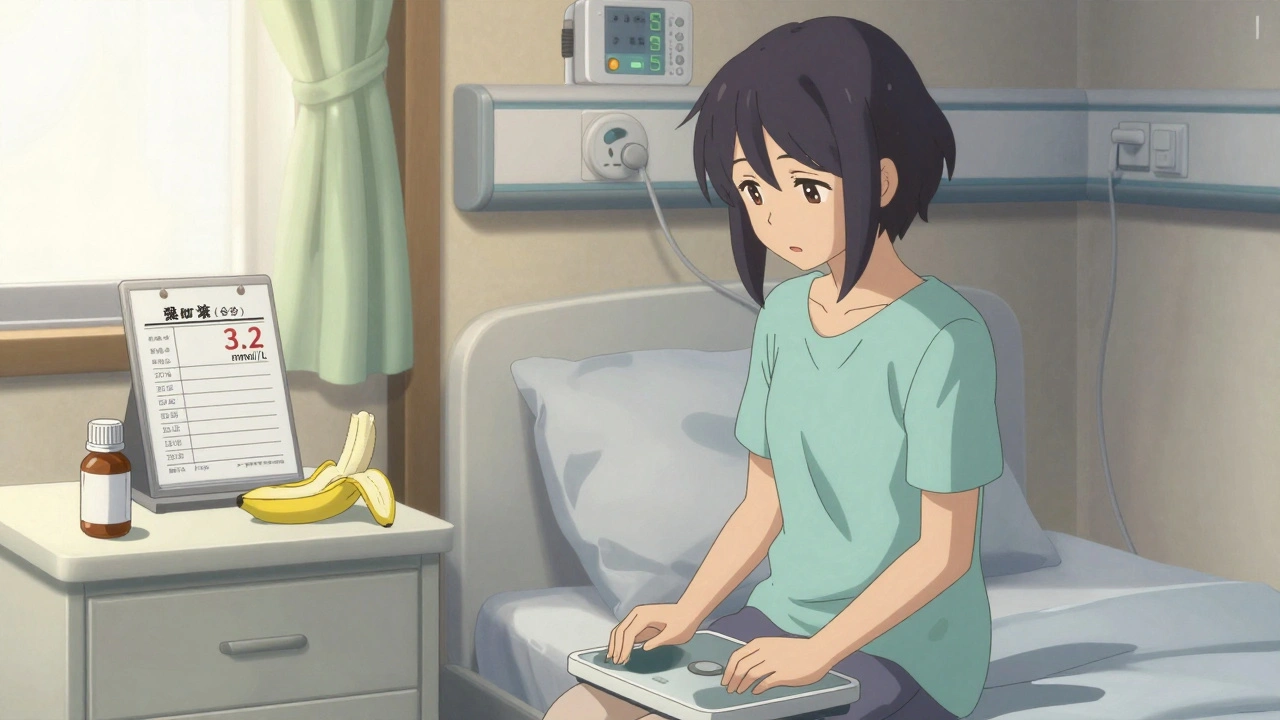
Diuretics help manage fluid in heart failure but often cause dangerous low potassium. Learn how to prevent and treat hypokalemia with proven strategies like potassium supplements, MRAs, and SGLT2 inhibitors.

Nov 2 2025

Nov 17 2025

Nov 27 2025
Mar 15 2026

Jul 15 2025