Strep Throat: How to Get Diagnosed, Which Antibiotics Work, and What to Expect During Recovery
Nov 21 2025

When your mood swings out of nowhere—irritability, sadness, or anxiety hitting hard right before your period or during menopause—you’re not imagining it. This is hormonal mood changes, emotional shifts driven by natural fluctuations in reproductive hormones like estrogen and progesterone. Also known as premenstrual dysphoric disorder (PMDD) in severe cases, it’s a real biological response, not weakness or stress alone. These changes aren’t random. They follow your cycle, often peaking in the days before your period starts, and can return during perimenopause when hormone levels become unpredictable.
It’s not just about PMS. perimenopause, the transition phase before menopause when ovaries gradually produce less estrogen can trigger mood swings, panic attacks, and brain fog that feel like they come out of nowhere. And menstrual cycle, the monthly hormonal rhythm that controls ovulation and uterine lining changes isn’t just about fertility—it’s a full-body regulator. When estrogen drops, serotonin dips too. That’s why so many people feel low, tired, or on edge during the luteal phase. It’s chemistry, not character.
These shifts don’t happen in isolation. They overlap with sleep problems, stress, and even how your body handles medications. Some people notice mood dips after starting birth control or stopping it. Others find their symptoms flare when they’re sick, under pressure, or not eating enough. It’s not one thing—it’s the whole system. And that’s why simple fixes like "just take a vitamin" often fall short. What works for one person might do nothing for another.
What you’ll find in these posts isn’t guesswork or fluff. It’s real talk about how hormones interact with your brain, your meds, and your daily life. You’ll see how certain drugs can make hormonal mood changes worse—or help. How nutrient gaps like low vitamin D or magnesium play a role. How skipping pills or mixing supplements can throw your balance off. And how to talk to your doctor without being dismissed.
This isn’t about being "fixed." It’s about understanding what’s happening inside you—and taking back control, one informed choice at a time.
Dec
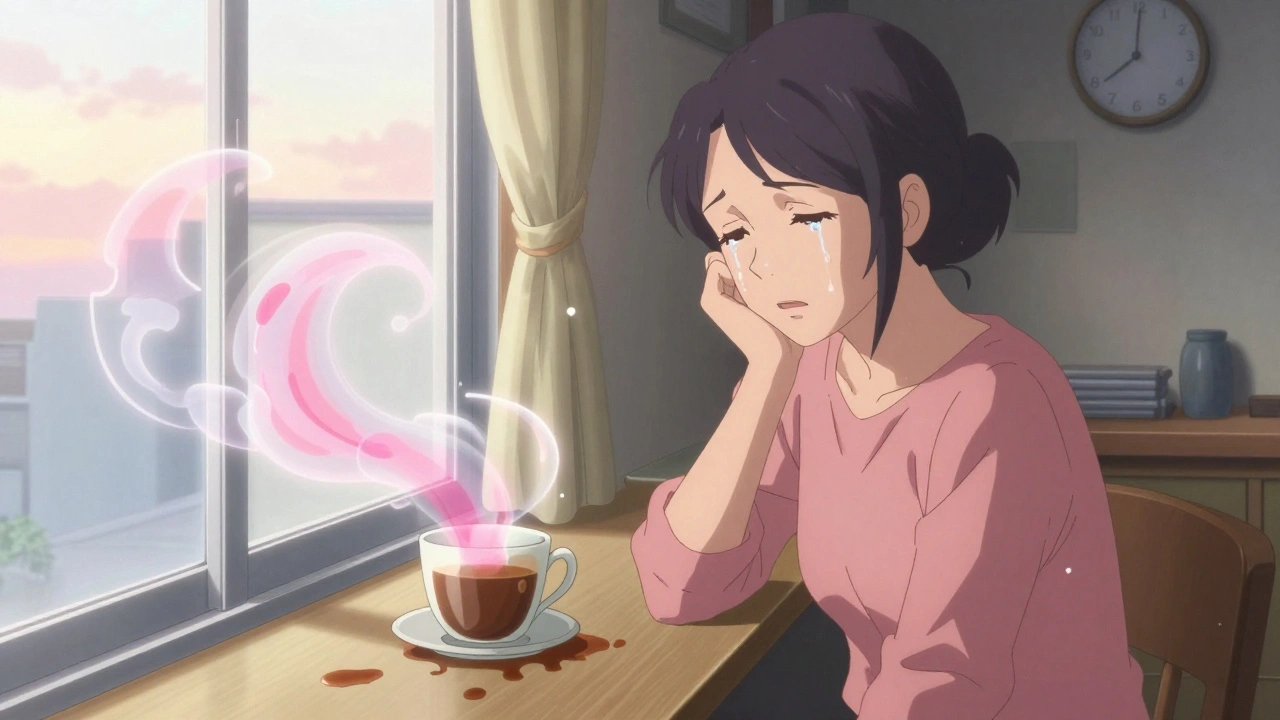
Perimenopause can trigger intense mood swings due to hormonal shifts. Learn how estrogen and progesterone changes affect your brain, what treatments actually work, and how to find the right care without waiting until it's too late.

Nov 21 2025
Dec 9 2025

Oct 4 2025

Sep 20 2025
Nov 18 2025