Noroxin vs Alternatives: Quick Comparison of Norfloxacin and Other Antibiotics
Oct 22 2025

When you hear Group A strep, a type of bacteria called Streptococcus pyogenes that causes infections ranging from mild sore throats to life-threatening conditions. Also known as Streptococcus pyogenes, it’s one of the most common causes of bacterial infections in kids and adults alike. You might know it as strep throat, but it doesn’t stop there. Group A strep can also cause skin infections like impetigo, scarlet fever, and in rare cases, toxic shock or necrotizing fasciitis. It’s not just a sore throat—it’s a whole family of infections that behave differently depending on where they take hold.
What makes Group A strep tricky is how easily it spreads. A cough, a sneeze, or even touching a doorknob someone with the infection just used can pass it along. It doesn’t need a weakened immune system to take hold—healthy people get it all the time. That’s why schools and daycare centers see outbreaks every winter. The good news? Most cases are simple to treat with a short course of antibiotics, medications like penicillin or amoxicillin that kill the bacteria and stop it from spreading. But here’s the catch: if you don’t finish the full course, or if you ignore symptoms, the infection can come back—or worse, trigger complications like rheumatic fever, which can damage your heart valves.
Not every sore throat is strep. Viruses cause most throat infections, and antibiotics won’t help those. That’s why doctors test with a rapid antigen test or throat culture before prescribing. If you’ve had a fever, swollen tonsils, no cough, and tender neck glands for more than a day or two, it’s worth getting checked. Kids are more likely to get it, but adults aren’t immune—especially if they’re around kids or work in healthcare.
Group A strep doesn’t just live in the throat. It can turn up in wounds, causing redness, swelling, and pus. If you’ve had a cut or burn and the area gets hot, painful, or spreads quickly, don’t wait. That’s a red flag for invasive Group A strep, which needs emergency care. And while most cases are mild, outbreaks of severe illness have been rising since 2022, especially in children under 10. Public health agencies are watching closely.
What you’ll find in the posts below aren’t just medical facts—they’re real-world guides on how to spot the difference between a viral bug and something more serious, how to avoid passing it to others, what antibiotics actually do (and don’t do), and how to handle side effects or allergic reactions if you’re prescribed treatment. You’ll also see how it connects to other conditions like skin infections, post-infection complications, and even how it affects people on immunosuppressants. This isn’t theory. These are the things people actually deal with—and the answers they need before they walk into a clinic.
Nov
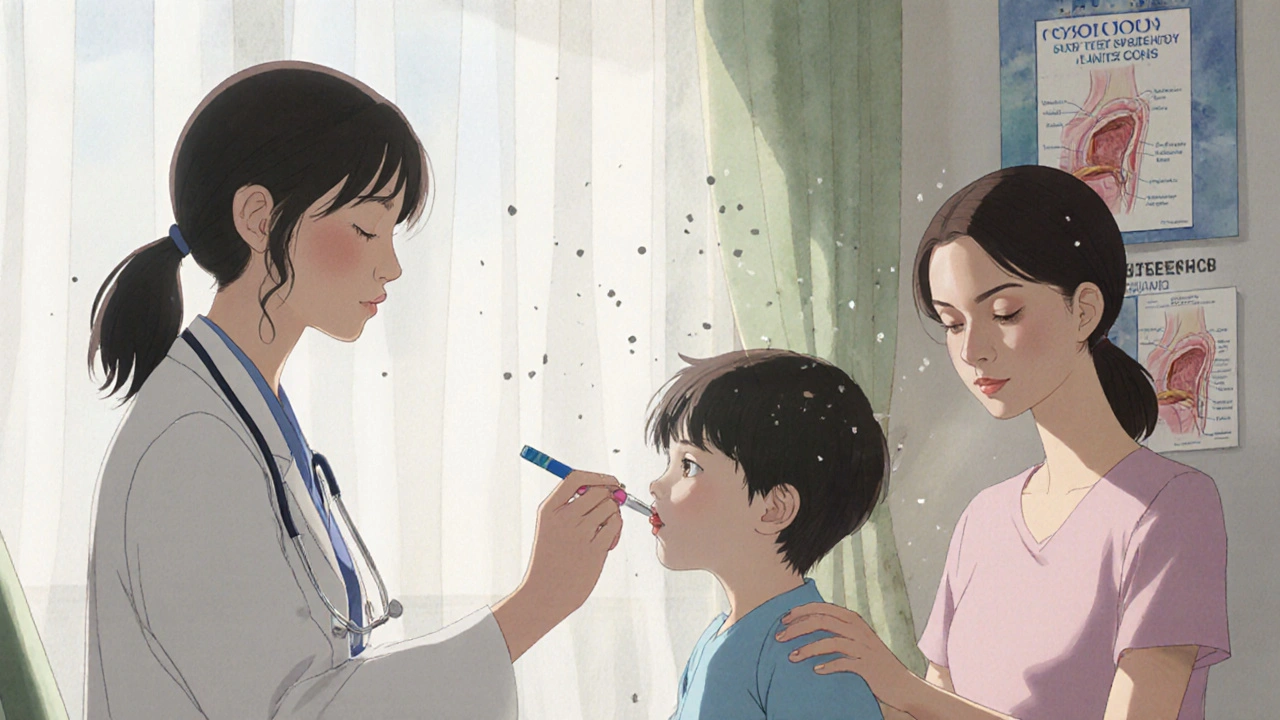
Strep throat requires accurate diagnosis and full antibiotic treatment to prevent serious complications. Learn how it’s diagnosed, which antibiotics work best, and what to expect during recovery.
Oct 22 2025

Jan 8 2026

Feb 2 2026
Dec 24 2025

Feb 17 2026