
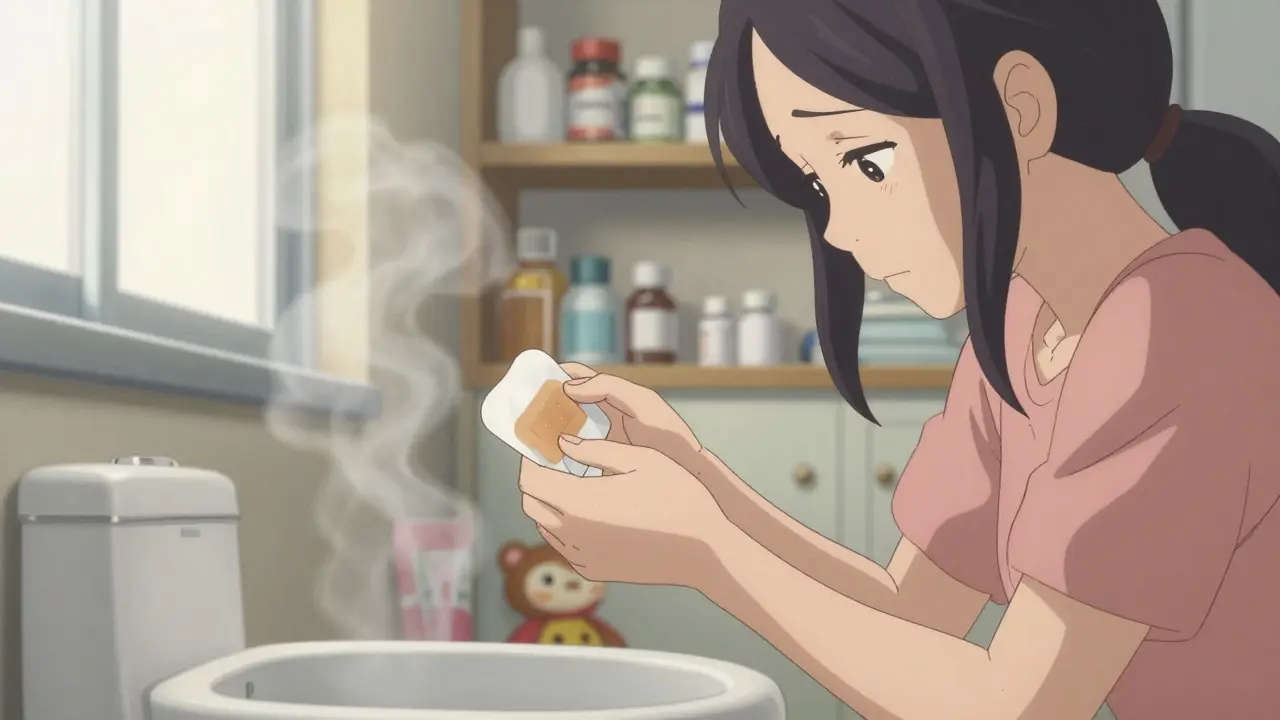
Most people think flushing pills down the toilet is bad for the environment - and they’re right. FDA-approved medications for flushing are the rare exception, not the rule. The U.S. Food and Drug Administration doesn’t encourage flushing drugs. In fact, they say the best way to get rid of unused or expired medicines is through a drug take-back program. But there’s a small group of medications so dangerous if found by a child, pet, or stranger that the FDA says: if you can’t drop them off anywhere, flush them. No other option. Not burying. Not tossing in the trash. Not mixing with coffee grounds. Flush.
Why Flush at All?
Think about this: a fentanyl patch left on the floor of a living room. A curious toddler picks it up, sticks it to their skin. Within minutes, they stop breathing. That’s not hypothetical. Between 2010 and 2022, the FDA recorded 217 accidental exposures to fentanyl in children under 12. Nine of them died. These aren’t old pills gathering dust. These are potent, fast-acting drugs that can kill in a single dose. The same goes for methadone, oxymorphone, or a long-acting morphine tablet. If a child finds one of these in a drawer, or a grandparent accidentally takes a double dose thinking it’s something else - the outcome can be fatal. The FDA’s job isn’t just to approve drugs. It’s to prevent harm. And when a drug is this dangerous, and take-back bins aren’t nearby, flushing becomes the last line of defense.What’s Actually on the FDA Flush List?
The list isn’t long. It’s under 20 active ingredients. And it’s not a free pass to flush anything you don’t want anymore. Here’s what’s included as of April 2024:- Buprenorphine - found in SUBOXONE, ZUBSOLV, BUTRANS, BELBUCA
- Fentanyl - in ABSTRAL, ACTIQ, DURAGESIC patches, FENTORA, ONSOLIS
- Hydromorphone - specifically EXALGO extended-release tablets
- Meperidine - brand name DEMEROL
- Methadone - DOLOPHINE, METHADOSE
- Morphine - ARYMO ER, AVINZA, EMBEDA, KADIAN, MORPHABOND ER, MS CONTIN, ORAMPH SR
- Oxymorphone - OPANA, OPANA ER
- Tapentadol - NUCYNTA, NUCYNTA ER
- Sodium oxybate - XYREM, XYWAV
- Diazepam rectal gel - DIASTAT, DIASTAT ACUDIAL
- Methylphenidate transdermal system - DAYTRANA
Notice something? Almost all of these are opioids or controlled substances with high abuse potential. The only non-opioid on the list is diazepam rectal gel (used for seizures) and DAYTRANA (a patch for ADHD). These are included because they’re dangerous if misused - especially by kids. If your medication isn’t on this list, don’t flush it. Even if it’s expired. Even if you’re tired of storing it. Don’t.
How to Flush Correctly
Flushing isn’t just dumping a pill into the bowl. There’s a right way - and a wrong way. Here’s how to do it safely:- Check the label. Look for the FDA Flush List warning. If it’s not there, don’t flush. Even if you think it’s similar to something on the list.
- Verify take-back options first. Use the DEA’s website to find a nearby collection site. Many pharmacies, hospitals, and police stations have drop boxes. National Take Back Day happens twice a year, but year-round sites exist too.
- If no take-back is available, flush. Only for items on the list.
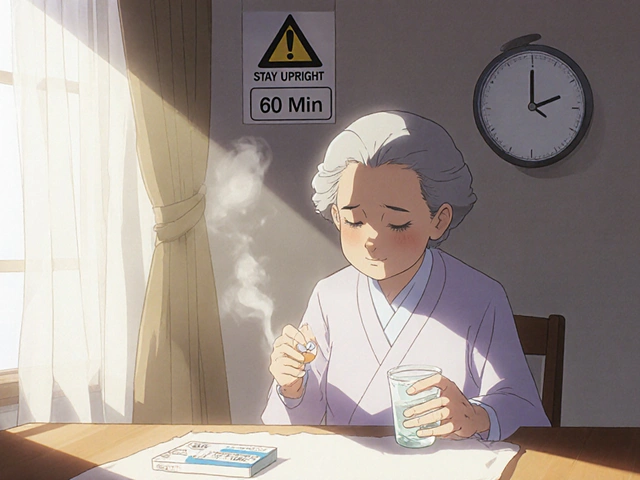
- For patches (like fentanyl or buprenorphine), fold them. Fold the patch in half with the sticky side in. This keeps it from sticking to other things and reduces environmental contact. Then flush.
- Flush one at a time. Don’t pile them up. One pill, one patch, one flush. Let the water clear between each.
- Remove personal info from packaging. Before tossing the bottle or box in the trash, scratch out your name, prescription number, and doctor’s details. Identity theft doesn’t stop at credit cards.
Some people worry about flushing patches because they’re plastic. That’s valid. But the EPA and FDA agree: the risk of a child dying from a patch found on the floor outweighs the environmental impact of flushing one patch a year. It’s a trade-off - and the FDA chose human safety.
What Happens When You Flush the Wrong Thing?
Flushing anything not on the list is a bad idea - and it’s more common than you think. A 2023 survey found that 42% of Americans have flushed medications that weren’t approved for it. Common offenders? Antibiotics, antidepressants, blood pressure pills, even ibuprofen. These don’t belong in the toilet. They don’t kill like fentanyl does. But they pollute waterways. Fish have shown hormonal changes from exposure to antidepressants. Microplastics from pill coatings show up in drinking water sources. The EPA doesn’t ban flushing for households - but they strongly discourage it. And for pharmacies, hospitals, or nursing homes? Flushing is illegal. They’re required to use licensed hazardous waste handlers.Why Isn’t the List Bigger?
You might wonder: why not add more? Why not flush everything? The answer is science and balance. The FDA reviewed over 100 medications in 2021 and removed 11 from the list because newer versions had abuse-deterrent features - like pills that turn to gel when crushed, making them harder to misuse. The agency doesn’t want to flush more than necessary. Every flush adds to environmental load. The goal is to keep the list as small as possible while still protecting lives. That’s why they’re reviewing new transdermal patches in 2024. If a new patch design makes accidental exposure less likely, it might get removed from the list.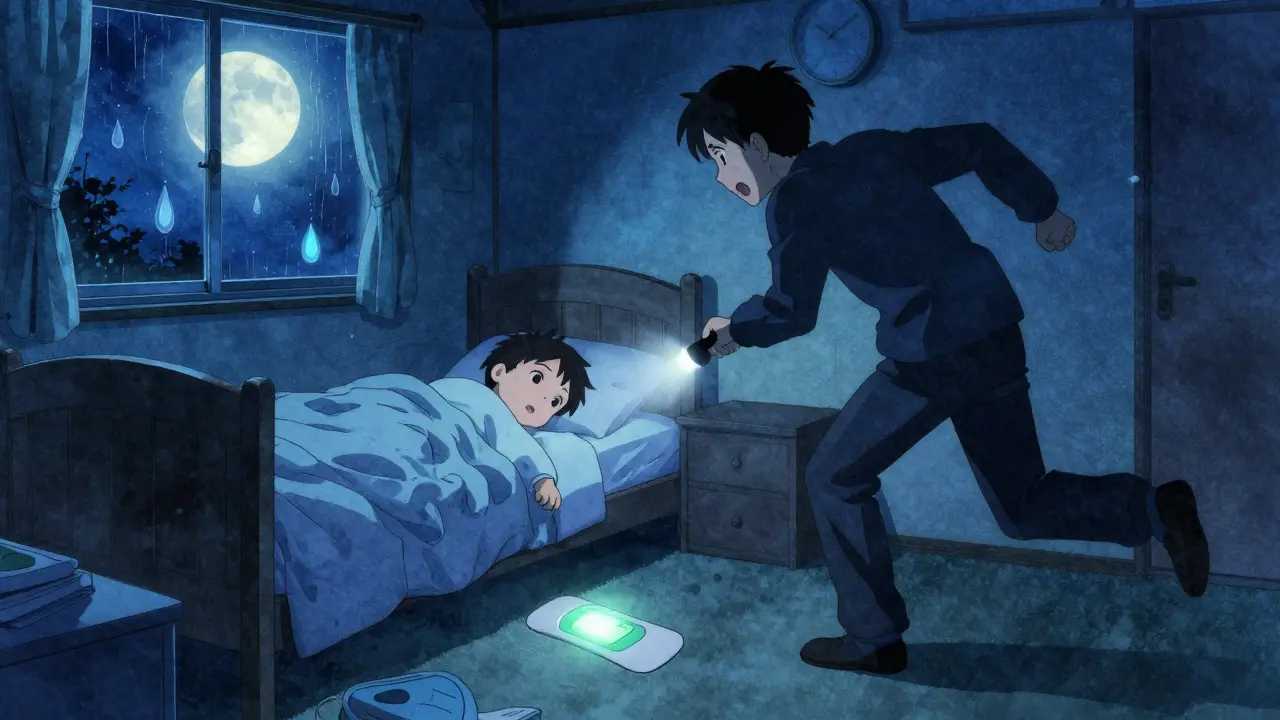
What Should You Do Instead?
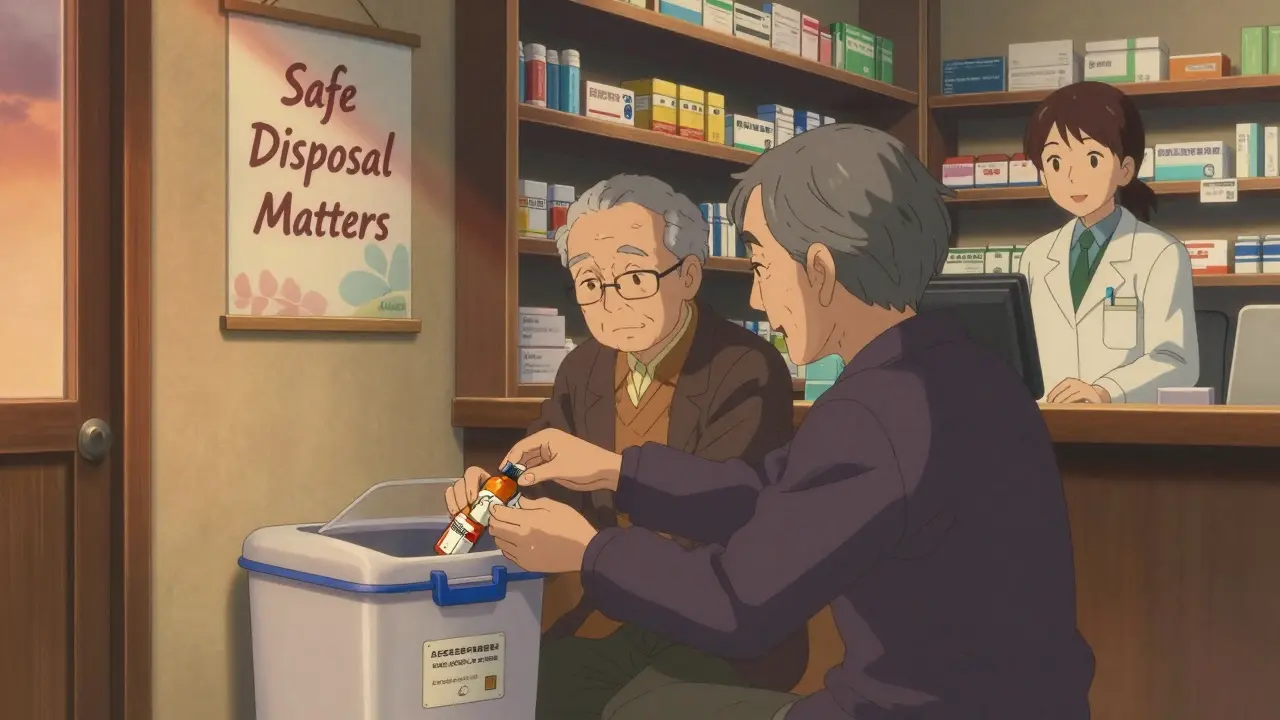
The best option? Take it back. Always. Here’s how:- Check DEA’s National Take Back Day (April and October)
- Search for year-round drop-off sites using the DEA’s online locator
- Ask your pharmacist - many now offer take-back bins
- Some cities have mail-back programs - send your meds in a prepaid envelope
If none of these work, and your medication is on the FDA list - then flush. If it’s not on the list? Mix it with something unappetizing: kitty litter, used coffee grounds, dirt. Put it in a sealed container. Toss it in the trash. Label the container: "Do Not Consume." It’s not ideal, but it’s safer than flushing the wrong thing.
What’s Changing in 2025?
The FDA is actively updating its guidance. The Bipartisan Infrastructure Law gave $15 million to expand take-back programs. Over 12,000 collection sites now exist across the U.S. - but rural areas still struggle. One site per 50,000 people isn’t enough. The FDA is also pushing for standardized disposal instructions on all prescription labels. Right now, some bottles say "flush," others say "don’t flush," and most say nothing. That’s confusing. By 2025, you should see clear, consistent language: "If you cannot access a take-back program, flush this medication." That’ll cut down on mistakes.Environmental scientists still monitor waterways. In 2023, traces of eight FDA-flush-list medications were found in 23% of tested streams. But the concentrations were 1,000 times lower than therapeutic levels. No human health risk from water exposure. The real danger? The pill on the counter, the patch in the drawer, the bottle in the bathroom cabinet.
So if you have a fentanyl patch, a bottle of methadone, or any other item on the list - and you can’t find a drop-off spot - flush it. It’s not about convenience. It’s about preventing a child from dying because you didn’t know what to do. The FDA didn’t make this list lightly. They made it because someone’s life depended on it.
Comments
Dan Gaytan
This is such an important topic 🙏 I had no idea flushing certain meds was actually the *safest* option in some cases. My grandma almost gave her grandson a fentanyl patch thinking it was a nicotine patch. Scary stuff. Glad the FDA has clear guidelines.
Gray Dedoiko
I always assumed flushing anything was bad. This actually makes sense. If you’ve got something that can kill a kid in minutes and no take-back nearby, flush it. Better than them finding it in the trash or on the floor.
Bret Freeman
The FDA is just trying to control us. First they tell you to flush, then they tell you not to flush. Now they want to put labels on every bottle like we’re children. Who gave them the right to decide what’s safe for my medicine cabinet?
Lindsey Kidd
Thank you for sharing this. So many people don’t know the difference between 'dispose safely' and 'flush immediately'. I’m going to print this out and leave it on the counter at my mom’s house. She’s got a drawer full of old painkillers.
Harsh Khandelwal
They say flush but what they really mean is 'let the corporations profit from your fear'. Fentanyl patches? Yeah right. The real agenda? More plastic in the water so they can sell you 'FDA-approved' water filters next year. Also, who says the EPA even tests for this? They’re all in bed with Big Pharma.
EMMANUEL EMEKAOGBOR
This is a thoughtful and necessary public health measure. In many parts of the world, access to safe disposal is nonexistent. The FDA’s approach, while imperfect, prioritizes human life over environmental speculation. A balanced, science-driven policy.
Paula Villete
Oh wow. So we’re supposed to trust the FDA to tell us when to flush? And not when to throw it in the trash? How did we get here? The same agency that approved OxyContin now tells us what to do with our medicine? I’ll take my coffee grounds and a Sharpie over their ‘science’ any day.
Bartholomew Henry Allen
The environmental impact of flushing is negligible compared to the lives saved. This is not a debate. It is a public safety imperative. The notion that we should risk a child’s life because of trace pharmaceuticals in water is not only irresponsible-it is immoral.
Georgia Brach
The FDA list is arbitrary and inconsistent. Why is diazepam rectal gel included but not midazolam? Why is DAYTRANA included but not Adderall? There’s no logical pharmacological basis. This is not science-it’s political theater dressed up as policy.
Austin LeBlanc
You people are still talking about flushing? What about the fact that 78% of pharmacies don’t even have drop boxes? You think the FDA cares? They’re too busy approving new opioid painkillers with abuse-deterrent features that don’t work. This whole thing is a distraction. The real problem? The system that lets these drugs be prescribed like candy in the first place.