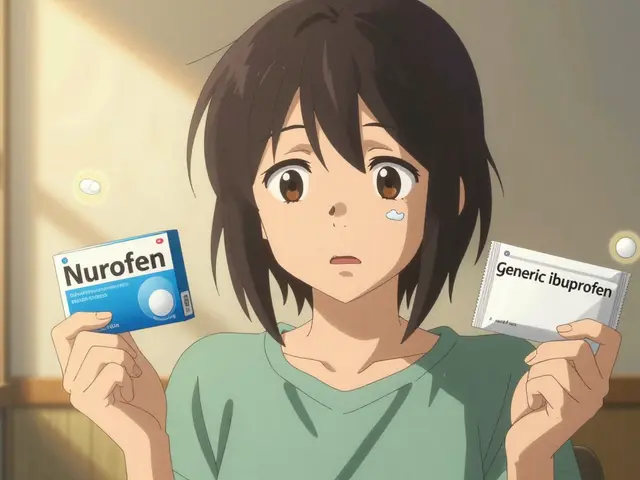
Placebo Effect with Generics: Why Perception Shapes Medication Outcomes
Jan 4 2026

When you start a new job, one of the first things you’re asked to choose is your employer health plans, health insurance offered by your workplace as part of your compensation package. Also known as group health insurance, these plans are often the most affordable way to get coverage because your employer pays part of the cost. About 160 million Americans get their health coverage this way—more than any other source. But knowing what’s in your plan isn’t automatic. Many people think ‘health insurance’ means everything’s covered, then get shocked when they’re billed for a simple blood test or a prescription they thought was free.
Not all employer health plans are the same. Some include full prescription drug coverage, the part of your plan that pays for medications like insulin, statins, or antidepressants, while others have high copays or require step therapy—meaning you have to try cheaper drugs first. Others don’t cover certain workplace benefits, additional perks like telehealth, mental health counseling, or wellness programs at all. The biggest mistake people make? Not reading the summary of benefits. You don’t need to read the 50-page contract, but you do need to know what’s in the one-page summary. Look for the deductible, out-of-pocket max, and which pharmacies are in-network. If you take a regular medication, check if it’s on the formulary—and if there’s a cheaper generic alternative.
Employer health plans also vary by company size. Small businesses might offer one plan with limited choices, while big companies give you options: HMO, PPO, HDHP with HSA. An HDHP (High Deductible Health Plan) might look cheaper on your paycheck, but if you’re managing a chronic condition, you could end up paying more out of pocket. If you’re on statins, antidepressants, or insulin, a plan with low copays matters more than a low monthly premium. And don’t forget: some plans include free annual checkups, flu shots, or even discounts on gym memberships. These aren’t just perks—they’re tools that help you stay healthy and avoid bigger costs later.
You’re not stuck with your plan forever. During open enrollment, you can switch if your needs changed—maybe you started taking a new medication, had a baby, or your spouse lost their job. If you think your plan doesn’t cover what you need, talk to HR. Ask for the formulary, the network list, and the prior authorization rules. Many people don’t realize they can appeal a denial or request a formulary exception. And if your employer offers an HSA or FSA, use it. Those are tax-free dollars you can spend on prescriptions, bandages, even over-the-counter pain relievers.
Below, you’ll find real guides on how to manage medications under these plans—how to avoid dangerous interactions, how to talk to your doctor about side effects, how to spot when a generic drug is just as good as the brand, and how to use government programs if your employer’s coverage falls short. This isn’t just about insurance forms. It’s about making sure you’re not paying more than you should, missing out on help, or taking risks because you didn’t understand what your plan actually covers.
Dec
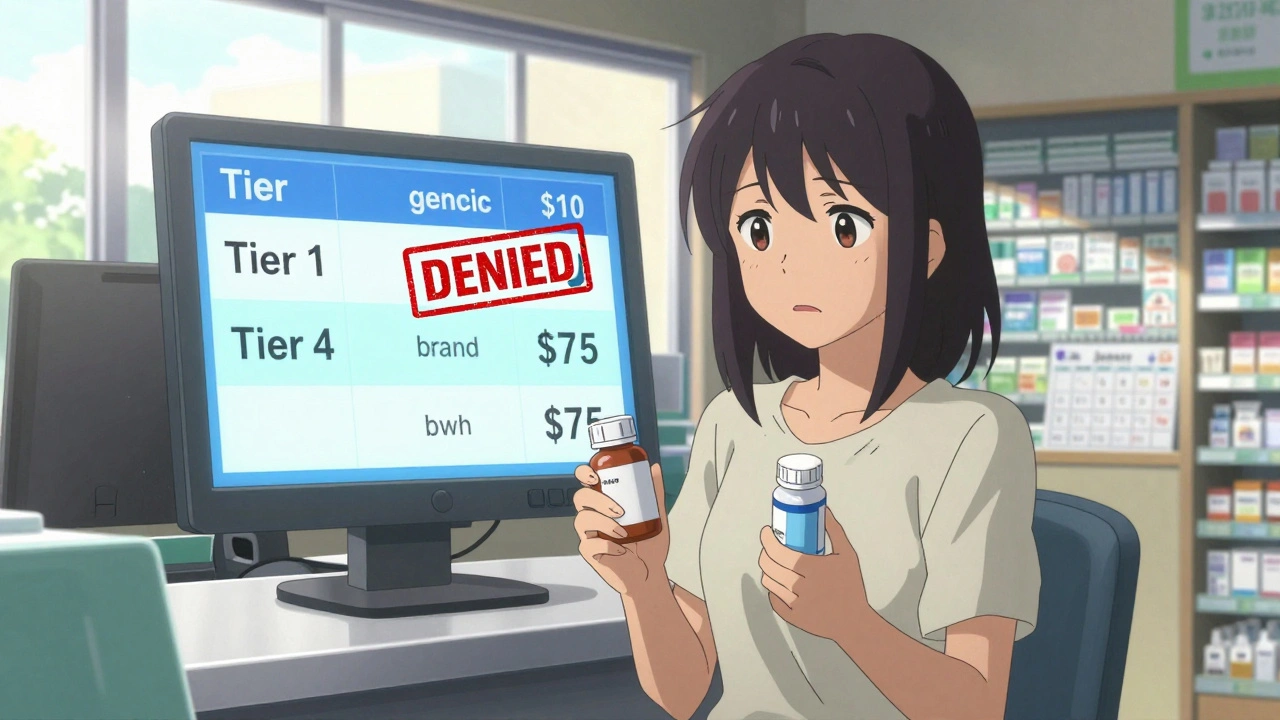
Employer health plans use tiered formularies to push generic drugs and cut costs-but the savings don't always reach you. Learn how formularies work, why drugs get dropped, and what you can do to protect your coverage.
Jan 4 2026

Mar 8 2026

Dec 24 2025

Sep 20 2025

Jan 14 2026