Lady Era vs Sildenafil Alternatives: Complete Comparison Guide
Oct 6 2025

When someone stops taking their medicine—even just once—it’s not laziness. It’s often fear, cost, confusion, or side effects. Drug noncompliance, the act of not taking medication as prescribed. Also known as nonadherence, it’s one of the biggest reasons treatments fail, hospitalizations rise, and health gets worse. This isn’t just about forgetting pills. It’s about people choosing between rent and refills, or stopping statins because their muscles ache, or skipping antibiotics because they feel better after three days. The system assumes compliance is a choice. It’s not. It’s a design flaw.
Polypharmacy, taking five or more medications at once makes noncompliance worse. Older adults, people with chronic conditions, and those managing multiple doctors are caught in a web of confusing schedules, conflicting instructions, and scary side effects. Medication adherence, the degree to which a patient follows their prescribed treatment plan isn’t about willpower—it’s about clarity, support, and simplicity. Studies show that when patients understand why a drug matters and how to take it, adherence jumps. But most don’t get that help. They’re handed a prescription and told to figure it out.
And then there’s the side effects, unwanted physical reactions to a drug—the real reason so many quit. Muscle pain from statins? Nausea from antibiotics? Dizziness from blood pressure meds? People don’t tell their doctors. They think it’s normal. Or they’re afraid of being judged. Or they’ve been told to "just push through." But when you’re tired, confused, or in pain, skipping a pill feels like the only control you have left. The truth? Most side effects can be managed—without quitting the drug. But only if someone asks the right questions.
What you’ll find below isn’t theory. It’s real stories and real fixes. How to talk to your doctor without sounding like you’re complaining. How to spot hidden gluten in meds if you have celiac. Why vitamin D might help with statin pain. How to tell if your reaction is an allergy or just an intolerance. What to do when you’re on ten pills and can’t remember which is which. These posts don’t blame patients. They fix the system—step by step, pill by pill.
Dec
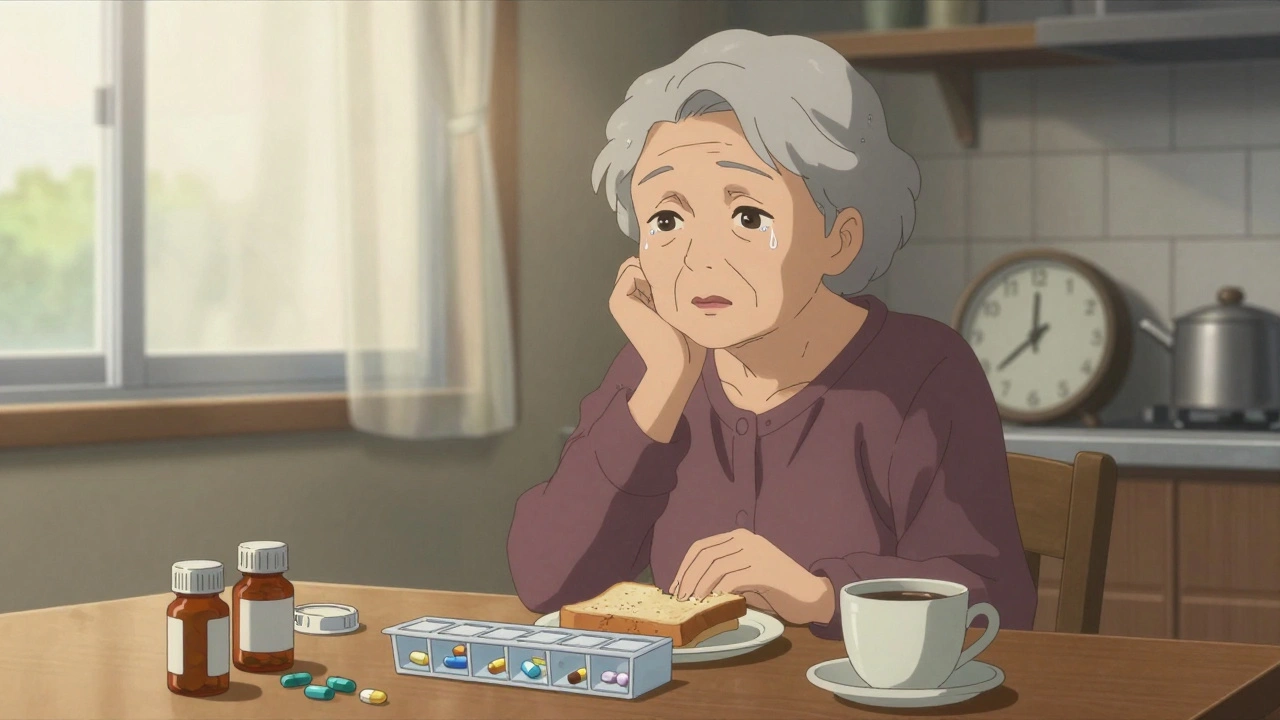
Skipping your prescribed meds may seem harmless, but it leads to preventable deaths, hospitalizations, and billions in avoidable healthcare costs. Learn the real risks and what you can do today.
Oct 6 2025
Nov 13 2025

Jul 18 2025
Jan 12 2026
Jan 3 2026