Safe Relief for Anal Itching from Insect Bites During Pregnancy
Oct 12 2025

When your body holds onto too much fluid, it can make you feel bloated, swollen, or even short of breath. That’s where diuretics, medications that help your kidneys remove extra salt and water from your body. Also known as water pills, they’re one of the most common treatments for high blood pressure, heart failure, and swelling in the legs or abdomen. You might not think much about them until you start taking one—then suddenly you’re running to the bathroom more often. But there’s more to diuretics than just frequent urination.
There are different kinds of diuretics, and they don’t all work the same way. loop diuretics, like furosemide, act fast and are often used for severe fluid buildup. thiazide diuretics, such as hydrochlorothiazide, are milder and usually the first choice for high blood pressure. Then there are potassium-sparing diuretics, like spironolactone, that help you keep potassium while still flushing out fluid. Each has its own risks and benefits. Some can make you dizzy if you lose too much fluid. Others might mess with your electrolytes or make you more sensitive to the sun. And if you’re on other meds—like blood pressure pills, NSAIDs, or heart drugs—diuretics can interact in ways you don’t expect.
People often stop taking diuretics because they hate the constant need to pee, or they think the side effects aren’t worth it. But skipping them can lead to worse problems—fluid backing up into the lungs, higher blood pressure, or even hospital visits. The key isn’t to avoid them, but to use them right. Tracking how much you drink, when you take your pill, and how you feel each day helps you and your doctor adjust things safely. Many of the posts below show real stories: someone who learned to time their diuretic so they don’t wake up at night, another who fixed low potassium with diet changes, or someone who discovered their swelling wasn’t from heart issues at all.
What you’ll find here isn’t just textbook info. It’s what people actually deal with—how to talk to your doctor about side effects, how to spot dangerous reactions, how to avoid interactions with other meds, and how to manage diuretics when you’re on multiple prescriptions. Whether you’re just starting out or have been taking them for years, these posts give you the real talk you won’t get from a pamphlet.
Dec
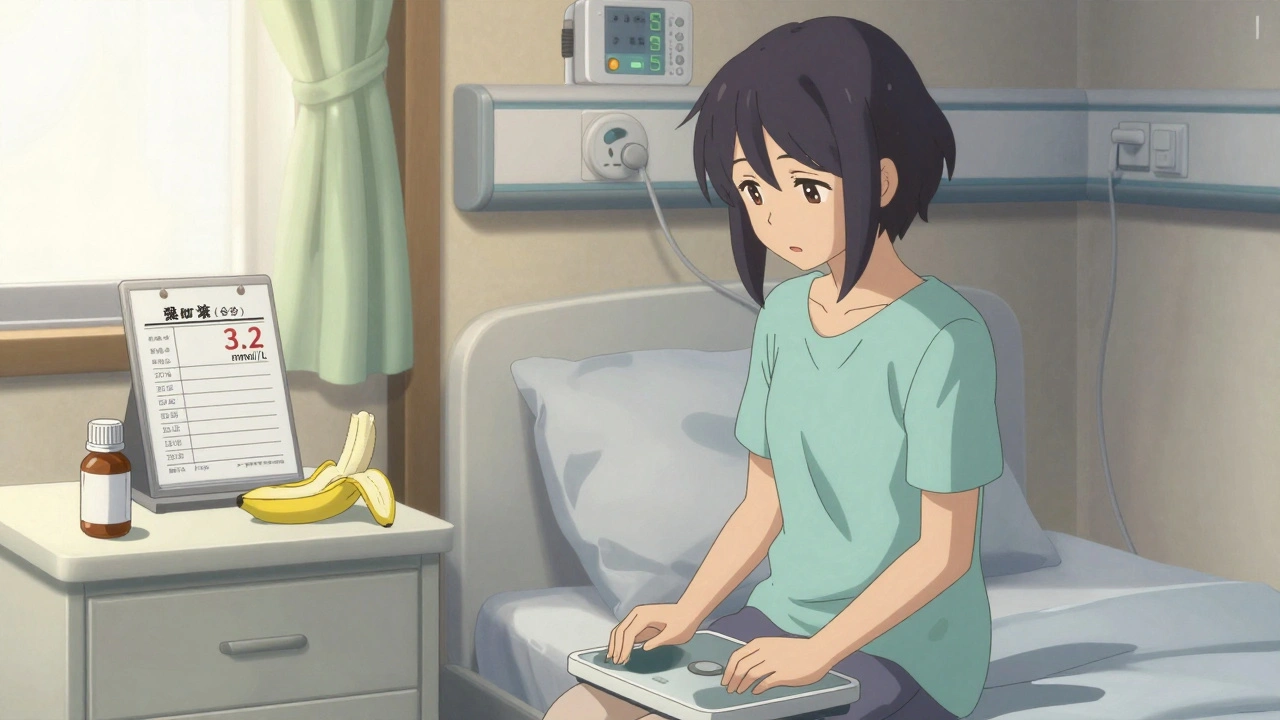
Diuretics help manage fluid in heart failure but often cause dangerous low potassium. Learn how to prevent and treat hypokalemia with proven strategies like potassium supplements, MRAs, and SGLT2 inhibitors.

Oct 12 2025

Dec 4 2025

Nov 19 2025

Dec 20 2025

Dec 23 2025