
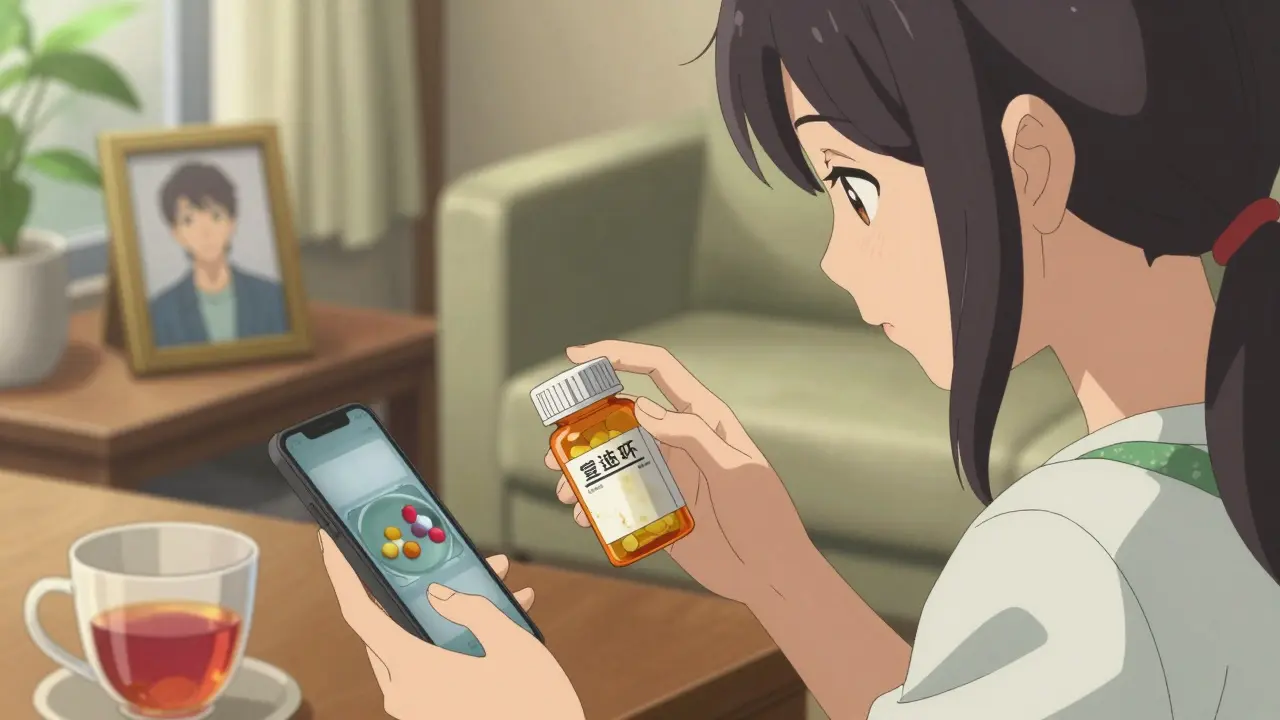
Every year, millions of people around the world take medicine they think is real-only to find out later it was fake. These aren’t just poor-quality copies. Counterfeit drugs can contain no active ingredient at all, the wrong dose, toxic chemicals, or even rat poison. And they’re getting harder to tell apart from the real thing.
You might think this only happens in faraway countries or on shady websites. But it’s happening closer than you think. In the UK and US, over 80% of counterfeit medicines are sold online, often disguised as deals from "pharmacies" that look official. A 2023 FDA report found that 18% of people who bought pills online without checking credentials ended up with side effects linked to fake drugs. The scary part? Most of them didn’t know what to look for.
What Exactly Is a Counterfeit Drug?
A counterfeit drug isn’t just a knockoff. It’s any medicine that’s been deliberately mislabeled-whether about its source, ingredients, or strength. It could be a real pill in a fake box. Or a fake pill in a real-looking box. Some contain too much of the active ingredient. Others have none at all. A 2023 WHO study found that in low-income countries, 1 in 3 medicines sold is counterfeit. Even in places like the UK and US, where regulation is strong, 1 in 100 medicines still turns out to be fake.
Counterfeiters don’t just target expensive cancer drugs. They go after common ones too: antibiotics, blood pressure pills, diabetes meds, and even painkillers. In 2024, a batch of fake metformin (a common diabetes drug) was found in the US with traces of a toxic chemical linked to kidney damage. Patients who took it didn’t know until they ended up in the hospital.
Why Your Eyes Are Your Best Defense
Technology helps-like QR codes, serial numbers, and blockchain tracking-but none of it works if you don’t know how to use it. The truth is, no scanner or app can replace your own eyes. A 2022 study in the Journal of Patient Safety found that patients who checked their medicine carefully could spot 70-80% of counterfeits just by looking.
Here’s what to check every time you pick up a new prescription or buy over-the-counter pills:
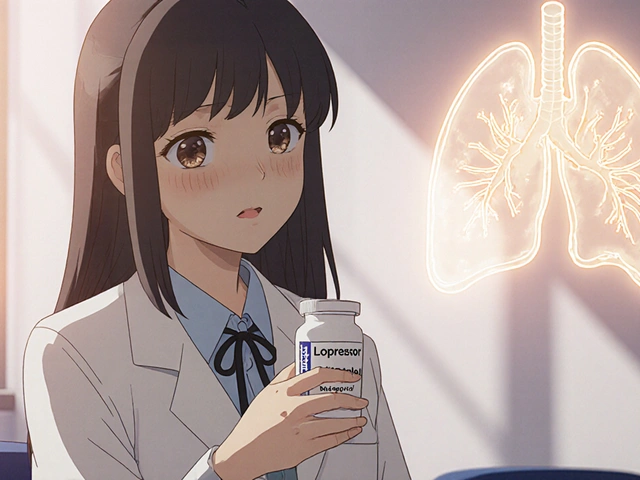
- Packaging: Is the box crumpled? Are the colors dull or mismatched? Are there spelling mistakes? Even one wrong letter-like "Lipitor" written as "Liptor"-is a red flag.
- Seals: Is the blister pack sealed? Is the outer box sealed with tamper-evident tape? If the seal is broken or missing, don’t take it.
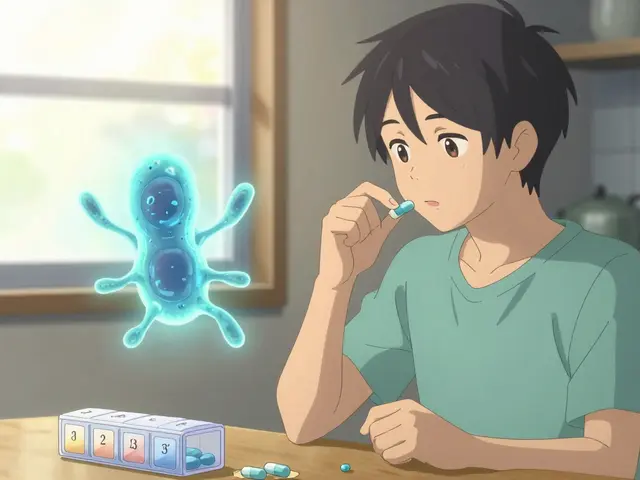
- Tablets or capsules: Do they look different from your last bottle? Same shape? Same color? Same markings? If your usual 50mg metoprolol tablet has "M 50" stamped on it, and this one says "M 55," something’s wrong.
- Expiration date: Is it too close to today? Or worse-has it expired? Fake drugs often have fake dates printed over old ones.
- Smell and texture: Does it smell odd? Does it crumble in your fingers? Real pills are made to last. If it feels chalky or smells like plastic, walk away.
One woman in Bristol, Maria Silva, noticed her husband’s new blood pressure pills looked slightly off-the color was lighter, and the imprint was blurry. She called the pharmacy. They confirmed it was fake. She saved his life.
Where You Buy Matters More Than You Think
Over 89% of counterfeit medicines come from online sources that aren’t licensed, according to Pfizer’s 2023 safety report. The problem? Many fake websites look real. They have professional designs, fake reviews, and even fake phone numbers.
Here’s how to know if an online pharmacy is legit:
- Look for the .pharmacy domain. Only verified pharmacies can use it. If the site ends in .com, .net, or .xyz, it’s not safe.
- Check if it requires a prescription. Legit pharmacies won’t sell strong meds without one.
- See if they list a physical address and a real phone number you can call.
- Use the NABP’s Vetted Pharmacy List (you can search it on your phone).
And never buy from social media. Instagram ads promising "discounted Viagra" or "cheap insulin" are almost always fake. The FDA tracked over 12,000 complaints in 2023 under the hashtag #FakeMeds-most from people who bought from Instagram or Facebook sellers.
What to Do If You Spot Something Suspicious
If you think you’ve been given a fake drug, don’t just throw it away. Report it.
- In the UK: Contact the Medicines and Healthcare products Regulatory Agency (MHRA) via their Yellow Card system. You can do it online in under 5 minutes.
- In the US: Report to the FDA through their MedWatch portal or call 1-800-FDA-1088.
- Save the packaging and the pills. Take a photo. Even if you’ve already taken some, keep what’s left.
Pfizer says over 14,000 consumer reports in 2023 led to 217 counterfeit operations being shut down across 116 countries. That’s 3.2 million dangerous doses kept off the streets-all because someone spoke up.
What’s New in the Fight Against Fakes
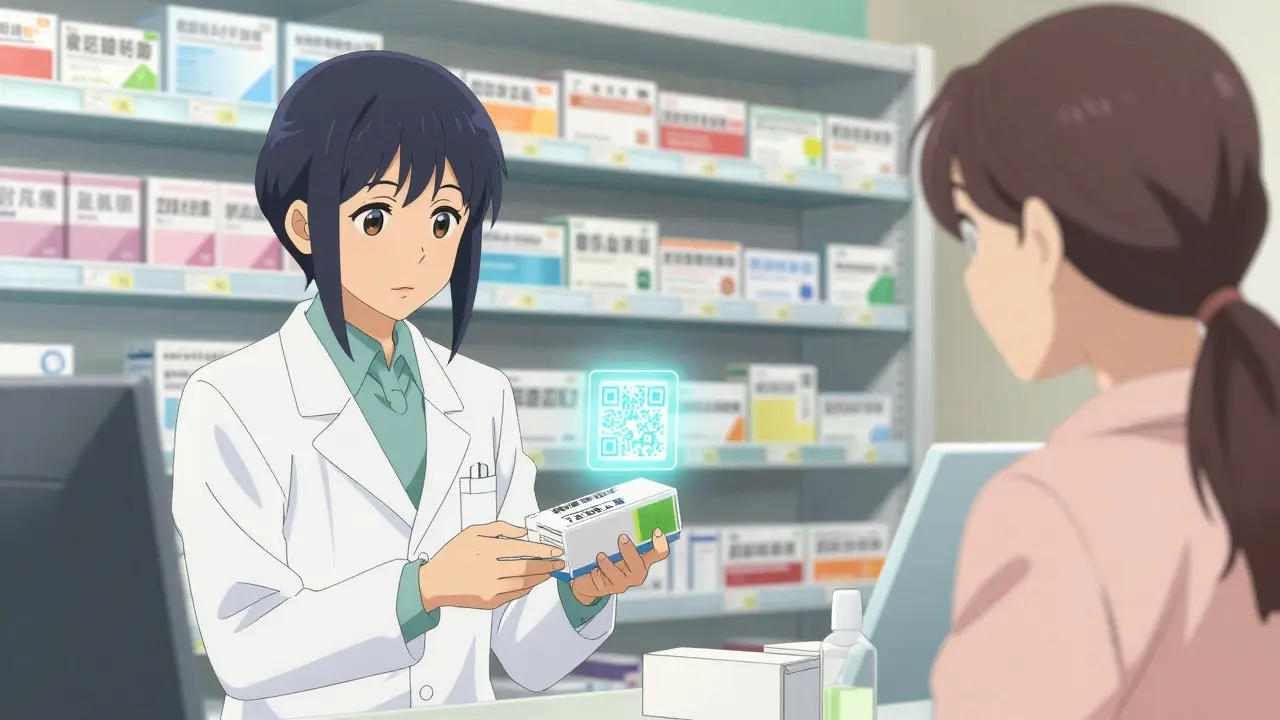
Technology is catching up. In France, since early 2024, medicine leaflets are no longer printed. Instead, you scan a QR code on the box to see the official information. In Brazil, a similar system launched in June 2024, and 63% of users are now checking it before taking their pills.
India started a blockchain pilot in April 2024 that lets you scan a pill’s code and see its entire journey-from factory to pharmacy. It’s still new, but it’s a step forward.
But here’s the catch: these tools only work if you know they exist. Most people don’t. A Reddit thread in March 2024 showed only 28% of 1,200 respondents even knew what serialization meant. And 63% couldn’t find the unique code on their medicine box-even though it’s been required in Europe since 2019.
The Hard Truth: Vigilance Isn’t Fair, But It’s Necessary
Some experts argue it’s unfair to put this burden on patients, especially in poor countries where fake drugs are common and real ones are expensive. In parts of Africa and Southeast Asia, up to 30% of medicines are fake. And many people have no choice but to buy from street vendors.
But here’s the reality: until governments fix supply chains everywhere, your vigilance is the last line of defense. You can’t control the system-but you can control what you bring home.
It’s not about being paranoid. It’s about being informed. The fake drug industry makes $200 billion a year. They’re not going away. But they can’t thrive if you stop buying from them-and if you speak up when you see something wrong.
Simple Steps to Stay Safe
Here’s what you can do right now:
- Always buy from licensed pharmacies-physical or online with a .pharmacy domain.
- Check your medicine every time, even if it’s from the same pharmacy. Counterfeiters change their tricks.
- Use the WHO’s free Medicines Safety app (downloaded over 850,000 times). It shows you what real pills should look like.
- Ask your pharmacist to scan the serial code if you’re unsure. They’re trained to do it.
- Report anything suspicious. Your report could save someone else’s life.
It takes three or four times buying medicine before you start noticing the small things. But once you do, you’ll never look at a pill the same way again.
How can I tell if my medicine is fake just by looking at it?
Look for inconsistencies in the packaging-spelling errors, mismatched colors, or loose seals. Check the pills themselves: are they the right color, shape, and imprint? Compare them to your last batch. If they look different, don’t take them. Fake medicines often have blurry lettering, odd smells, or crumble easily. The WHO’s Medicines Safety app has photos of real vs. fake versions of common drugs to help you compare.
Are online pharmacies ever safe to use?
Yes-but only if they’re verified. Look for the .pharmacy domain in the website address. Avoid sites that sell prescription drugs without a prescription, don’t list a physical address, or offer "miracle cures" at crazy low prices. The National Association of Boards of Pharmacy (NABP) has a list of verified online pharmacies you can check before buying. Never buy from social media, Amazon, or eBay sellers claiming to sell medicine.
What should I do if I already took a fake pill?
Stop taking the medicine immediately. Contact your doctor or pharmacist and tell them what happened. If you feel unwell, seek medical help right away. Save the packaging and any remaining pills-this helps authorities track the source. Report it to your country’s health regulator (like the MHRA in the UK or the FDA in the US). Even if you feel fine, fake pills can cause delayed harm, especially with antibiotics or heart meds.
Do all legitimate medicines have serial numbers now?
In the UK and EU, yes-since February 2019, all prescription medicines must have a unique serial number and a tamper-proof seal. You can scan it at the pharmacy using a special reader. In the US, the system is rolling out gradually. Not all drugs have it yet, but most new prescriptions will. If you don’t see a code, ask your pharmacist. They’re required to verify it if it’s there.
Can counterfeit drugs be dangerous even if they look real?
Absolutely. Some counterfeits look perfect-same packaging, same barcode, even same serial numbers. But inside, they might have no active ingredient, the wrong chemical, or toxic fillers. A 2023 study found that 73% of fake pills now pass basic visual checks. That’s why scanning codes and reporting suspicious products matters. Your eyes can catch 70-80% of fakes, but not all. Technology and human vigilance must work together.
Is patient vigilance really effective, or is it just a myth?
It’s not a myth-it’s proven. Pfizer reported that consumer reports led to 217 counterfeit operations being shut down in 2023. A 2022 study showed patients who checked their meds could spot 70-80% of counterfeits. In Thailand, a nationwide education campaign reduced fake medicine use by 37% in two years. The problem isn’t that vigilance doesn’t work-it’s that most people don’t know how to do it. Learning the basics takes just a few tries. Once you do, you’ll notice red flags you never saw before.
Final Thought: Your Life Is Worth the Check
You wouldn’t buy a car without checking the engine. You wouldn’t eat food from a stranger’s backpack. So why take a pill without looking at it? Fake medicines don’t care if you’re rich or poor, young or old. They only care if you’re careless.
Spending 30 seconds checking your medicine isn’t paranoia. It’s responsibility. And it might just save your life-or someone else’s.

Comments
George Bridges
Just picked up my metoprolol this week and checked the imprint-M 50, same as always. Good reminder to never assume. I’ve seen packaging errors before, but never thought it could be fake until now.
Rebekah Cobbson
My mom took a fake blood pressure pill last year-thought it was just a bad batch. She ended up in the ER. Now I check every pill with her. It takes 30 seconds. Worth it.
Sonal Guha
Stop pretending vigilance is enough. The system is broken. People in Nigeria and India buy meds from street vendors because they can’t afford real ones. Blaming patients is lazy.
Jessica Bnouzalim
YES! I just downloaded the WHO app-game changer. I scanned my insulin box last night and it flagged a mismatch in the batch code. Called my pharmacy-they were horrified. Saved my life, honestly.
Alice Elanora Shepherd
For anyone in the UK: the MHRA Yellow Card system is incredibly simple. I reported a suspicious antibiotic pack last month-got an email confirmation within an hour. They even sent me a prepaid envelope to return the pills. This system works.
steve ker
Everyone’s overreacting. If you’re dumb enough to buy pills off Instagram, you deserve what you get.
laura manning
While the article is well-intentioned, it fails to address the structural inequities that render patient vigilance a privilege, not a universal responsibility. The onus is disproportionately placed on the economically vulnerable, while regulatory bodies remain underfunded and under-resourced.
Sumit Sharma
Serialization is mandatory in the EU since 2019, yet 63% of users can’t locate the code? That’s not ignorance-it’s systemic failure in public health literacy. We need mandatory pharmacist-led education at point of dispensing, not just apps.
Lawrence Jung
It’s not about fake pills it’s about trust. We’ve been conditioned to believe in institutions that profit from our compliance. The real counterfeit is the belief that medicine should be a commodity
Bryan Wolfe
Just shared this with my whole family-parents, siblings, even my 70-year-old aunt. She’s now checking every pill with her reading glasses and a flashlight. That’s the power of good info. Keep spreading it.
Audu ikhlas
USA and UK got it easy. In Nigeria we buy from roadside stalls because hospitals dont have meds. You think i care about packaging when my kid needs antibiotics? Stop preaching to the poor
TiM Vince
My cousin in Lagos buys insulin from a pharmacy that uses a .pharmacy domain-she found it through a local NGO’s verified list. It’s not perfect, but it’s something. We need more grassroots solutions like this.
Jay Powers
One of my patients told me she checks her pills by comparing them to the photos on the WHO app. She said it felt weird at first but now it’s routine. That’s the kind of change we need-small habits, big impact
Christina Widodo
Wait-so if the QR code on my blood pressure pill links to a PDF with the same info as the paper leaflet… why does it matter? Is it just for tracking or is there a real safety benefit?