
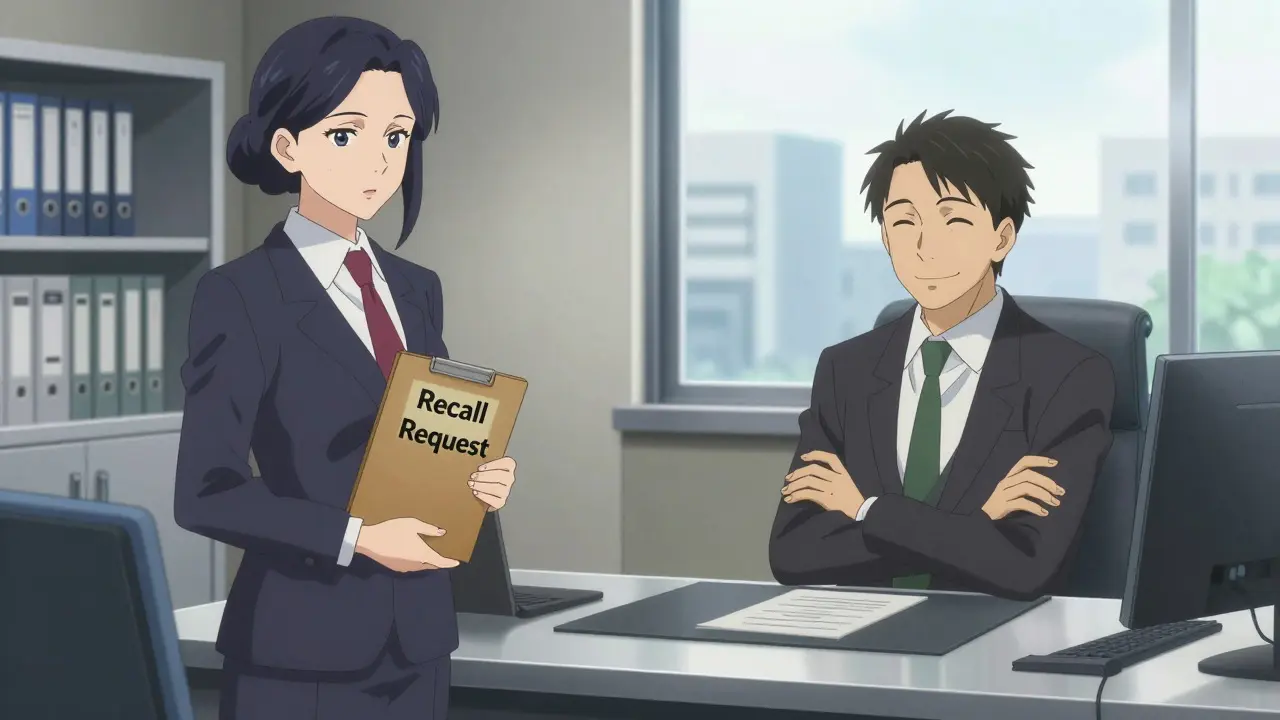
Have you ever wondered who actually has the power to yank a dangerous medication off your pharmacy shelf? It sounds like the FDA is the federal agency responsible for protecting public health by ensuring the safety of drugs and medical products. The agency monitors everything from prescription pills to over-the-counter remedies. But here is the twist that surprises most people: in almost every case, the FDA cannot legally force a company to pull a drug. Instead, they have to ask nicely-and if the company says no, the FDA has to go to court. This unique legal setup defines how unsafe meds are removed from the market today.
The Legal Reality: Voluntary vs. Mandatory Power
To understand why a bad drug might stay on the shelf longer than you think, you need to look at the Federal Food, Drug, and Cosmetic Act (FD&C Act) is the primary law governing the regulation of food, drugs, and cosmetics in the United States. Passed in 1938, it established the foundation for modern drug safety oversight. Under this act, the FDA’s authority over pharmaceuticals is largely persuasive rather than coercive. According to data from the National Center for Biotechnology Information (NCBI), the FDA lacks direct statutory authority to mandate a drug withdrawal. They can request it. They can pressure it. But they cannot order it.
This creates a system where manufacturers hold the keys. When a safety issue arises, the FDA investigates and issues a recall request. The manufacturer then decides whether to comply. In nearly all cases-about 99.7% according to FDA Deputy Commissioner Janet Woodcock-they do. Why? Because staying silent is business suicide. If the FDA announces a deadly side effect and the company ignores it, regulators can seize inventory, ban executives from the industry, or pursue criminal charges. As Dr. Caleb Alexander from Johns Hopkins University explained, the FDA makes it "untenable" for manufacturers to keep selling unsafe drugs, even without a direct order.
However, there is a major exception. If the drug involves controlled substances or falls under specific biologic regulations, the rules get tighter. More importantly, the FDA does have mandatory recall power for medical devices under 21 CFR 810. If a pacemaker or insulin pump poses a death risk, the FDA can force a recall immediately. This asymmetry between drugs and devices often confuses patients and healthcare providers alike.
How Recalls Are Classified: The Three Tiers
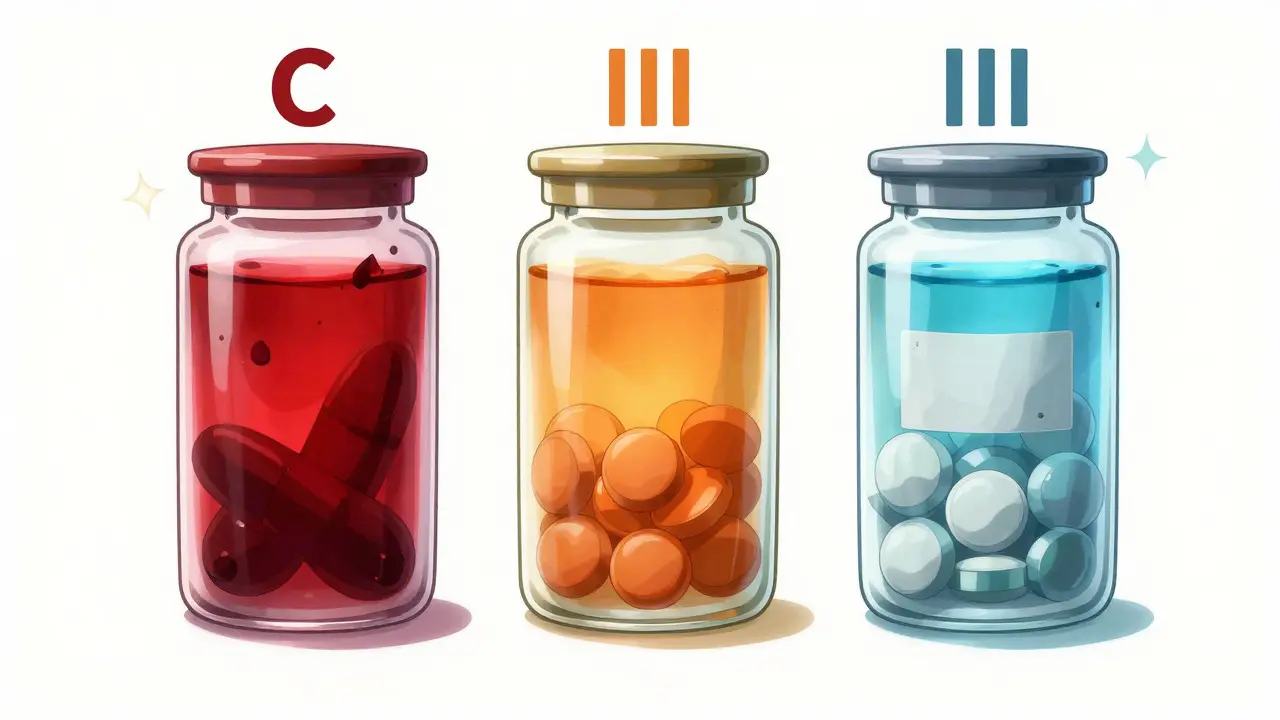
Not all recalls are created equal. The FDA uses a three-tier classification system defined in 21 CFR Part 7 to determine the urgency and depth of the removal process. Understanding these classes helps you gauge how serious a news headline about a drug really is.
| Recall Class | Definition | Typical Frequency |
|---|---|---|
| Class I | Reasonable probability of serious adverse health consequences or death. | ~2.1% of all recalls (Highest Priority) |
| Class II | May cause temporary or medically reversible adverse health consequences; serious risk is remote. | ~68.7% of all recalls (Most Common) |
| Class III | Unlikely to cause adverse health consequences (e.g., labeling errors, packaging defects). | ~29.2% of all recalls |
A Class I recall is the big one. Think contamination with a carcinogen or a lethal dose error. These require immediate action. The FDA expects manufacturers to notify distributors within 24 hours-a tightening of the previous 72-hour rule. A Class II recall is more common. Maybe a pill contains slightly too much active ingredient, causing nausea but not death. A Class III recall is often administrative, like a typo in the patient instructions. While less scary, these still matter because misinformation can lead to misuse.
The Step-by-Step Process of Removing Unsafe Meds
So, what actually happens when a problem is detected? The process usually starts with one of two triggers: mandatory stability testing by the manufacturer or a spike in adverse event reports via the MedWatch program is the FDA's official reporting system for adverse events and product quality problems associated with FDA-regulated products. It allows consumers and healthcare professionals to report negative experiences with medications. In 2022 alone, MedWatch received 1.2 million reports. Analysts scan these for patterns. If a new rash appears in 500 patients taking Drug X, the alarm bells ring.
- Detection & Investigation: The FDA reviews data. If the risk is confirmed, they contact the manufacturer.
- Voluntary Agreement: The FDA proposes a recall strategy. The manufacturer agrees to the scope (depth) and method.
- Notification: The manufacturer notifies wholesalers, pharmacies, and hospitals. For Class I recalls, this often extends to individual patients.
- Retrieval: Products are pulled from shelves and returned to the manufacturer for destruction or analysis.
- Effectiveness Checks: The FDA requires proof that the recall worked. Manufacturers must report back on how many units were recovered.
If the manufacturer refuses step two, the FDA invokes Section 304 of the FD&C Act. This allows them to seek a federal court injunction to stop manufacturing or distribution. This legal battle can take weeks or months, which is exactly why critics argue the current system is flawed.
Why the System Is Under Fire: The Valsartan Case
You might ask, "If 99.7% of recalls are voluntary, why change anything?" The answer lies in the outliers. Consider the 2018 valsartan recall. Valsartan is a common blood pressure medication. Tests revealed it was contaminated with NDMA, a probable human carcinogen. The FDA issued alerts on June 8, 2018. By late June, major U.S. manufacturers had recalled affected lots. Sounds fast, right?
Not entirely. The contamination originated from Active Pharmaceutical Ingredients (APIs) made in China. International supply chain delays meant some batches lingered. Dr. Sidney Wolfe of Public Citizen testified that it took six months for full market withdrawal in some channels. During those six months, millions of patients were exposed to a cancer-causing agent. Had the FDA had mandatory recall authority, they could have shut down the distribution lines instantly, bypassing corporate hesitation or logistical bottlenecks.
This incident highlighted a critical vulnerability. While domestic companies cooperate quickly, global supply chains introduce friction. The failure to pass Section 604 of the FD&C Modernization Act of 2022-which would have granted mandatory recall powers-leaves this gap open. Industry groups like PhRMA argue the voluntary system works, citing only three enforcement actions needed between 2012 and 2022. But safety advocates counter that three failures are three too many when lives are at stake.
What This Means for Patients and Providers
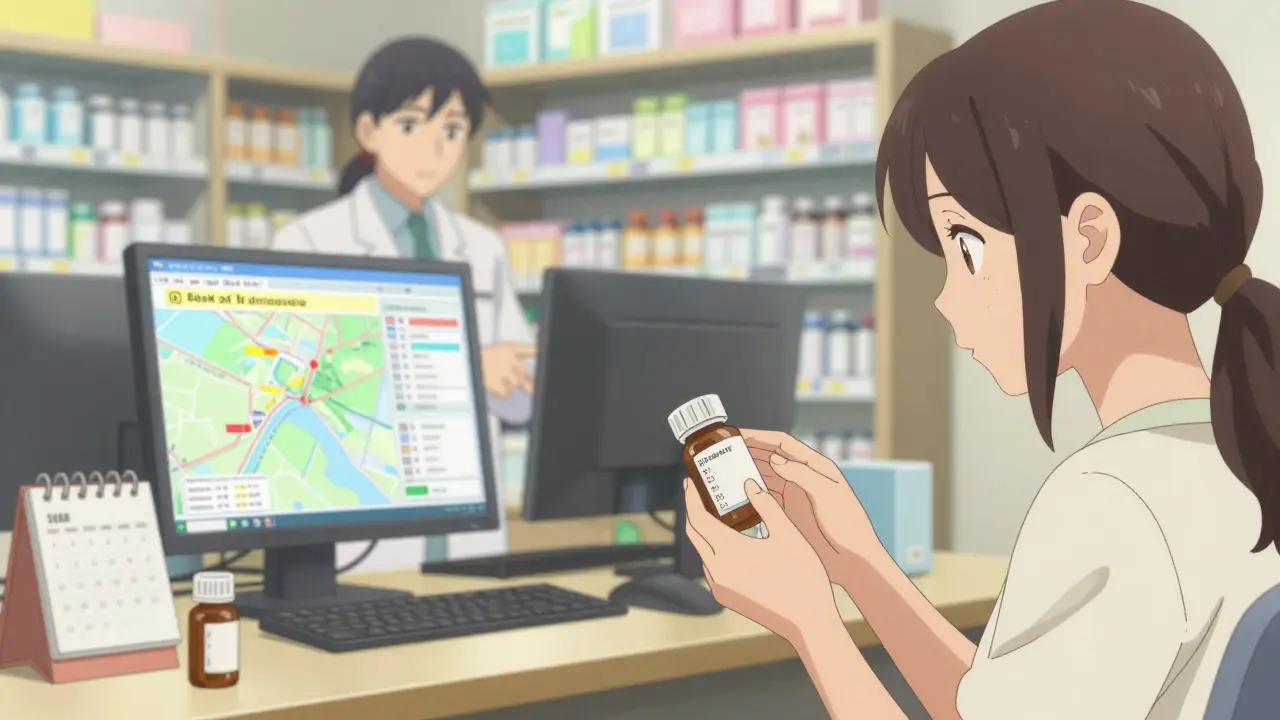
For you, the consumer, the lack of mandatory authority means vigilance is key. Pharmacists play a huge role here. According to the American Society of Health-System Pharmacists (ASHP), hospital pharmacies struggle with inconsistent lot numbering systems, making it hard to identify exactly which pills are bad. About 68% of pharmacy directors reported difficulties tracking affected products during recalls.
Here is how you can protect yourself:
- Check the Lot Number: Don't just look at the drug name. Recalls target specific production batches. Keep your empty boxes until you finish the course.
- Monitor Official Sources: Rely on the FDA’s Safety Alerts page or your pharmacist’s notification. Social media rumors often exaggerate or misidentify risks.
- Ask Your Pharmacist: If you see a news story about a recall, call your pharmacy. They have access to real-time inventory checks to see if your specific bottle is involved.
The drug recall management industry has grown to $287 million as hospitals invest in software to track these issues faster. Companies like Recall Masters help automate the matching of lot numbers to patient records, reducing the average delay in patient notification from 3.7 days to near zero in well-equipped facilities.
Future Outlook: Will Laws Change?
The debate isn't over. The proposed PREVENT Pandemics Act includes Section 3103, which aims to give the FDA explicit authority to order mandatory recalls for drugs and biologics. However, pharmaceutical lobbying remains strong. In Q2 2023 alone, PhRMA spent $8.2 million opposing such measures. They argue that mandatory recalls could disrupt supply chains unnecessarily, leading to drug shortages-a valid concern given recent history.
Until Congress acts, the status quo remains: a partnership based on threat rather than command. The FDA watches, warns, and waits. Most companies comply because they must. But for that tiny fraction that doesn’t, the legal machinery grinds slowly, leaving patients in the crossfire. Knowing this reality empowers you to stay informed and proactive about the medications you take.
Can the FDA force a company to recall a drug?
Generally, no. Under the Federal Food, Drug, and Cosmetic Act, the FDA can only request a voluntary recall for most drugs. They can only mandate a recall through a court injunction if the manufacturer refuses, which takes time. However, the FDA does have mandatory recall authority for medical devices.
What is the difference between Class I, II, and III recalls?
Class I recalls involve a reasonable probability of serious health consequences or death (most severe). Class II recalls may cause temporary or reversible health issues. Class III recalls are unlikely to cause adverse health effects, often involving labeling or packaging errors.
How do I know if my medication is part of a recall?
Check the lot number on your medication bottle against the FDA’s official recall announcements. You can also contact your pharmacist, who has access to real-time recall databases and can verify if your specific batch is affected.
Why does the FDA have more power over devices than drugs?
The Medical Device Amendments of 1976 granted the FDA stronger enforcement powers for devices compared to the original 1938 FD&C Act provisions for drugs. This regulatory distinction allows the FDA to directly mandate device recalls under 21 CFR 810.
What happens if a manufacturer refuses a voluntary recall?
If a manufacturer refuses, the FDA must pursue legal remedies under Section 304 of the FD&C Act. This involves seeking a federal court injunction to halt manufacturing or distribution. This process can be slow, potentially delaying the removal of unsafe products from the market.



Comments
Autumn LW
It is truly pathetic that we still rely on the 'polite request' model for public safety. The FDA is essentially a glorified suggestion box with a budget. If you think this system works, you haven't been paying attention to the pharmaceutical industrial complex. They hold all the cards because Congress is too busy kissing corporate rings to pass actual legislation. It’s not just inefficient; it’s morally bankrupt.
Paul Lyons
This is exactly what happens when you outsource your sovereignty to global supply chains! China makes the ingredients, American companies bottle them, and the FDA has no teeth? Pathetic. We need to bring manufacturing back home and give the government real power before we lose our health entirely. This isn't about regulation; it's about national security and keeping our people safe from foreign contaminants.
Crystal Tadlock
They are lying to us all. The voluntary recall thing is just a cover up so they can hide the bad batches until the statute of limitations runs out. I bet the executives know exactly which pills are poisoned and just wait for the news cycle to die down. Trust nothing. Buy organic or don't buy at all. The whole system is rigged against the little guy.
Scott Colter
One must consider the philosophical implications of trust in modern institutions. When the mechanism of enforcement is merely persuasive rather than coercive, does the authority exist at all? It seems we have created a paradox where the regulator is subordinate to the regulated. This dynamic suggests that our societal contract is fraying at the edges, leaving the individual to navigate a labyrinth of corporate benevolence. It is a precarious existence indeed.
Deva Vidya
I actually found this really interesting! It’s good to know that while the system isn’t perfect, there are steps we can take like checking lot numbers. It feels empowering to know what to look for instead of just worrying. Let’s stay informed and support each other in keeping our communities safe. We can make a difference by being proactive!
MiMi Stanley
I always keep my empty pill boxes now after reading similar articles. It’s a small habit but it gives me peace of mind knowing I can verify if my specific batch was affected. I wonder how many people actually do this versus just throwing everything away immediately.
Najmunisa Govender
Oh my goodness!! This is such scary information!!! I had no idea that the FDA couldn't just force them to stop selling dangerous drugs!!! What if someone gets sick??? Why is it taking so long to fix this??? We need better protection!!!
Sean Allwurden
The regulatory framework here is fascinating from a risk management perspective. The distinction between Class I and Class II recalls dictates the operational response protocols for pharmacy logistics. Most hospital systems utilize automated dispensing cabinets that can flag specific NDCs and lot numbers instantly. However, the lag time in data propagation from the manufacturer to the end-user remains a critical vulnerability in the supply chain integrity matrix.
Tad Cronn
You’re missing the point. The issue isn’t just the law; it’s the human element. Pharmacists are overworked and underpaid. They don’t have time to check every single lot number manually unless the software forces them to. And the software is often outdated. Blame the FDA all you want, but the bottleneck is usually the tired person behind the counter who just wants to go home. Also, why are you even taking prescription meds if you’re so worried?
Katie Caruthers
It makes me so angry that corporations get to play games with our lives. My cousin got sick from a recalled drug and no one told him until it was too late. How is that fair? We pay for these drugs, we suffer the side effects, and then they say 'oops' and ask nicely for forgiveness? It’s disgusting. Someone should be held accountable for every single case.
Vineet Hawelia
The article provides a comprehensive overview of the current legal landscape. It is important to note that the proposed PREVENT Pandemics Act aims to address these gaps. Until legislative changes occur, patients must remain vigilant regarding lot numbers and official FDA alerts. Thank you for sharing this informative piece.
ANINDA GHOSH
In India, we have seen similar challenges with generic drug quality. The cultural approach to medicine is different, but the fear of contamination is universal :) It is heartening to see such detailed analysis here. We must collaborate globally to ensure safety standards are met everywhere. Knowledge is power!