

Zinc Supplementation Calculator for Metallic Taste
The article explains that zinc supplementation can help alleviate metallic taste caused by medications. This calculator determines your appropriate zinc dosage based on science-backed guidelines from the article.
Your Results
Key Recommendations
• Take zinc with food to reduce stomach upset
• Use the lower end of recommended dosage if you have kidney issues
• Don't exceed 50mg daily without doctor's approval
• Take for 2-4 weeks for best results
• Recheck zinc levels if symptoms persist
Ever taken a pill and suddenly everything tastes like a penny? You’re not imagining it. This strange, persistent metallic taste - known as dysgeusia - is a real and surprisingly common side effect of many medications. It doesn’t just ruin your morning coffee or make your favorite meal unpalatable. It can lead to weight loss, poor nutrition, and even stopping your medicine altogether. And if you’re on multiple drugs, especially as you get older, the odds go up. About 11% of older adults taking several medications report serious taste problems. For those on chemotherapy, that number jumps to over half. The good news? There are real, science-backed ways to manage it - without quitting your treatment.
Why Medications Make Your Mouth Taste Like Metal
It’s not magic. It’s biology. When you take a pill, your body absorbs it. Some drugs then get secreted right into your saliva. That’s when the trouble starts. Certain medications directly interact with your taste buds, mess with the nerves that send taste signals to your brain, or change the way your saliva works. Saliva is crucial - it’s the liquid that carries flavors to your taste receptors. Less saliva? Blurry taste. Some drugs like SSRIs (fluoxetine, sertraline) dry out your mouth. Others, like antibiotics (amoxicillin, metronidazole), lower your zinc levels. Zinc isn’t just good for your immune system - your taste buds need it to function properly. No zinc? Your brain starts picking up weird signals, often interpreted as metal.Which Medications Are Most Likely to Cause This?
Not all drugs do this. But some are notorious. Antibiotics top the list - especially metronidazole (Flagyl), which has one of the highest rates. If you’ve taken it, you probably remember: everything tasted like burnt metal for days. Then there are blood pressure meds like ACE inhibitors (lisinopril, enalapril). Psychiatric drugs like lithium and some antidepressants. Even iron supplements and thyroid meds can trigger it. One of the most talked-about recent examples is Paxlovid. After the pandemic, thousands reported a metallic taste within hours of taking it. Pfizer’s own data shows nearly 6 in 10 users experienced it. It’s not just the drug itself - it’s how your body handles it. For some, the taste hits right after swallowing. For others, it builds over a few days. The timing often matches when the drug peaks in your bloodstream.How to Tell If It’s the Medicine - Not Something Else
Before you blame your pills, rule out other causes. Gum disease, sinus infections, or even just a cold can cause temporary taste changes. But there’s a clear sign it’s the medication: timing. If the metallic taste started within 24 to 72 hours after beginning a new drug - and it didn’t exist before - that’s a strong clue. It also tends to get worse right after you take your dose. Unlike infections, which fade in a week or two, drug-induced dysgeusia sticks around as long as you keep taking the medicine. Another clue? If you’ve been on the same drug for months and suddenly notice a change, maybe your body’s chemistry shifted, or you added another pill. Polypharmacy - taking five or more medications - is a major risk factor. Older adults are especially vulnerable because their kidneys and liver process drugs slower, letting more of the substance linger and affect taste.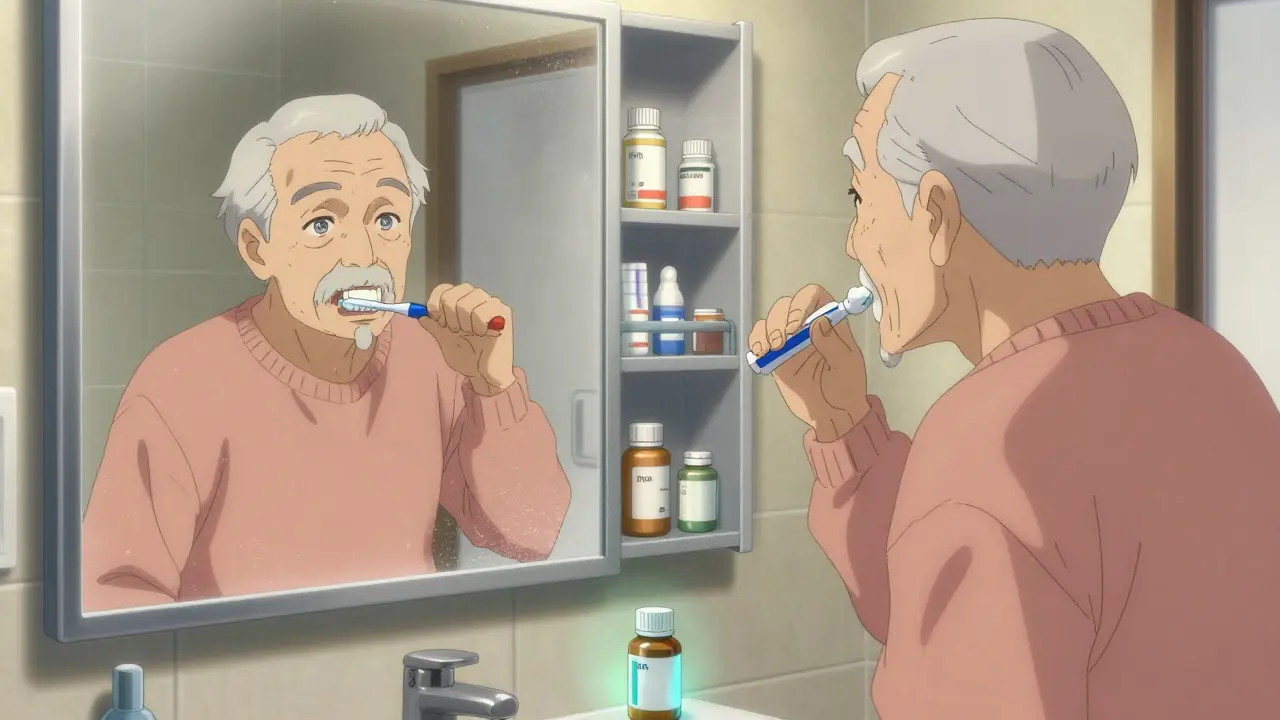
Proven Ways to Fight the Metallic Taste
There’s no one-size-fits-all fix, but several strategies work for most people. Start with simple, low-risk moves.- Switch your utensils. Use plastic or wooden spoons and forks instead of metal. Metal cutlery can react with your saliva and make the taste worse. It sounds small, but many patients report immediate relief.
- Try tart flavors. Suck on a lemon wedge or sip lemon water before eating. The sourness stimulates saliva and can temporarily override the metallic taste. Vinegar-based dressings or pickled foods work too.
- Marinate your food. Strong flavors like garlic, soy sauce, barbecue, or citrus marinades can mask the unpleasant taste. Grilled chicken with teriyaki sauce? Better than plain chicken. Spices like cumin, smoked paprika, or ginger help too.
- Brush with baking soda. Twice a day, use a toothpaste with baking soda. It neutralizes acids and may reduce the metallic sensation. Don’t forget flossing - plaque buildup can make things worse.
- Take meds with food. If your doctor says it’s safe, take your pill with a meal. For Paxlovid, taking it with a high-fat meal cut metallic taste complaints by nearly a third. Same goes for iron supplements - food helps your body absorb them better and reduces the amount that ends up in your saliva.
Zinc Supplementation: The Most Effective Fix?
This is where things get interesting. Zinc deficiency is a major player in taste loss - and it’s often overlooked. Studies show that up to 15% of older adults are low in zinc. If your medication is lowering your levels, supplementing can help. For chemotherapy patients, MD Anderson Cancer Center’s protocol uses 50 mg of zinc gluconate daily, starting before treatment and continuing for two weeks after. In their trial, 65% of patients saw improvement. For general medication-induced dysgeusia, the American Dental Association recommends trying 25-50 mg daily for 2-4 weeks. Don’t go over 50 mg without talking to your doctor - too much zinc can cause copper deficiency, nausea, or even weaken your immune system. Get your zinc levels checked first if you can. If you can’t, try the supplement. Many people notice a difference within a week.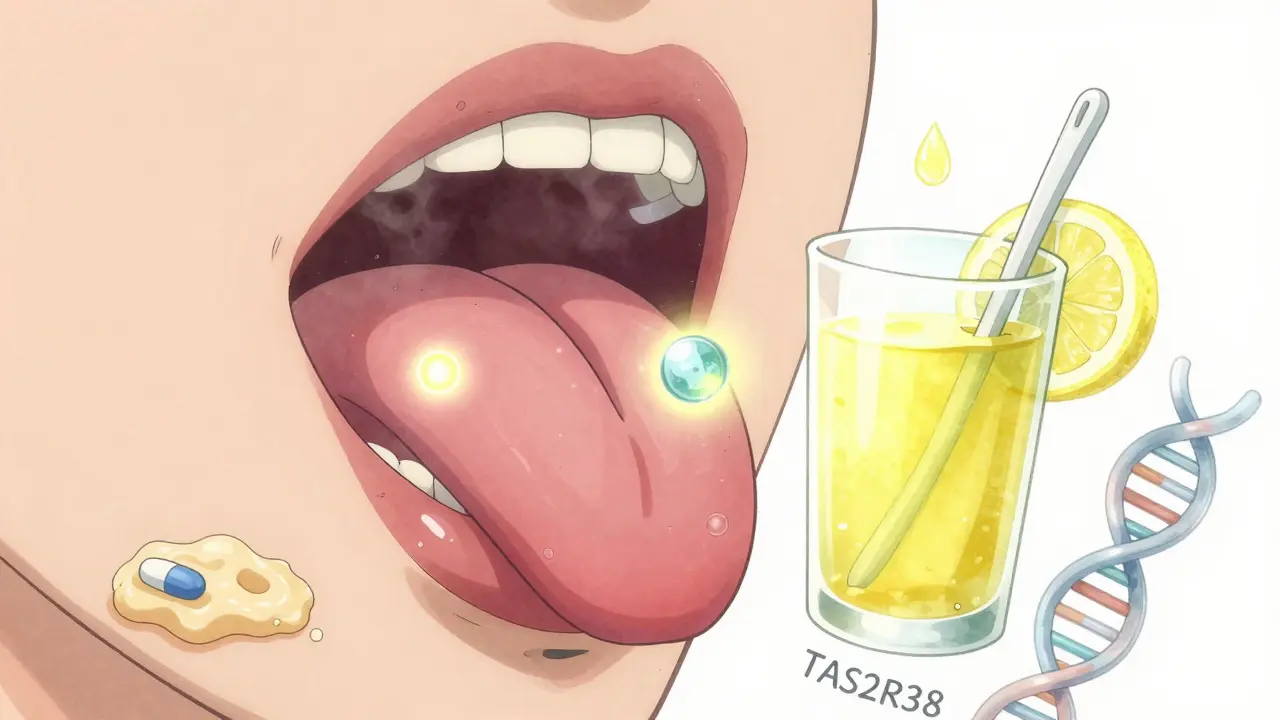
What Your Doctor Can Do
Don’t suffer in silence. Your doctor isn’t just there to prescribe - they can help adjust your treatment. If the taste is unbearable, ask: Is there another drug in the same class that doesn’t cause this? For example, if you’re on an ACE inhibitor and hate the metallic taste, switching to an ARB (like losartan) might help. If you’re on metronidazole and have an alternative antibiotic, that’s worth discussing. For long-term meds like lithium, newer formulations now use polymer coatings that reduce taste disruption by more than half. The FDA-approved version from Johnson & Johnson, released in early 2023, cut complaints from 68% to 23%. That’s a game-changer. And if you’re on multiple drugs, a pharmacist can review your regimen for interactions that might be worsening the problem. Don’t be afraid to ask for a medication review. It’s part of good care.When to Worry - And When to Wait
Most of the time, the metallic taste is annoying but harmless. It doesn’t mean your medicine isn’t working. But if you’re losing weight, avoiding entire food groups, or feeling depressed because you can’t enjoy meals anymore, it’s time to act. Chronic taste loss can lead to malnutrition - especially in older adults. Studies show taste-related side effects cause 17% of older patients to quit their meds early. That leads to hospitalizations, worse health outcomes, and higher costs. If you’ve been on the drug for more than four weeks and the taste hasn’t improved, it’s unlikely to go away on its own. Don’t wait. Talk to your doctor. Try the coping strategies. Consider zinc. If nothing helps, ask about alternatives. Your quality of life matters.What’s Next? New Treatments on the Horizon
Scientists are working on better solutions. In 2023, a new compound called Polaprezinc (zinc-carnosine) showed 40% better results than regular zinc in a European trial. Pharmaceutical companies are now using taste-masking tech - coatings, lipid delivery systems, and flavor-engineered pills - to hide unpleasant tastes before they even reach your tongue. One iron supplement using this tech cut metallic taste by 89%. And in early trials, low-level laser therapy applied to the tongue helped 55% of patients regain normal taste after 10 sessions. Even more exciting? Researchers have found specific genes (TAS2R38) that make some people more sensitive to bitter or metallic tastes. In the future, a simple genetic test might tell your doctor: Don’t give this drug to this patient. It’s not science fiction - it’s coming.How long does metallic taste from medication last?
It lasts as long as you’re taking the medication - unless you change the drug or use coping strategies. For most people, the taste fades within a few days to weeks after stopping the drug. If it’s linked to zinc deficiency, improvement can happen in 7-10 days with supplementation. For chemotherapy patients, it often improves after treatment ends, but some report lingering effects for months.
Can zinc supplements help with metallic taste from medication?
Yes - especially if your body’s zinc levels are low. Studies show that 50 mg of zinc gluconate daily improves taste perception in 60-65% of patients, including those on chemotherapy or antibiotics. For general cases, 25-50 mg daily for 2-4 weeks is recommended. Always check with your doctor first - too much zinc can cause side effects.
Is metallic taste dangerous?
The metallic taste itself isn’t dangerous, but it can lead to serious problems. If you stop eating healthy foods because everything tastes bad, you might lose weight, become malnourished, or develop nutrient deficiencies. It can also cause you to stop taking essential medications - which is far more dangerous than the taste.
Why does Paxlovid cause metallic taste?
Paxlovid (nirmatrelvir/ritonavir) is absorbed into the bloodstream and then secreted into saliva, where it directly interacts with taste receptors. Ritonavir, in particular, is known to alter taste signaling. About 58% of users report this side effect, often described as a bitter or metallic flavor that starts within 12 hours of the first dose. Taking it with food reduces the severity.
Should I stop my medication if I get metallic taste?
No - never stop a prescribed medication without talking to your doctor. The taste is a side effect, not a sign the drug isn’t working. Instead, try coping strategies like zinc supplements, tart foods, or switching utensils. Then schedule a follow-up. Your doctor can help you adjust the dose, switch to a different drug, or add a workaround.
If you’re dealing with this right now, you’re not alone. Millions do. And while it’s frustrating, it’s manageable. Start with the simplest fixes: change your fork, try lemon water, take your pill with food. If that doesn’t help, ask your doctor about zinc. You don’t have to live with a mouth full of pennies - there are better ways.





Comments
Darren Torpey
This is one of those posts that makes you go 'WHY HASN'T THIS BEEN SHARED MORE?!' 🤯 Seriously, I had no idea zinc deficiency could be behind this metallic mouth nightmare. I was on lisinopril for 6 months and thought I was just going crazy every time I ate cereal. Lemon water + plastic fork? Game. Changer. 🍋✨
Siri Elena
Oh honey, you’re telling me I didn’t imagine the taste of my own blood after taking Paxlovid? 😌 I thought I was dying. Or that my tongue had become a forgotten battery compartment. But hey, at least now I know it wasn’t just me… and that I can blame it on ritonavir instead of my ex. 🙃
Milad Jawabra
I’ve been there. Took metronidazole for H. pylori and everything tasted like a rusty pipe dream. I started sucking on sour gummies like a damn toddler. Worked better than any ‘science-backed’ advice. Also, stop using stainless steel cutlery. It’s not a fashion statement-it’s a torture device. Try bamboo. You’ll thank me.
Lebogang kekana
YOOOOO I WAS LIVING THIS. I thought I was losing my mind. Then I tried the zinc. 50mg. Day 3? Taste started coming back. Day 7? I ate a steak and cried. Not because it was good-because it tasted LIKE FOOD. Like actual, non-metallic, non-rust-flavored FOOD. 🥩😭 If you’re on meds and your mouth feels like a landfill, just try zinc. No cap. Do it.
Renee Jackson
Thank you for this comprehensive and clinically grounded overview. I am particularly encouraged by the data on Polaprezinc and the emerging pharmacogenomic research. For patients on polypharmacy regimens, a structured medication review by a clinical pharmacist is not merely advisable-it is a standard of care. The integration of taste preservation strategies into treatment plans represents a critical advancement in patient-centered medicine.
Mariah Carle
It’s fascinating how the body turns a simple pill into a sensory betrayal. The metallic taste isn’t just a side effect-it’s a metaphor. We swallow hope, and it comes back as copper. Maybe we’re not just treating disease… we’re negotiating with our senses. And our senses? They’re stubborn. They remember. They react. They taste.
Jessica Chaloux
I’ve been on sertraline for 3 years. The metallic taste? It’s the reason I stopped eating pizza. I used to love pizza. Now I cry into my tofu. 😭 I tried everything. Lemon. Zinc. Plastic spoons. Nothing worked. Then I started using peppermint toothpaste. And now… I can taste mint. And that’s enough. Sometimes, you just need one good flavor to feel human again.
RacRac Rachel
I’ve been using zinc gluconate (25mg daily) for two weeks now after starting a new beta-blocker. The metallic taste has decreased by 80%. I can taste coffee again. I can taste my oatmeal. I can taste joy. 🌞💛 Also, I switched to bamboo utensils. It’s not just practical-it’s eco-zen. Small changes. Big returns.
Raman Kapri
While the article presents compelling anecdotal evidence, it lacks rigorous peer-reviewed meta-analysis. The claim that 65% of chemotherapy patients improve with zinc supplementation is drawn from a single-center trial with a small cohort. Furthermore, the assertion that ‘plastic utensils reduce taste disruption’ has no controlled studies to support it. Correlation ≠ causation. Please cite primary sources before making sweeping recommendations.
Tildi Fletes
As a registered dietitian specializing in geriatric nutrition, I can confirm that dysgeusia is one of the most under-addressed contributors to malnutrition in older adults. The strategies outlined here are evidence-based and clinically actionable. I routinely recommend zinc supplementation (after serum level assessment), tart flavor stimulation, and meal texture modification. This post should be required reading for primary care providers.