Antihistamines for Hives: What Works, What Doesn’t, and What Comes Next
Feb 15 2026

When we talk about vitamin D, a fat-soluble nutrient your skin makes when exposed to sunlight, and also found in certain foods and supplements. Also known as the sunshine vitamin, it's not just about preventing rickets—it's critical for immune function, muscle strength, and even mood regulation. Most people don’t get enough, not because they’re lazy about supplements, but because modern life keeps them indoors, sunscreen blocks synthesis, and few foods naturally contain it.
Vitamin D deficiency, a widespread condition marked by low blood levels that can cause fatigue, bone pain, and increased infection risk shows up in surprising ways. You might think your aching joints are just aging, but low vitamin D can weaken bones and make fractures more likely. It’s also linked to worse outcomes in autoimmune conditions and even seasonal depression. And here’s the catch: your body needs vitamin D to absorb calcium, a mineral essential for building and maintaining strong bones and teeth. Without enough vitamin D, even if you’re taking calcium pills, your body can’t use it. That’s why celiac disease and other gut disorders often come with vitamin D deficiency—your gut can’t absorb it properly.
Getting enough isn’t just about popping a pill. Sunlight exposure matters, but it’s not reliable everywhere or for everyone. Darker skin, older age, living far from the equator, and wearing covering clothing all reduce how much your body makes. That’s why vitamin D supplements, oral forms of the nutrient used to correct or prevent deficiency when diet and sun aren’t enough are so common in medical advice. But not all supplements are equal—D3 is the form your body uses best, and dosing depends on your blood levels, not just age or weight. Too little doesn’t help; too much can cause problems like kidney stones or high calcium in the blood.
The posts below dive into real connections you might not expect. One explains how celiac disease leads to vitamin D deficiency because the gut lining is damaged. Another shows why skipping meds can make nutrient problems worse. There’s even a piece on how certain drugs interfere with how your body uses vitamin D. You’ll find practical advice on testing, what to look for on supplement labels, and how to fix a deficiency without guessing. This isn’t theory—it’s what people actually deal with when their doctor says, "Your vitamin D is low." And if you’ve ever wondered why you’re tired all the time, or why your bones hurt in winter, the answers are here.
Dec
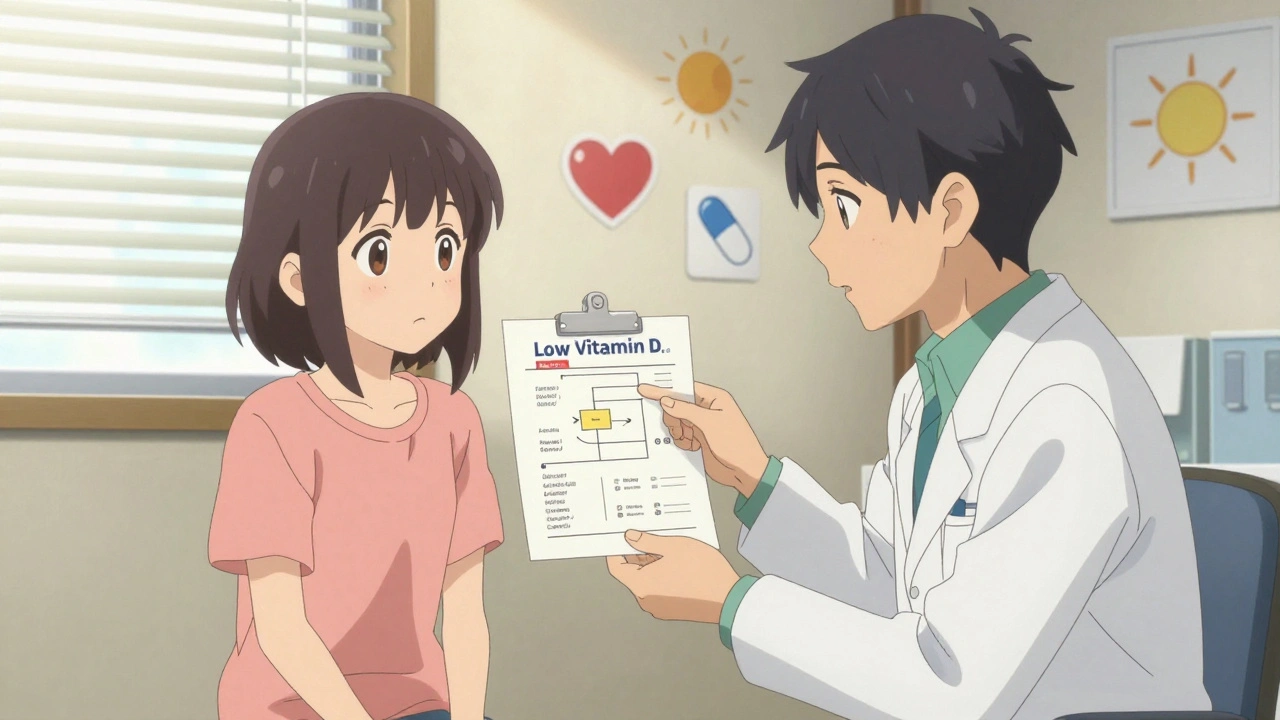
Does vitamin D help you tolerate statins? Evidence is mixed. Some studies say yes, the largest trial says no. Here’s what actually works for statin muscle pain and how to decide what to do next.
Feb 15 2026

Mar 4 2025

Feb 11 2026

Oct 18 2025

Mar 8 2026