Vaccines for Immunosuppressed Patients: When to Get Them and What to Expect
Jan 23 2026

When you take a statin, a class of cholesterol-lowering drugs used to reduce heart attack and stroke risk. Also known as HMG-CoA reductase inhibitors, these medications are among the most prescribed in the world — and also among the most misunderstood. Millions take them every day, but too many stop because they hear "side effects" and assume the worst. The truth? Most people tolerate statins just fine. But for those who do feel something, it’s not always clear if it’s the drug, aging, or something else entirely.
One of the most common complaints is muscle pain, a dull ache or weakness that can range from mild to disabling. This isn’t always a statin issue — it can come from exercise, vitamin D deficiency, or even thyroid problems. But when it shows up after starting a statin, it’s easy to blame the pill. Real muscle damage from statins — called rhabdomyolysis — is extremely rare, affecting fewer than 1 in 10,000 users. What’s more common is statin intolerance, when side effects make someone stop taking the drug, even if they’re not dangerous. And that’s where things get tricky. Stopping a statin without talking to your doctor can raise your risk of heart problems more than the side effects ever could.
Other side effects like liver enzyme changes, digestive upset, or even memory fog are often reported — but studies show they’re usually not caused by the drug itself. For example, a 2022 analysis of over 100,000 patients found no link between statins and memory loss. Yet people still worry. That’s why knowing the difference between a side effect, an expected, non-allergic reaction to a drug. Also known as adverse reaction, it’s not the same as an allergy or intolerance. matters. A true allergy to statins? Almost unheard of. But feeling tired or sore? That’s something you can track, talk about, and often fix — without quitting.
What you’ll find below are real stories and science-backed answers about how people handle statin side effects. Some switched to a different statin. Others lowered their dose. A few added coenzyme Q10 or adjusted their workout routine. One person discovered their muscle pain was from low vitamin D — not the pill at all. These aren’t theoretical fixes. These are what worked for real people who didn’t want to give up their heart protection.
If you’re on a statin and feeling off, you’re not alone. And you don’t have to suffer in silence — or quit cold turkey. The right fix is out there. You just need to know what to look for, what to track, and who to talk to.
Dec
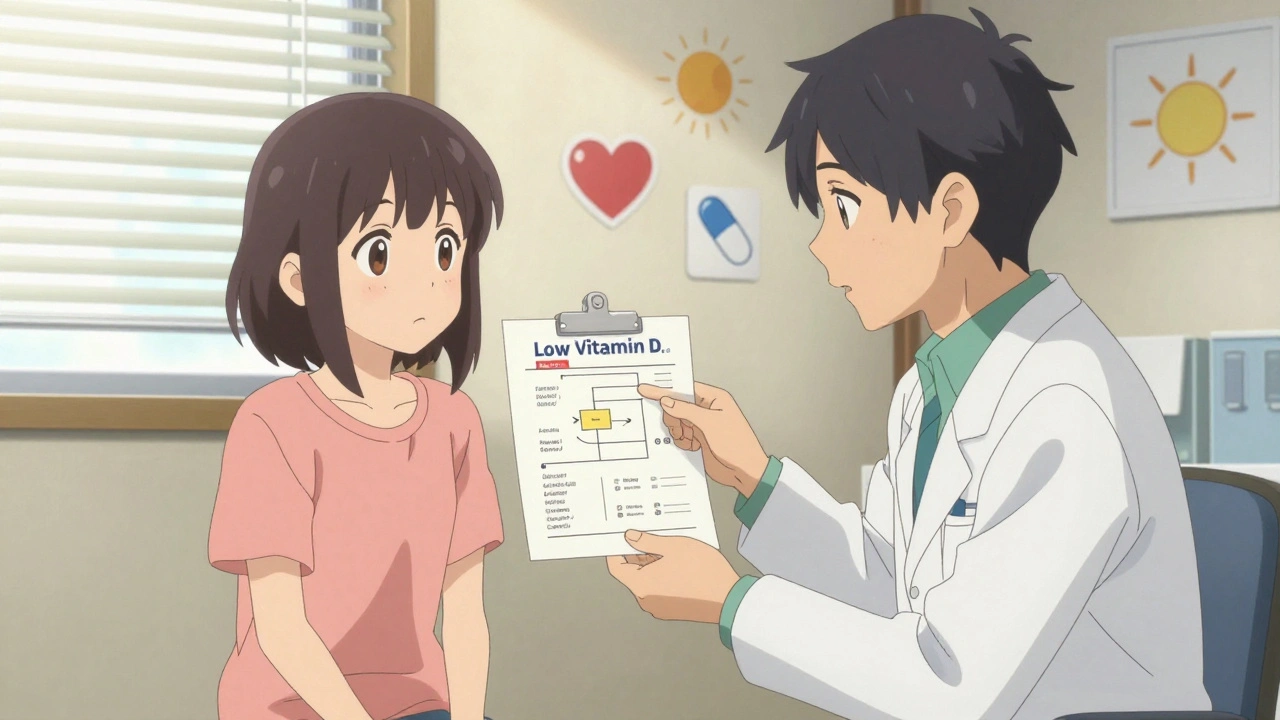
Does vitamin D help you tolerate statins? Evidence is mixed. Some studies say yes, the largest trial says no. Here’s what actually works for statin muscle pain and how to decide what to do next.
Jan 23 2026

Jun 26 2025
Dec 7 2025

Sep 28 2025

Sep 20 2025