Aspirin-Exacerbated Respiratory Disease: Understanding Asthma and NSAID Sensitivity
Dec 2 2025

When you take a statin, a class of cholesterol-lowering drugs used to reduce heart attack and stroke risk. Also known as HMG-CoA reductase inhibitors, they work by blocking a liver enzyme that makes cholesterol. But for some people, this same mechanism triggers something more serious: statin myopathy, a drug-induced muscle condition ranging from mild soreness to dangerous muscle breakdown. It’s not just "normal" soreness. It’s a biological response that can force people off life-saving medication.
Statin myopathy isn’t rare. Studies show up to 1 in 10 people on statins report muscle pain, and a portion of those have true myopathy. The risk goes up with age, kidney problems, thyroid issues, or when statins are mixed with other drugs like fibrates or certain antibiotics. It’s also more likely with higher doses or long-term use. The key sign? Muscle pain, weakness, or cramps that start after beginning the drug and get worse with activity. If you’re taking a statin and feel this, don’t assume it’s just aging or exercise. It could be your muscles reacting to the drug.
What makes statin myopathy tricky is how often it’s mistaken for something else. Many doctors dismiss it as "just a side effect" or blame the patient for being inactive. But real statin myopathy shows up in blood tests—elevated creatine kinase (CK) levels—and can lead to rhabdomyolysis, a rare but life-threatening condition where muscle tissue breaks down and floods the kidneys with toxins. Even mild cases can make people stop their meds, which increases their risk of heart disease. The good news? Most cases improve quickly when the statin is switched or lowered. Some people tolerate a different statin. Others do fine on non-statin options like ezetimibe or PCSK9 inhibitors. And yes, there are ways to test whether your muscle pain is truly caused by the drug—without quitting cold turkey.
You’ll find real stories and practical advice in the posts below. Some people learned how to track their symptoms so their doctor took them seriously. Others found out which supplements might help—or hurt. A few discovered that their muscle pain wasn’t from statins at all, but from something else entirely. These aren’t theoretical discussions. They’re from people who’ve been there, tested options, and figured out what works. Whether you’re worried about your own symptoms or helping someone else, this collection gives you the facts—not fear, not marketing—just what you need to talk to your doctor and protect your health.
Dec
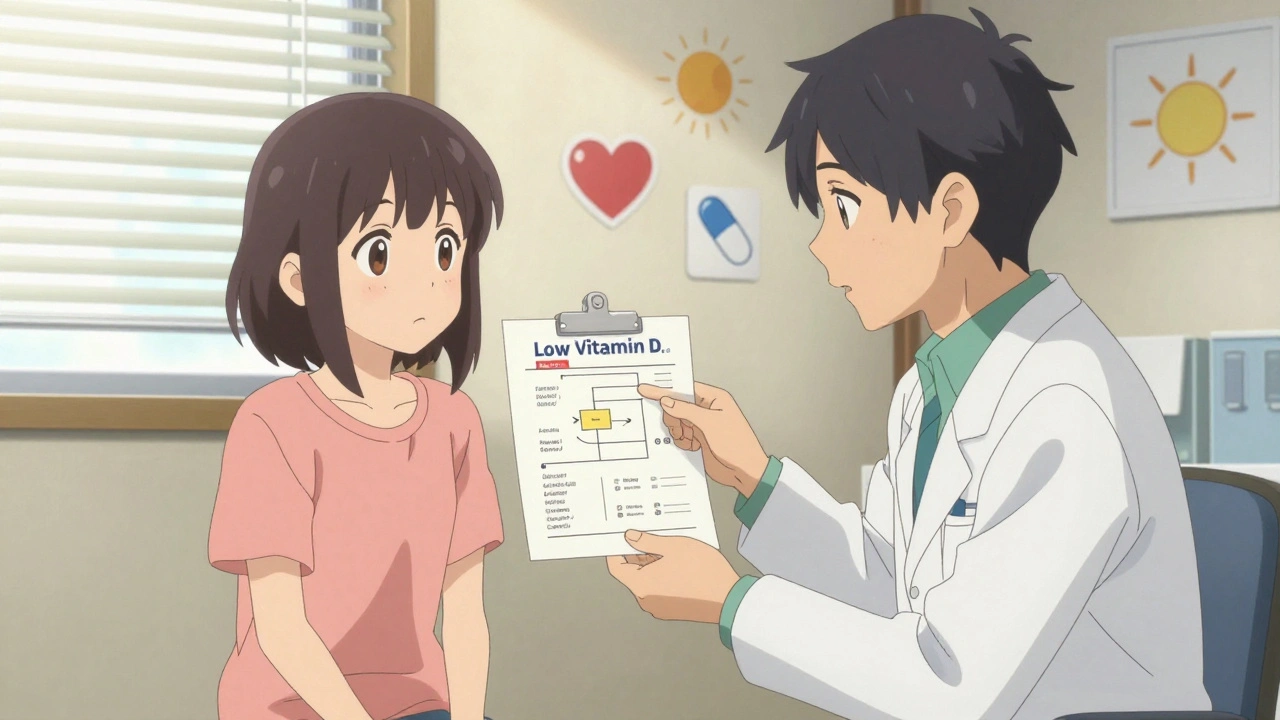
Does vitamin D help you tolerate statins? Evidence is mixed. Some studies say yes, the largest trial says no. Here’s what actually works for statin muscle pain and how to decide what to do next.
Dec 2 2025
Nov 23 2025
Oct 7 2025

Dec 15 2025
Dec 18 2025