How Multiple Generic Drug Manufacturers Lower Prices
Mar 18 2026

When you pick up a prescription, the price you pay isn’t set by your doctor, pharmacist, or even the drug company—it’s often decided by a pharmacy benefits manager, a middleman that negotiates drug prices and manages prescription coverage for insurance plans. Also known as a PBM, it sits between your insurer, the pharmacy, and the drug maker, controlling what drugs are covered, how much you pay, and which pharmacies you can use. Most people think their insurance covers their meds, but the truth is, PBMs decide what "coverage" actually means.
Pharmacy benefits managers don’t just negotiate discounts—they also create formularies, lists of approved drugs that insurers will pay for. If your drug isn’t on the list, you might pay full price or be forced to try a cheaper alternative first. Some PBMs even own pharmacies or have financial ties to certain drug makers, which can influence which meds get pushed to you. This isn’t conspiracy—it’s how the system works. You might be paying more because your PBM gets a kickback from the brand-name drug, not because it’s better.
And it’s not just about price. PBMs control prior authorization, the process where your doctor must get approval before a drug is covered. That’s why you’ve waited days for a simple prescription to be approved—sometimes it’s not about safety, it’s about cost-shifting. They also manage step therapy, a rule that forces you to try cheaper drugs before moving to the one your doctor prescribed. This isn’t always bad, but it can delay treatment or make side effects worse if the cheaper option doesn’t work.
What’s worse? PBMs are rarely transparent. You won’t see their contracts, their rebates, or how much of your premium actually goes to the drug maker versus their cut. That’s why you might pay $50 for a generic while someone else pays $10 for the same pill at a different pharmacy—it’s all about where your PBM has negotiated the deal. Even generic drugs can be priced unfairly if the PBM owns the manufacturer or has exclusive deals.
That’s why the posts here focus on what you can actually do: how to spot when a PBM is working against you, how to challenge coverage denials, how to find lower-cost alternatives through state assistance programs, and how to understand your medication list when polypharmacy and drug interactions are involved. You’ll find guides on generic drugs, how to identify authorized generics, and how to use Medicare Extra Help or state SPAPs to cut costs. You’ll learn how drug pricing works behind the scenes, why some meds are blocked, and how to talk to your pharmacist about alternatives that your PBM might not want you to know about.
Pharmacy benefits managers control your access to medicine more than you think. But you don’t have to accept what they decide. The real power lies in knowing how the system works—and what your options really are.
Dec
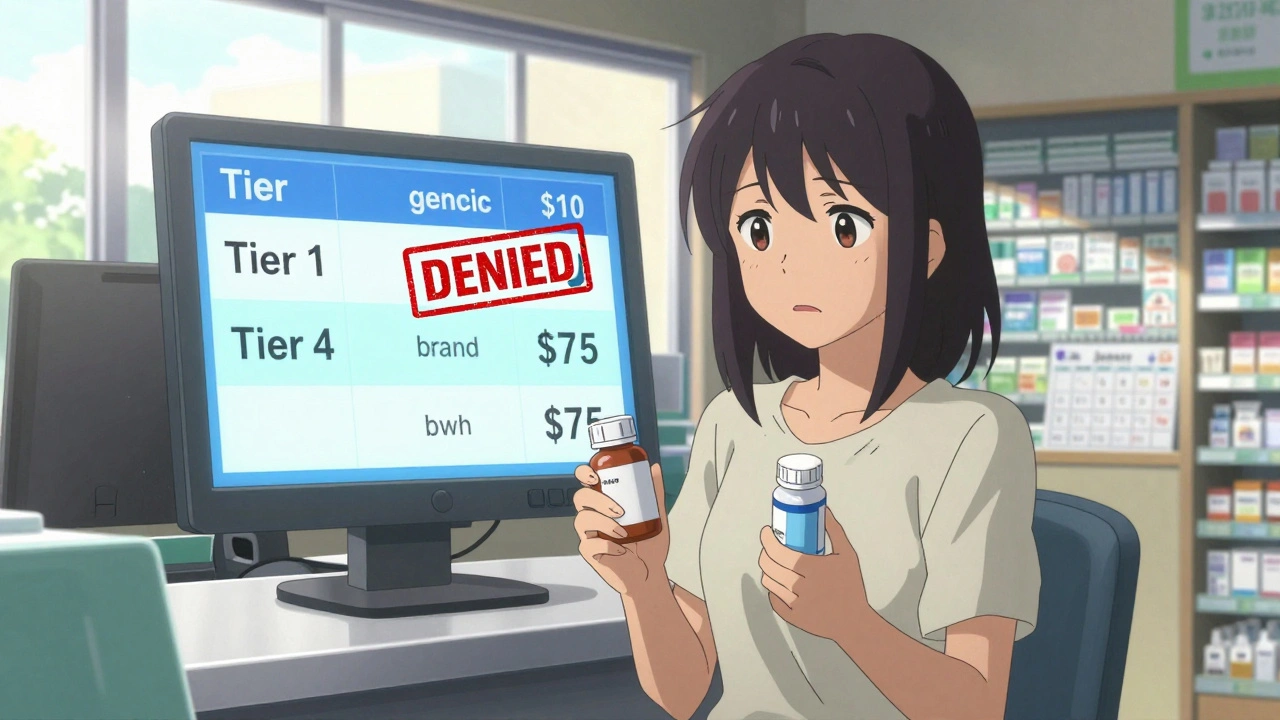
Employer health plans use tiered formularies to push generic drugs and cut costs-but the savings don't always reach you. Learn how formularies work, why drugs get dropped, and what you can do to protect your coverage.
Mar 18 2026

Feb 11 2026

Oct 22 2025
Jan 31 2026

Nov 18 2025