Generic vs Brand Identification in Pharmacy Systems: Best Practices for Accurate Medication Dispensing
Nov 7 2025

When your body starts shifting into menopause, it doesn’t ask for permission. Perimenopause, the transitional phase before menopause when estrogen levels begin to drop and menstrual cycles become irregular. Also known as menopausal transition, it can last anywhere from a few months to over a decade—and for many, it brings hot flashes, sleepless nights, mood swings, and brain fog that feel impossible to ignore. This isn’t just "getting older." It’s a biological reset, and how you handle it matters.
Many women turn to hormonal therapy, prescription estrogen or progesterone used to balance dropping hormone levels and relieve symptoms because it works—fast. But it’s not for everyone. If you have a history of blood clots, breast cancer, or liver disease, your doctor may steer you toward alternatives. That’s where natural remedies for perimenopause, non-prescription options like black cohosh, soy isoflavones, or lifestyle changes that help ease symptoms without hormones come in. Some studies show modest relief for hot flashes, but results vary. What’s clear? No supplement replaces a healthy diet, regular movement, and stress management. And yes, vitamin D deficiency can make symptoms worse—something you’ll see covered in posts about nutrient gaps and hormone health.
Perimenopause treatment isn’t just about pills or powders. It’s about understanding your body’s signals. Sleep disruption? It’s not just stress—it’s your cortisol and melatonin dancing out of sync. Mood swings? They’re tied to estrogen’s effect on serotonin. And yes, some of the medications you’re already taking—like antidepressants or blood pressure drugs—can make symptoms better or worse. That’s why knowing the difference between a side effect and a true symptom matters. You’ll find posts here that break down how to talk to your doctor about these changes without being dismissed, how to track what’s really happening in your body, and what treatments actually have evidence behind them.
There’s no magic cure. But there are smart, science-backed steps you can take right now. Whether you’re considering hormonal therapy, trying to avoid it, or just tired of feeling like your body betrayed you—what follows is a collection of real, practical advice from people who’ve been there. No hype. No guesswork. Just what works, what doesn’t, and how to decide what’s right for you.
Dec
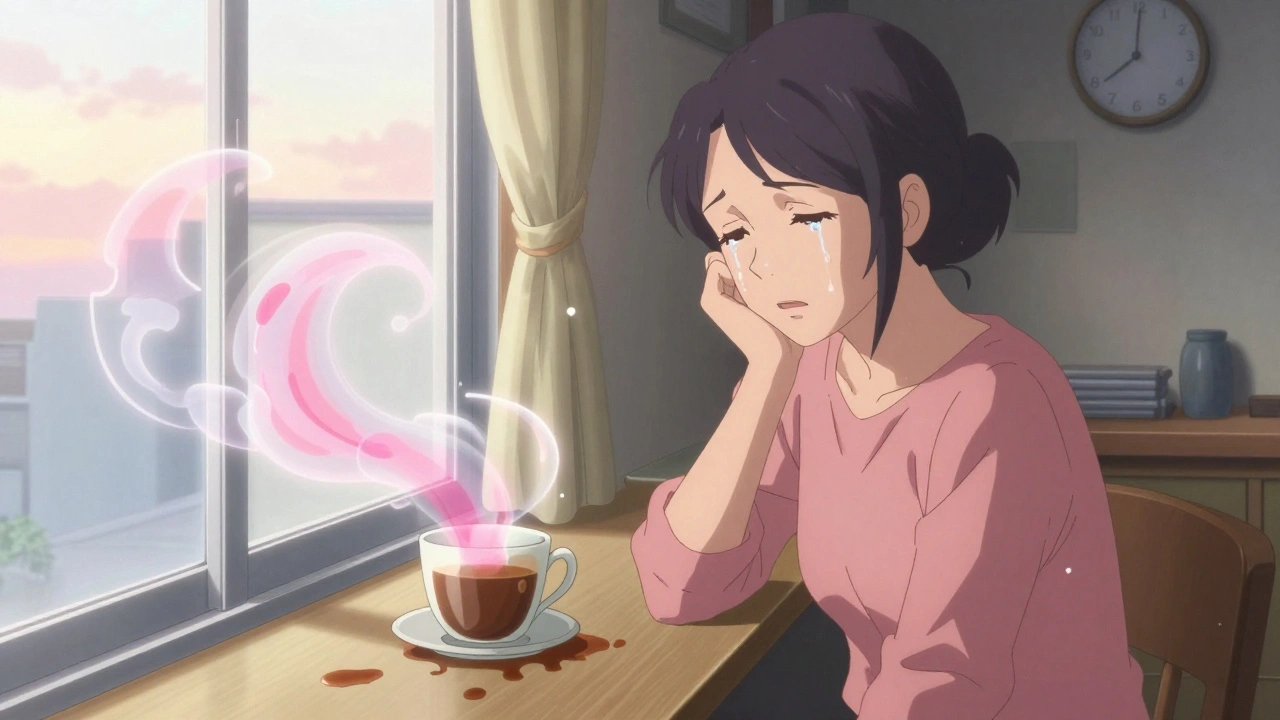
Perimenopause can trigger intense mood swings due to hormonal shifts. Learn how estrogen and progesterone changes affect your brain, what treatments actually work, and how to find the right care without waiting until it's too late.
Nov 7 2025
Dec 7 2025

Sep 27 2025

Sep 28 2025
Jan 14 2026