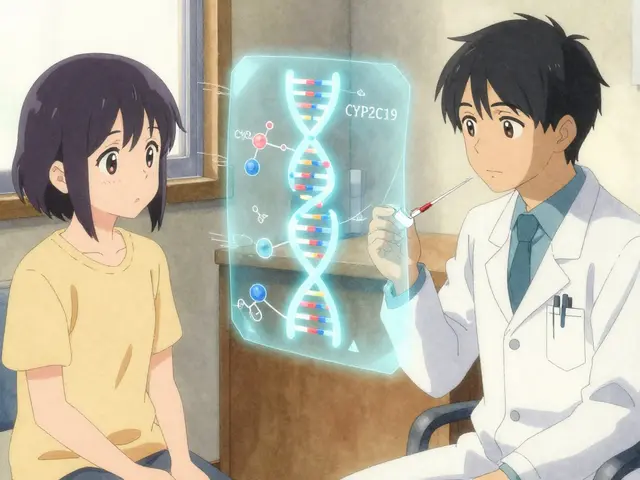
Genetic Testing for Drug Metabolism: Should You Get Tested?
Mar 10 2026

When your emotions go from calm to crying in minutes, it’s not just you—it’s perimenopause mood swings, a common symptom of hormonal shifts during the transition to menopause. Also known as hormonal mood fluctuations, these swings happen as estrogen levels drop unevenly, affecting serotonin and other brain chemicals that control emotion. This isn’t just "being moody." It’s a biological response, and it affects up to 70% of people going through perimenopause.
These mood changes often show up alongside other symptoms like hot flashes, sleep trouble, and brain fog. But they’re not the same as clinical depression, even though they can feel similar. The key difference? Perimenopause mood swings usually come and go with your cycle, while depression sticks around. If you’re snapping at your partner one day and crying during a commercial the next, it’s likely your hormones—not your personality. And if you’ve tried stress management, therapy, or exercise without relief, it’s not because you’re not trying hard enough—it’s because you need to target the root cause: estrogen decline, the primary driver of emotional instability during perimenopause.
What helps? Not always antidepressants. Some people find relief with lifestyle tweaks—better sleep, regular movement, cutting back on caffeine and sugar. Others need targeted support like low-dose hormone therapy or supplements that stabilize neurotransmitters. But here’s the thing: what works for one person might do nothing for another. That’s why understanding your own pattern matters more than generic advice. Tracking your mood alongside your cycle can reveal triggers you didn’t know you had.
And it’s not just about feeling better emotionally. Unmanaged mood swings can mess with relationships, work performance, and even your physical health over time. That’s why so many of the posts below focus on practical, science-backed ways to cope—from medication interactions to natural support strategies. You’ll find real stories about how people handled irritability, anxiety, and sadness during this phase—not just theory, but what actually worked in daily life. Whether you’re just starting to notice changes or you’ve been struggling for years, the information here is meant to help you take back control, one day at a time.
Dec
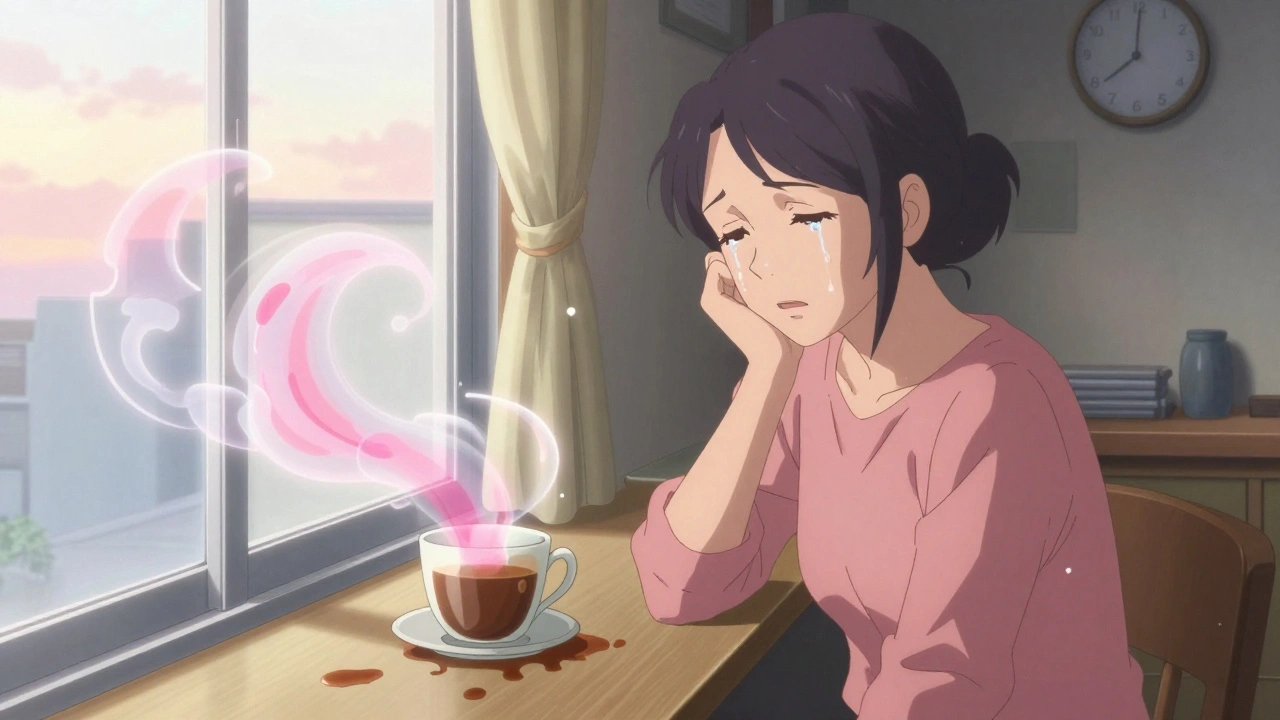
Perimenopause can trigger intense mood swings due to hormonal shifts. Learn how estrogen and progesterone changes affect your brain, what treatments actually work, and how to find the right care without waiting until it's too late.
Mar 10 2026

Dec 15 2025

Mar 15 2026

Jun 2 2025

Jan 27 2026