Lot Number Tracking: How the FDA Identifies Problem Batches in the Food Supply
Dec 18 2025

When you missed doses, the unintentional failure to take a prescribed medication at the right time. Also known as non-adherence, it’s one of the most common reasons treatments fail—whether you’re on blood pressure pills, antibiotics, or thyroid medication. It’s not just about forgetting. Sometimes it’s cost, side effects, confusion, or just feeling fine and thinking you don’t need it anymore. But skipping even one dose can change how your body responds—especially with antibiotics, antivirals, or heart meds.
Medication adherence, how consistently you take your drugs as prescribed, is just as important as the drug itself. Studies show that up to half of people don’t take their meds correctly. For some, like those on HIV drugs or blood thinners, a single missed dose can lead to resistance or dangerous clots. For others, like people taking statins or antidepressants, skipping doses makes symptoms come back faster than they left. And if you’re on a pill schedule, a timed routine for taking multiple medications, missing one can throw off the whole system—especially if doses are spaced 8 or 12 hours apart.
It’s not your fault if you forget. Life gets busy. But the good news? You don’t need to be perfect. What matters is knowing what to do when you miss a dose, how to prevent it from happening again, and when to call your doctor. Some meds are safe to take late; others can’t be doubled up. Some need to be taken with food, others on an empty stomach. And if you’re juggling five or more pills, like many older adults or people with chronic conditions, a simple mistake can turn into a serious problem.
The posts below cover real stories and science behind what happens when doses are missed—from statin muscle pain that flares up after skipping pills, to how a missed antibiotic dose can turn a simple strep throat into something dangerous. You’ll find practical tips on setting reminders, reading labels correctly, and talking to your doctor without feeling judged. There’s also help for people dealing with side effects that make them want to quit, and advice on how to avoid confusion with generics or complex regimens. Whether you’re managing a long-term condition or just taking a short course of pills, these guides give you the tools to stay on track—without shame, stress, or guesswork.
Dec
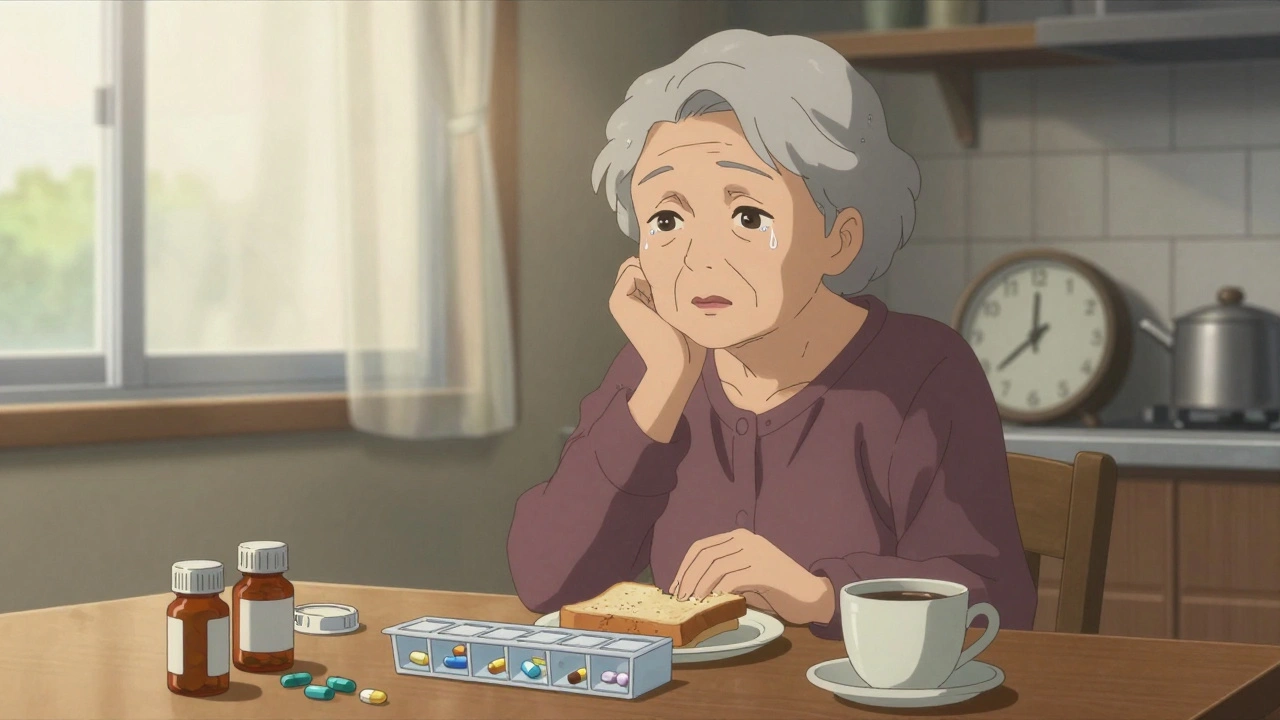
Skipping your prescribed meds may seem harmless, but it leads to preventable deaths, hospitalizations, and billions in avoidable healthcare costs. Learn the real risks and what you can do today.

Dec 18 2025
Dec 5 2025

Oct 7 2025

Nov 2 2025
Dec 15 2025