Compare Aurogra (Sildenafil) with Alternatives: What Works Best for You?
Nov 1 2025

When your body reacts badly to a medicine, it’s not just a nuisance—it can be life-threatening. A medication reaction, an unexpected and harmful response to a drug, whether it’s an allergy, intolerance, or dangerous interaction. Also known as adverse drug reaction, it’s one of the top causes of hospital visits and preventable harm. These aren’t rare. Millions of people experience them every year, from mild rashes to sudden breathing trouble. And the worst part? Many happen because people don’t know what to watch for—or assume all side effects are normal.
Not all medication reactions are the same. Some are allergic reactions, your immune system attacking the drug like a foreign invader. Think hives, swelling, or anaphylaxis after taking penicillin or NSAIDs. Others are drug interactions, when two or more medicines, food, or supplements clash inside your body. That’s why rifampin can wreck your birth control, or why lopinavir/ritonavir can turn a simple painkiller into a danger zone. Then there are delayed reactions—like liver damage from acetaminophen, or hair loss from immunosuppressants—that creep up weeks later. And for cancer patients, chemotherapy hypersensitivity, a sudden, severe response during infusion. can hit fast and hard, sometimes within minutes.
What ties all these together? Timing, triggers, and awareness. A reaction isn’t always obvious. You might think your headache is stress, but it’s from a new blood pressure pill. Your nausea? Maybe not the flu—it’s from your antibiotic. The key is knowing your own body and your meds. Keep a list. Ask your pharmacist: "Could this cause something bad?" Check if your supplement interferes with your prescription. And if you’ve ever had a reaction before, tell every doctor you see—even if it was years ago.
You’ll find real stories here—not guesses, not theory. Posts cover how bisphosphonates irritate your esophagus if you take them wrong, how creatine tricks kidney tests, and why generic drugs can still cause problems if the labeling isn’t clear. You’ll learn how to read FDA alerts before a drug gets pulled, how to spot authorized generics, and what to do if your chemo infusion turns dangerous. This isn’t just a list of side effects. It’s a guide to recognizing when something’s wrong—and how to fix it before it’s too late.
Nov
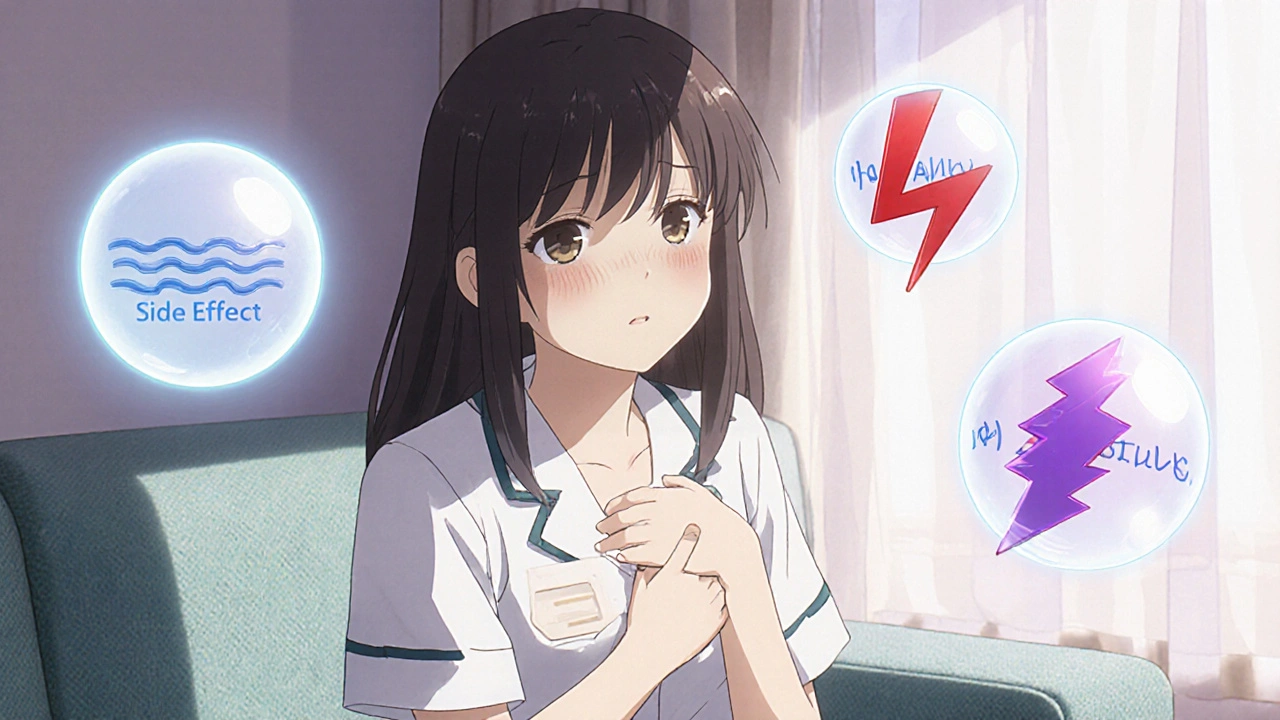
Learn how to tell the difference between side effects, allergic reactions, and drug intolerance - and why mixing them up can lead to dangerous medical decisions. Most people who think they’re allergic aren’t.

Nov 1 2025

Dec 15 2025
Nov 18 2025
Feb 3 2026
Jan 30 2026