Best Alternatives for Penicillin Allergy: Cephalosporins, Macrolides, and Carbapenems Explained
Apr 26 2025

When we talk about estrogen and depression, a hormonal influence on emotional well-being that affects millions of women, especially during menopause, postpartum, or after surgical removal of the ovaries. Also known as hormonal depression, it’s not just "feeling down"—it’s a real biological shift tied to falling estrogen levels that can change how your brain processes serotonin and stress. Many women notice sudden mood swings, crying spells, or a lack of motivation when their estrogen drops, yet doctors often dismiss it as "just stress" or "normal aging." But research shows estrogen helps regulate mood-related brain chemicals, and when it dips, so does emotional resilience.
Estrogen doesn’t work alone. It interacts with hormone imbalance, a broader condition where estrogen, progesterone, thyroid, or cortisol levels fall out of sync, often triggering anxiety, fatigue, and depressive symptoms. This is why women on birth control, those with PCOS, or those going through perimenopause may struggle with depression even if they have no history of mental illness. And it’s not just about levels—it’s about how your brain responds. Some people’s receptors are more sensitive to small drops in estrogen, making them more vulnerable to mood crashes. Meanwhile, estrogen therapy, a medical treatment used to restore estrogen levels in women with low hormone output, often used to relieve hot flashes but also shown to improve mood in clinical studies has helped many women regain emotional stability—when used correctly and under supervision.
What’s missing from most conversations is that estrogen-related depression doesn’t always look like classic sadness. It might show up as irritability, brain fog, loss of interest in sex, or even physical symptoms like unexplained aches. You might feel fine one day and overwhelmed the next, with no obvious trigger. That’s not in your head—it’s in your hormones. And while antidepressants are often the first answer, they don’t fix the root cause if estrogen is the real driver. The good news? Recognizing the pattern—linking your mood dips to menstrual cycles, childbirth, or menopause—can lead to smarter, more effective solutions.
Below, you’ll find real-world insights from people who’ve navigated this, studies that back up what works, and practical advice on when to ask for hormone testing, what treatments to consider, and how to talk to your doctor without being dismissed. This isn’t about quick fixes—it’s about understanding your body well enough to get the right help.
Dec
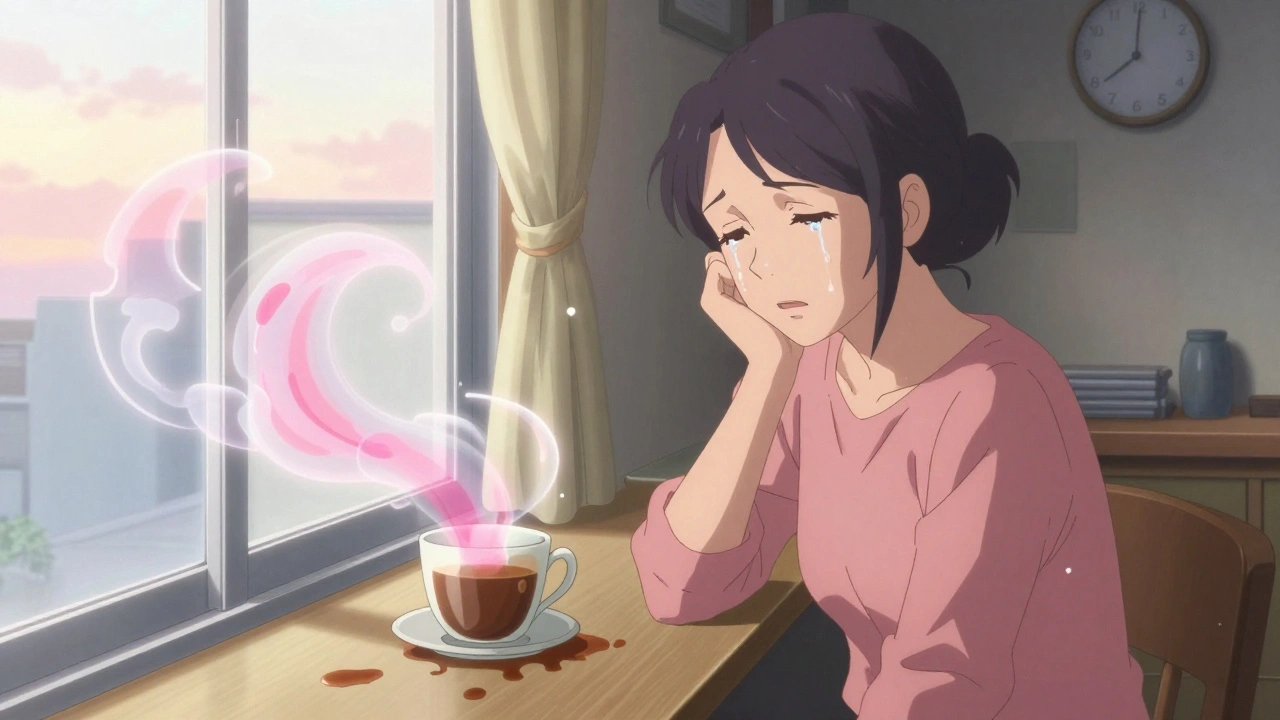
Perimenopause can trigger intense mood swings due to hormonal shifts. Learn how estrogen and progesterone changes affect your brain, what treatments actually work, and how to find the right care without waiting until it's too late.

Apr 26 2025

Sep 27 2025
Jan 27 2026
Dec 17 2025
Jan 26 2026