Best Amoxil Deals: Uncovering Budget-Friendly Options for Amoxicillin Users
Mar 4 2025

When you pick up a prescription, you might not think about how long it took for that pill to reach your hands. The drug approval process, the rigorous system the U.S. Food and Drug Administration uses to evaluate new medications before they’re sold to the public. Also known as pharmaceutical regulatory review, it’s the reason you can trust that a drug has been tested for safety, effectiveness, and proper labeling. This isn’t just paperwork—it’s a multi-year journey involving labs, clinical trials, data audits, and legal hurdles. And it’s the same process that lets generic drugs and biosimilars, highly similar versions of complex biologic drugs that must meet strict FDA standards to be approved as interchangeable enter the market after the original patent expires.
The FDA approval, the official green light given by the U.S. Food and Drug Administration after reviewing all clinical and manufacturing data doesn’t mean a drug is perfect—it means the benefits outweigh the risks based on the best available evidence. That’s why some drugs get pulled later: new side effects show up only after thousands of people use them. The system isn’t flawless, but it’s designed to catch the biggest dangers before they reach patients. Behind every approved drug is a chain of legal and scientific steps: preclinical testing, Phase I-III trials, manufacturing inspections, and sometimes a Paragraph IV certification, a legal tool used by generic drug companies to challenge brand-name patents and speed up affordable access. These aren’t just buzzwords—they’re the gears that make sure you’re not paying ten times more for the same medicine.
And it’s not just about new drugs. The approval process also governs how generic drugs, medications that contain the same active ingredient as brand-name drugs but cost far less because they don’t repeat expensive clinical trials get cleared for sale. Many people think generics are "weaker" or "inferior," but the FDA requires them to perform the same way in the body. That’s why employer health plans push them—they work, and they save money. But sometimes, the system gets tangled: formularies change, drugs get dropped, and patients are left confused. That’s where knowing how the approval process works helps you ask the right questions. Did this drug go through full trials? Is this biosimilar truly interchangeable? Why was this generic pulled from the formulary? These aren’t just technical questions—they’re your rights as a patient.
What you’ll find below is a collection of real-world stories and practical guides that connect directly to how drugs get approved, how they’re regulated, and what happens after they hit the shelf. From how biosimilars are substituted at pharmacies to how patent challenges lower drug prices, from what happens when a drug causes a dangerous reaction to how state programs help people afford prescriptions—every article here ties back to the same foundation: the drug approval process. You won’t find fluff. You’ll find what you need to understand your meds, protect your health, and speak up when something doesn’t add up.
Dec
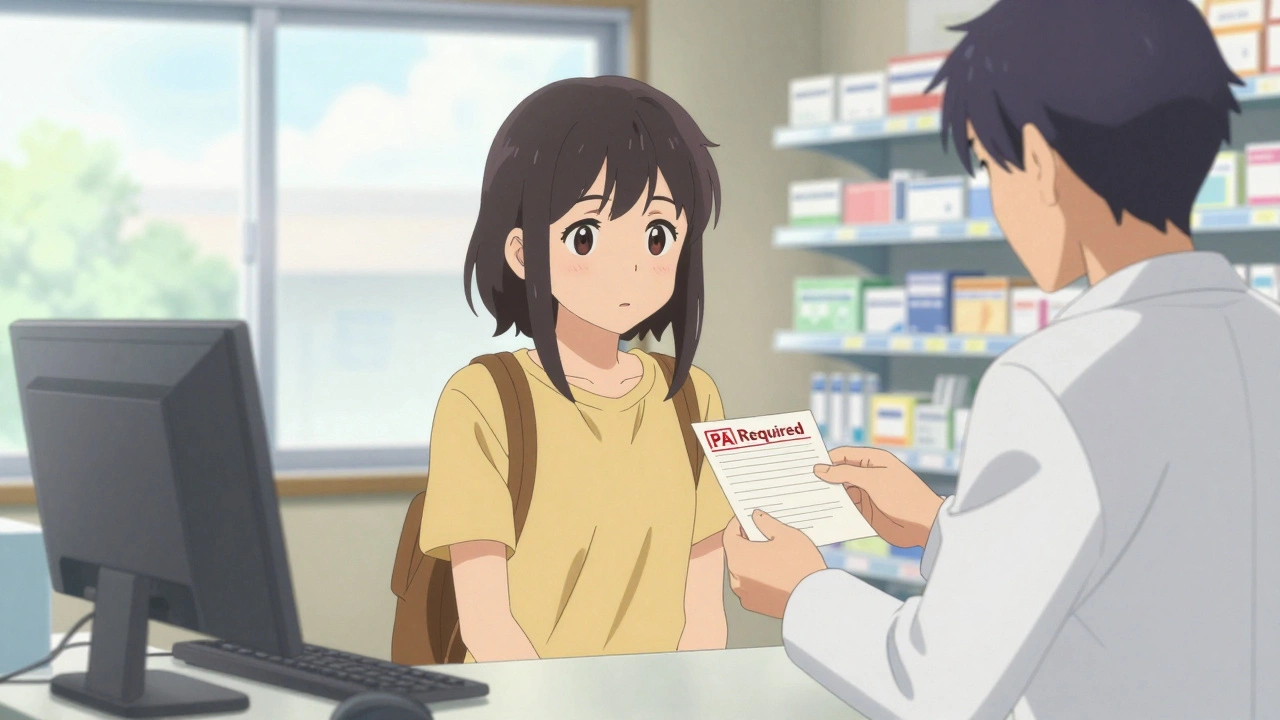
Prior authorization is a common insurance requirement for certain medications. Learn what drugs need it, how the process works, what to do if it’s denied, and how to avoid delays in getting your prescription covered.

Mar 4 2025

Dec 16 2025

Nov 17 2025

Sep 20 2025

Oct 4 2025