
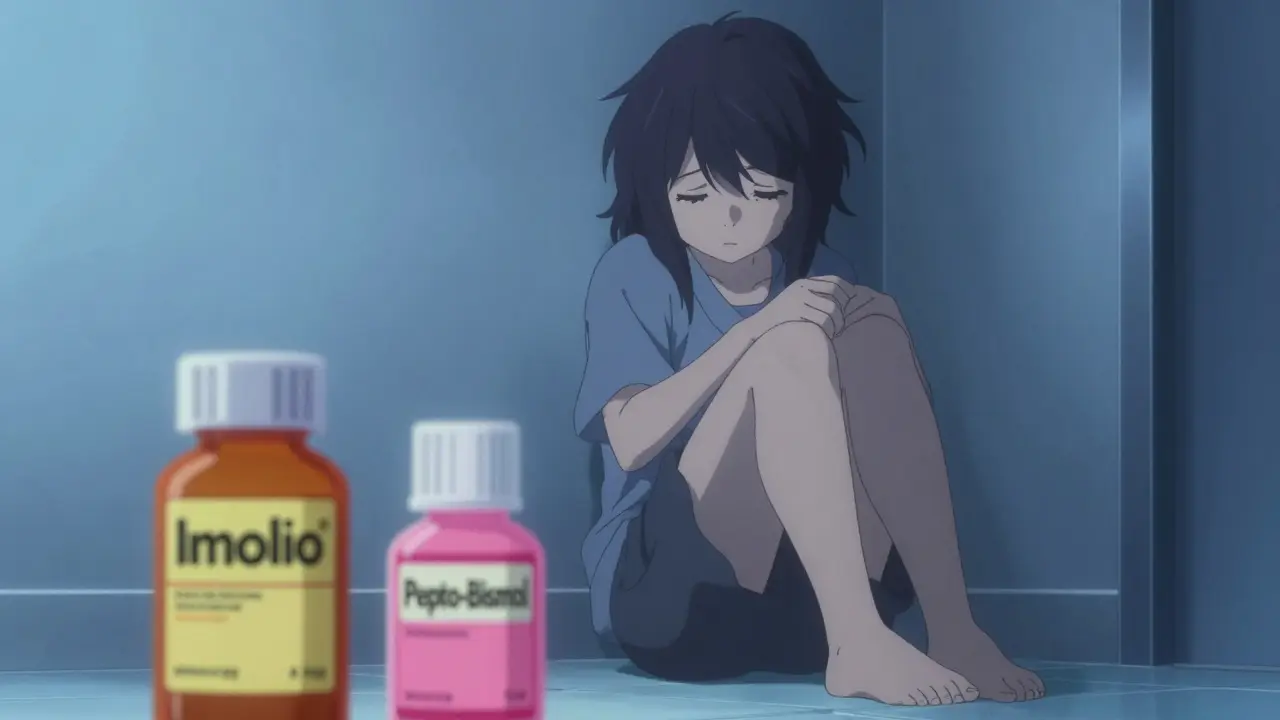
That sudden rush to the bathroom is never convenient. Whether you are stuck in a meeting or trying to enjoy dinner with friends, acute diarrhea-defined as three or more loose stools a day-can ruin your plans and leave you feeling weak. Most of us reach for an over-the-counter (OTC) medication to stop the chaos quickly. But grabbing the first box you see isn't always the safest move. Using OTC diarrhea treatments incorrectly can trap bacteria in your gut, worsen dehydration, or even cause serious heart issues if abused.
You have two main FDA-approved options sitting on pharmacy shelves: loperamide (brand name Imodium) and bismuth subsalicylate (brand names Pepto-Bismol and Kaopectate). Both work differently, carry different risks, and aren't right for every situation. Knowing which one to pick, how much to take, and exactly when to put the bottle down and call a doctor is the difference between a bad afternoon and a hospital visit.
How OTC Anti-Diarrheals Actually Work
To choose the right medicine, you need to understand what it does inside your body. These drugs don't cure the infection causing the diarrhea; they manage the symptoms by slowing things down.
Loperamide is a synthetic opioid agonist that targets receptors in the intestinal wall. It binds to mu-opioid receptors in the myenteric plexus of your large intestine. Think of it as hitting the brakes on your gut. It slows gastrointestinal motility and increases the time food stays in your intestines by 50-70%. This gives your body more time to absorb water from the stool, making it firmer. Because it doesn't cross the blood-brain barrier at standard doses, you get the gut-slowing effect without getting high. It starts working within 30 to 60 minutes.
Bismuth Subsalicylate is a compound that coats the stomach lining and fights bacteria. Unlike loperamide, it works through four distinct mechanisms. First, it coats the gastrointestinal mucosa to protect it from irritation. Second, it absorbs toxins produced by bacteria. Third, it reduces the production of inflammatory prostaglandins, which helps with cramping. Finally, it has actual antimicrobial activity against common culprits like E. coli, Shigella, and Campylobacter. If you have nausea along with your diarrhea, this is often the better choice because it addresses multiple symptoms at once.
Imodium vs. Pepto-Bismol: Which One Should You Pick?
They might sit next to each other on the shelf, but they serve different masters. Here is how they stack up in real-world scenarios.
| Feature | Loperamide (Imodium) | Bismuth Subsalicylate (Pepto-Bismol) |
|---|---|---|
| Primary Action | Slows gut movement (motility) | Coats gut, kills bacteria, reduces inflammation |
| Best For | Pure watery diarrhea, urgent symptom control | Traveler's diarrhea, diarrhea with nausea/cramps |
| Onset of Relief | 30-60 minutes | 1-2 hours |
| Side Effects | Constipation, dizziness | Black tongue, black stools (harmless) |
| Avoid If | Bloody stool, fever >100.4°F | Allergic to aspirin/salicylates, on blood thinners |
If you need to stop running to the bathroom immediately, loperamide is usually faster. Studies show it can reduce stool frequency by 62% within 24 hours. However, if you feel nauseous or have stomach cramps, bismuth subsalicylate offers broader relief, improving nausea by 37% and reducing cramps by 42% in clinical trials. Just remember: bismuth will turn your stool and tongue black. This looks alarming but is completely harmless and temporary.

Dosing Guidelines: Stick to the Rules
Misusing these drugs is where people get into trouble. The FDA has strict limits for a reason. Never exceed the maximum daily dose.
For Loperamide (Imodium):
- Adults: Take 4mg after the first loose stool. Then take 2mg after each subsequent loose stool.
- Maximum: Do not exceed 8mg in 24 hours without a doctor's supervision.
- Kids: Approved for ages 6+ (liquid) and 12+ (caplets). Always check the label.
For Bismuth Subsalicylate (Pepto-Bismol):
- Adults: Take 30mL (two tablespoons) of liquid or two caplets/tablets every 30-60 minutes as needed.
- Maximum: Do not exceed eight doses in 24 hours.
- Kids: Generally approved for ages 12+. Consult a pediatrician for younger children.
A common mistake is taking these meds preventatively before you even have symptoms. Don't do that. Wait until you have a loose stool, then take the initial dose. Also, never combine loperamide and bismuth subsalicylate unless a doctor tells you to. Mixing them can increase the risk of side effects and salicylate toxicity.
The Critical Red Flags: When to Stop Self-Treating
This is the most important part of the article. OTC meds are for mild, short-term cases. They are not magic bullets for serious infections. In fact, using them when you have certain symptoms can make things dangerously worse.
Do NOT use anti-diarrheals if you have:
- Bloody or black tarry stools: This indicates bleeding in the digestive tract or a severe bacterial infection like C. diff. Slowing your gut traps the bacteria/toxins inside, potentially leading to toxic megacolon (a life-threatening expansion of the colon).
- Fever above 100.4°F (38°C): Fever suggests your body is fighting an invasive infection. Trapping that infection with loperamide can lead to sepsis.
- Severe abdominal pain: Mild cramping is normal. Severe, localized pain could signal appendicitis or another surgical emergency.
- Diarrhea lasting more than 48 hours: Acute diarrhea should resolve in a few days. If it persists, it may be chronic or caused by a parasite requiring prescription treatment.
Dr. Kyle Staller, a gastroenterologist at Massachusetts General Hospital, warns that patients often try to "push through" symptoms. He notes that anti-diarrheals can prolong infection by trapping pathogens in the gut. If you have any of these red flags, skip the pharmacy and go to urgent care or your primary care provider.

Hydration: The Real Cure
While meds handle the frequency, hydration handles the survival. Diarrhea depletes your body of water and electrolytes rapidly. Dehydration is the biggest immediate risk, especially for the elderly and young children.
Water alone isn't enough. You need sodium and glucose to help your intestines absorb fluid. Look for oral rehydration solutions (like Pedialyte) that contain about 75mmol/L of sodium. Sports drinks can work in a pinch, but they are high in sugar and low in sodium compared to medical-grade solutions. Sip slowly. Gulping large amounts can trigger more vomiting or bowel movements.
Stick to the BRAT diet while you recover: Bananas, Rice, Applesauce, and Toast. These bland, low-fiber foods are easy to digest and help bind stool. Avoid dairy, caffeine, alcohol, and fatty or spicy foods until you are fully recovered.
Safety Warnings and Misuse Risks
We need to talk about abuse. Loperamide is an opioid derivative. While safe at recommended doses, some individuals have abused it in massive quantities (up to 100mg/day) to self-treat opioid withdrawal or achieve a euphoric high. This is extremely dangerous.
The FDA reported 48 cardiac deaths linked to loperamide abuse between 1976 and 2015. High doses can cause QT prolongation, a heart rhythm disorder that can lead to sudden cardiac arrest. If you or someone you know is taking far more than the recommended 8mg/day, seek medical help immediately. The FDA now requires clear warnings on packaging stating "Do not exceed 8mg in 24 hours."
Additionally, bismuth subsalicylate contains salicylates (related to aspirin). Do not give it to children recovering from chickenpox or flu-like symptoms due to the risk of Reye's syndrome, a rare but serious condition that causes swelling in the liver and brain. If you are on blood thinners like warfarin, consult your doctor before using bismuth, as it can increase bleeding risk.
Can I take Imodium and Pepto-Bismol together?
It is generally not recommended to combine these medications without consulting a doctor. Doing so can increase the risk of side effects, such as severe constipation from loperamide or salicylate toxicity from bismuth. Pick one based on your specific symptoms (speed vs. nausea relief) and stick to it.
Why did my poop turn black after taking Pepto-Bismol?
This is a harmless side effect. The bismuth reacts with sulfur in your digestive tract to form bismuth sulfide, which is black. It also may temporarily stain your tongue. This will go away shortly after you stop taking the medication. However, if your stool is black, tarry, and foul-smelling without having taken bismuth, seek medical attention immediately as this indicates internal bleeding.
How long should I use OTC diarrhea medication?
You should not use these medications for more than 48 hours. If your diarrhea persists beyond two days, or if symptoms worsen, stop the medication and see a doctor. Prolonged use can mask serious underlying conditions like inflammatory bowel disease or parasitic infections.
Is loperamide safe for children?
Loperamide is FDA-approved for children aged 6 and older (liquid form) and 12 and older (capsules). However, many doctors advise caution. The NHS warns against using it for children under 12 without medical consultation due to the risk of paralytic ileus (stopped bowel movement). Always check the specific product label and consult a pediatrician for young children.
What foods should I avoid when I have diarrhea?
Avoid dairy products (lactose intolerance often develops temporarily during diarrhea), high-fiber foods (whole grains, raw vegetables), fatty or fried foods, and spicy foods. Caffeine and alcohol can also worsen dehydration and stimulate bowel movements. Stick to bland, low-residue foods like the BRAT diet (Bananas, Rice, Applesauce, Toast) until symptoms subside.



Comments
Aditya Singh
It is truly fascinating to observe the intricate pharmacological mechanisms at play here, isn't it? The way loperamide interacts with the mu-opioid receptors in the myenteric plexus is a testament to modern medical ingenuity. I always find it uplifting when we demystify these biological processes for the general populace. Understanding that bismuth subsalicylate offers antimicrobial activity against E. coli and Campylobacter is quite empowering for travelers like myself. We must embrace this knowledge to foster a healthier global community. It is wonderful to see such detailed guidance on hydration protocols as well. Let us all stay informed and optimistic about our digestive health journeys.
Brett Webster
I appreciate the clear distinction between the two medications here. Many people confuse their primary actions and end up taking the wrong one for their specific symptoms. If you are dealing with pure watery diarrhea without nausea, loperamide is generally the more effective choice for rapid symptom control. However, if cramping or nausea is present, bismuth subsalicylate provides broader relief due to its anti-inflammatory properties. Just remember to adhere strictly to the dosing guidelines to avoid adverse effects. It is better to be safe than sorry when managing acute gastrointestinal issues.
Sherry Wheeler
Oh my goodness, the sheer horror of trapping bacteria inside your gut just sends shivers down my spine! Think about the philosophical implications of slowing down your own body's natural cleansing process. It is a delicate dance between comfort and safety, really. One moment you are feeling fine, and the next you are risking toxic megacolon because you wanted to stop running to the bathroom. The red flags section is absolutely crucial and should be read with utmost reverence. Please, do not ignore those bloody stools or high fevers. Your body is screaming for help, and ignoring it is a tragedy waiting to happen. Stay hydrated, friends, and listen to your inner voice.
shreya sinha
It is deeply concerning how many individuals disregard the explicit warnings provided by medical professionals regarding the misuse of over-the-counter medications. The article rightly points out that using these drugs incorrectly can lead to severe consequences, including serious heart issues from loperamide abuse. Furthermore, the risk of Reye's syndrome in children taking bismuth subsalicylate during viral illnesses is a matter of grave moral importance that parents must understand. We cannot simply treat our bodies as experiments for convenience. The black stool side effect, while harmless, often causes unnecessary panic among the uninformed. It is imperative that we educate ourselves properly before reaching for any medication, rather than relying on anecdotal advice or impulse buying. Negligence in this area is unacceptable.
Lee Coates
Haha, look at everyone freaking out over some loose stools :P This is what happens when people don't have strong stomachs like we used to back in the day. Just drink water and tough it out, folks. No need for all this fancy medicine stuff unless you're weak. But hey, if you want to turn your poop black like coal, go ahead and take the Pepto, I guess. Whatever makes you feel better about being soft. ;)
rebecca torres
yeah i mean most people know not to mix them but still see ppl doing it anyway. the part about qt prolongation from imodium abuse is wild though. who takes that much just to chill. sounds like a bad trip waiting to happen. also pedialyte tastes like salty chalk but it works so whatever.
Erin Livengood
There is a certain poetic justice in the fact that bismuth turns your tongue black, a visible reminder of the chemical alchemy occurring within. It serves as a stark contrast to the invisible action of loperamide, which quietly hits the brakes on your motility. I find the BRAT diet to be a comforting ritual, a return to simplicity amidst chaos. Bananas, rice, applesauce, toast-they are the pillars of recovery. Embracing this blandness allows the body to heal in harmony. It is a gentle pause button for the digestive system, allowing it to reset its rhythm. Let us honor this process with patience and care.
Daniella Renzon
I've been there with the sudden bathroom rushes, it's never fun. This guide is super helpful for knowing when to actually worry versus when to just ride it out. The bit about sports drinks vs Pedialyte is key since most of us just grab Gatorade first. Good to know the electrolyte balance matters so much. Thanks for sharing this info!
Christina S.
I always forget that Pepto has aspirin in it. My husband is on blood thinners so we have to be super careful with everything he takes. This article saved me from making a huge mistake last time he got sick. The warning about salicylates is so important for anyone on anticoagulants. I'm printing this out and sticking it on the fridge for future reference. Better safe than sorry!
Glenn Davis
Stick to the label. Don't be stupid. Read the red flags.
Cici arya Arya
Wait, so you're telling me I can't just pop pills whenever I feel weird? That seems like an invasion of my personal autonomy. Why does the FDA get to decide when I should feel better? I mean, sure, the science is interesting, but what about my right to manage my own discomfort? Also, why did no one mention that black tongue looks kinda cool? I might start taking it just for the aesthetic. You guys are missing out on the fashion statement here. Anyway, hope you all survive your dehydration.