Passing a kidney stone is an experience most people describe as excruciating. But here is the hard truth that many patients miss: passing one stone doesn't mean you are cured. In fact, if you have had one kidney stone, your risk of developing another is staggering. Studies show that between 30% and 50% of people will form a new stone within just three to five years. Without proper management, that number jumps to nearly 70% over five years.
We used to treat kidney stones as isolated acute events-pain comes, stone passes, problem solved. That approach is outdated. Modern urology recognizes kidney stone disease as a chronic metabolic disorder. It requires long-term lifestyle changes, not just painkillers. The good news? You have significant control over this condition through diet and hydration. Let’s look at exactly what the science says about keeping those stones away for good.
The Hydration Rule: Volume Matters More Than Type
If there is one single action you can take to prevent recurrence, it is drinking more water. This isn’t just common sense; it is backed by Level 1a evidence from the European Association of Urology (EAU). The goal is simple but specific: you need to produce enough urine to dilute the minerals that cause stones.
Here is the target: you need a daily urine output of at least 2.5 liters. To achieve this, you typically need to consume between 2.5 and 3 liters of fluid every day. This accounts for the water your body loses through sweat and breathing (insensible losses).
Most people underestimate how much they need to drink. A standard 16-ounce bottle is only about 0.47 liters. You would need to finish roughly six of these bottles daily. If you live in a hot climate or exercise regularly, you may need even more. The NHS warns that thirst is not a reliable indicator of hydration status. By the time you feel thirsty, you are already dehydrated. Instead, monitor your urine color. It should be pale yellow or clear. Dark yellow urine means you are not drinking enough.
- Water: The best choice. It has no calories, sugar, or additives.
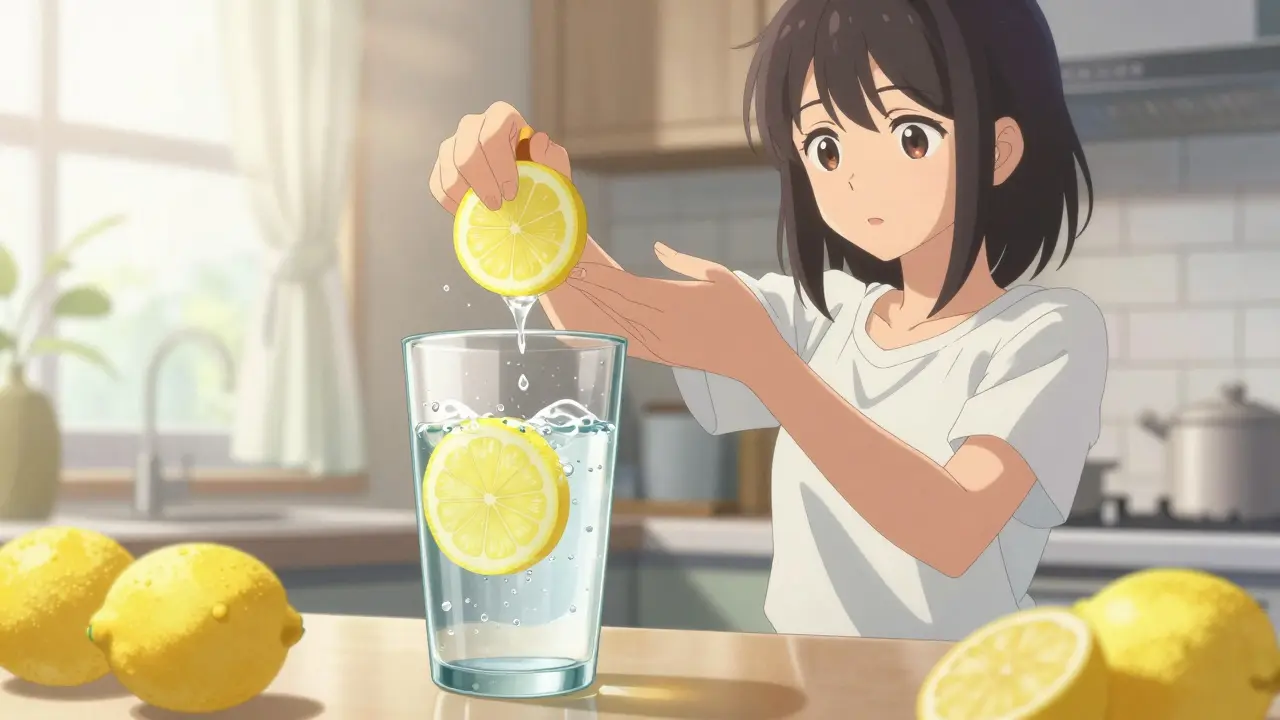
- Citrus-infused water: Adding fresh lemon or lime juice is highly recommended. Citrus contains citrate, a natural inhibitor that binds to calcium in the urine, preventing it from forming crystals. Aim for urinary citrate levels above 320 mg/day.
- Tea and Coffee: These count toward your fluid intake in moderation. However, avoid excessive caffeine as it can have a mild diuretic effect.
- Fizzy Drinks: Avoid these completely. The NHS specifically highlights avoiding carbonated beverages, particularly those containing phosphoric acid (like colas), which can increase stone risk.
Dietary Shifts: Sodium, Protein, and Oxalate
Hydration is the foundation, but diet is the structure. Many patients fall into traps based on outdated advice. Let’s clarify what actually works according to current guidelines from the American Academy of Family Physicians (AAFP) and the National Kidney Foundation (NKF).
Sodium: The Silent Enemy
You might think salt has nothing to do with kidney stones, but it plays a major role. When you eat too much sodium, your kidneys excrete more calcium into your urine. High urinary calcium is a primary driver of calcium oxalate stones, which account for 80% of all cases.
The recommendation is strict: limit sodium intake to 2 grams per day. This equals about 5 grams of table salt. For context, a single slice of deli meat or a small bag of chips can contain half your daily allowance. Since 75% of dietary sodium comes from processed foods, reading labels is non-negotiable. Cook at home using herbs and spices instead of salt shakers.
Animal Protein: Less Is More
Eating large amounts of red meat, poultry, eggs, and fish increases your risk of stones. Animal proteins are acidic, and when metabolized, they lower the pH of your urine and increase uric acid levels. This acidic environment promotes stone formation.
Limit animal protein to approximately 8 ounces per day. Replace some of these portions with plant-based proteins like beans, lentils, and tofu. Plant proteins tend to be less acidic and often contain compounds that inhibit stone formation.
Oxalate: Don’t Fear It, Balance It
Many patients hear "calcium oxalate stone" and immediately cut out all high-oxalate foods like spinach, nuts, and chocolate. This is a mistake. While reducing extremely high-oxalate foods can help, the bigger issue is how you eat them.
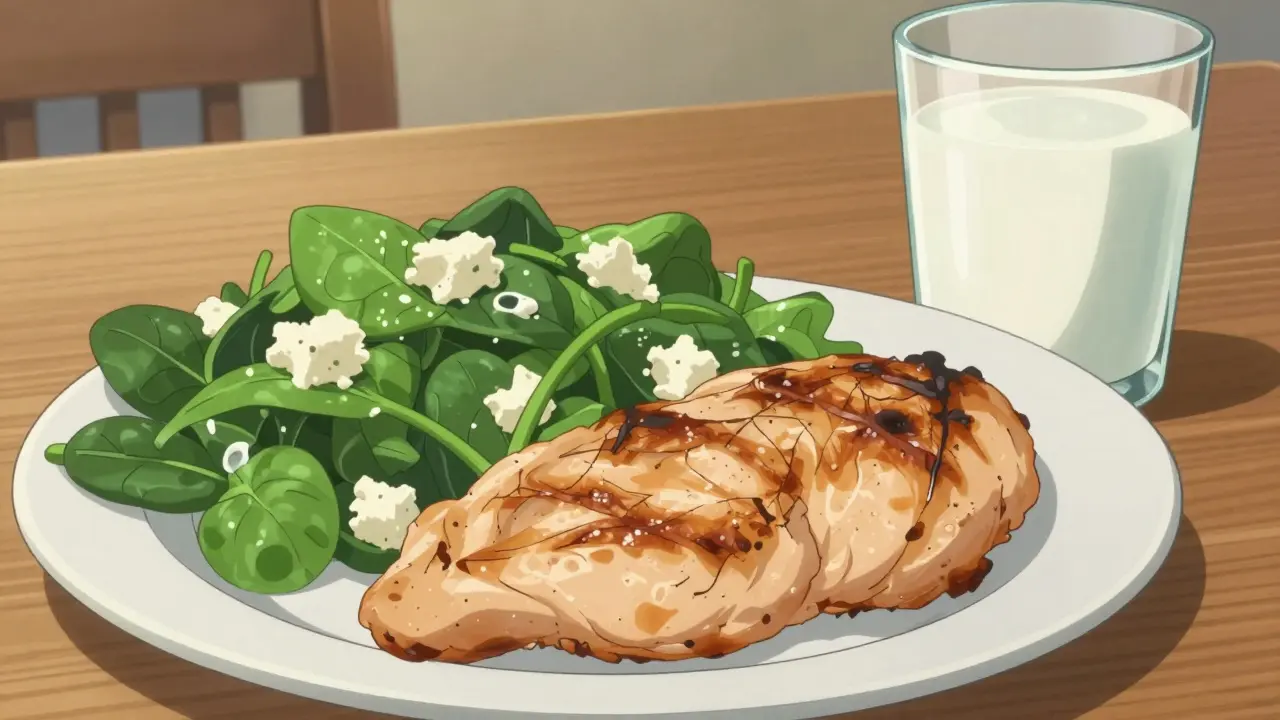
Oxalate binds to calcium in the gut. If you have calcium in your stomach at the same time as oxalate, they bind together and are excreted in your stool. If you lack dietary calcium, the oxalate is absorbed into your bloodstream, filtered by the kidneys, and ends up in your urine-where it forms stones. Therefore, do not restrict calcium. Eat calcium-rich foods (dairy, fortified plant milks) alongside oxalate-rich meals.
The Calcium Misconception
Perhaps the most dangerous myth in kidney stone prevention is the idea that you should reduce calcium intake. Decades ago, doctors advised low-calcium diets. We now know this backfires spectacularly.
Current guidelines from the EAU, AAFP, and NKF explicitly state: Do NOT cut out calcium. Restricting calcium increases the amount of free oxalate available for absorption, raising your risk of stones significantly. Aim for the recommended daily allowance of calcium (about 1,000-1,200 mg depending on age and gender) through food sources. Dairy products, leafy greens, and fortified foods are excellent choices.
If you cannot meet your calcium needs through diet alone, supplements can be considered, but they must be taken with meals to ensure they bind with oxalate in the gut. Taking calcium supplements between meals may actually increase stone risk because the calcium enters the bloodstream without binding to oxalate first.
Medical Management and Monitoring
Diet and hydration are powerful, but they are not always enough. Some individuals have underlying metabolic abnormalities that require medical intervention. This is where the concept of personalized prevention becomes critical.
Metabolic Work-Up
If you have recurrent stones, your urologist will likely recommend a 24-hour urine collection test. This test measures the volume of urine you produce, as well as levels of calcium, oxalate, citrate, uric acid, and sodium. It provides a snapshot of your stone-forming potential.
The EAU guidelines suggest performing this test after you have been stone-free for at least twenty days and while maintaining your normal diet. This ensures the results reflect your typical metabolic state rather than a temporary post-surgery fluctuation.
Medications
Based on your urine analysis, your doctor may prescribe medications to alter your urine chemistry. Common options include:
- Thiazide Diuretics: These drugs reduce the amount of calcium excreted in the urine. They are effective for patients with hypercalciuria (high urinary calcium). However, note that recent studies show mixed results, with some trials suggesting limited benefit over placebo in certain populations.
- Potassium Citrate: Used to increase urinary citrate levels and raise urine pH. This is particularly helpful for patients with hypocitraturia (low citrate) or uric acid stones.
- Allopurinol: Prescribed for patients with high uric acid levels to prevent uric acid stone formation.
It is crucial to follow up with repeat urine tests eight to twelve weeks after starting any medication. This allows your doctor to adjust dosages and ensure the treatment is working. Kidney stone prevention is not a "one and done" process; it requires ongoing monitoring.
| Nutrient/Factor | Recommendation | Reasoning | Target Value |
|---|---|---|---|
| Fluid Intake | Increase significantly | Dilutes stone-forming minerals | 2.5-3 Liters/day |
| Sodium | Restrict strictly | Reduces urinary calcium excretion | < 2g/day |
| Calcium | Maintain normal intake | Binds oxalate in the gut | 1,000-1,200mg/day |
| Animal Protein | Limit portion size | Prevents acidic urine and high uric acid | < 8 oz/day |
| Citrate | Increase via lemons/limes | Inhibits crystal formation | Urine > 320mg/day |
The Long-Term View: Protecting Your Kidneys
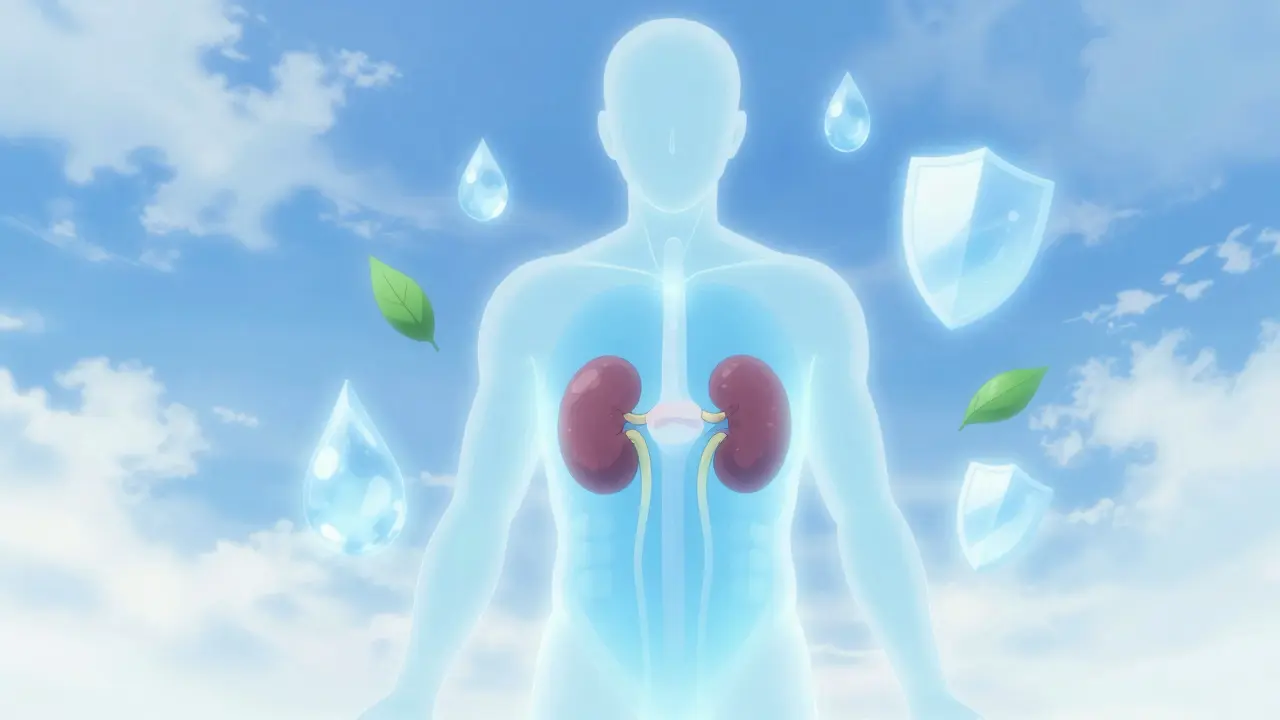
Why does all this effort matter beyond avoiding pain? Because recurrent kidney stones are linked to a higher risk of chronic kidney disease (CKD). A 2022 study published in the Journal of Urology found that 19% of recurrent stone formers develop CKD. Each episode of stone formation causes inflammation and scarring in the kidney tissue. Over time, this cumulative damage can impair kidney function.
Moreover, the economic burden is substantial. Emergency room visits and surgical interventions cost thousands of dollars per episode. Preventing recurrence saves money and preserves your quality of life. Dr. Juan Calle, a leading urologist, emphasizes that patients should view this as a chronic disease managed by a multidisciplinary team involving dietitians, nephrologists, and urologists.
Adopting a DASH-style diet (Dietary Approaches to Stop Hypertension) has shown promise in reducing stone risk by 40-50%. This diet is rich in fruits, vegetables, whole grains, and low-fat dairy, while being low in saturated fats and sodium. It aligns perfectly with kidney stone prevention guidelines.
Practical Steps to Start Today
Changing your habits takes time. Start with small, sustainable adjustments:
- Buy a marked water bottle: Track your intake visually. Aim for consistent sipping throughout the day rather than chugging large amounts at once.
- Add lemon to your water: Squeeze half a lemon into your morning glass. It adds flavor and protective citrate.
- Read labels for sodium: Choose low-sodium versions of canned goods, soups, and snacks. Look for items with less than 140mg of sodium per serving.
- Pair oxalate with calcium: If you are eating spinach salad, add feta cheese or yogurt dressing. If you are having almonds, pair them with milk or yogurt.
- Keep a food diary: For two weeks, record everything you eat and drink. This helps identify hidden sources of sodium and oxalate and makes it easier to discuss patterns with your healthcare provider.
Remember, consistency is key. Occasional slip-ups won’t cause immediate stones, but long-term adherence to these principles dramatically reduces your risk. You are not just treating a symptom; you are managing a metabolic condition. With the right knowledge and tools, you can stay stone-free and protect your kidney health for years to come.
How much water should I drink to prevent kidney stones?
You should aim to drink enough fluid to produce at least 2.5 liters of urine per day. This typically requires consuming 2.5 to 3 liters of water daily. Monitor your urine color; it should be pale yellow or clear. Dark urine indicates dehydration.
Should I stop eating calcium to prevent kidney stones?
No, you should not stop eating calcium. Restricting calcium increases the risk of stones because it allows more oxalate to be absorbed into the bloodstream. Maintain a normal calcium intake of 1,000-1,200 mg per day through food sources like dairy and leafy greens.
What foods should I avoid if I get kidney stones?
Limit high-sodium foods (processed meats, canned soups, fast food), excessive animal protein (red meat, poultry, eggs), and sugary fizzy drinks. Also, moderate intake of very high-oxalate foods like spinach, rhubarb, and nuts, but always pair them with calcium-rich foods.
Does lemon juice really help prevent kidney stones?
Yes, lemon juice is beneficial. Lemons and limes are high in citrate, a substance that prevents calcium from binding with other minerals to form stones. Adding fresh lemon juice to your water can help increase urinary citrate levels.
When should I see a doctor for kidney stone prevention?
If you have had more than one kidney stone, you should see a urologist for a metabolic work-up. This includes a 24-hour urine test to identify specific chemical imbalances in your urine that contribute to stone formation, allowing for personalized dietary and medical recommendations.