
Imagine waking up in the middle of the night gasping for air, only to realize you've physically sealed your only alternative airway with a piece of adhesive tape. For thousands of people scrolling through TikTok, this sounds like a nightmare, but for others, it's a "biohack" they're eager to try. Mouth taping is the practice of placing a strip of medical or sports tape over the lips before bed to force the body to breathe through the nose. While the promise of deeper sleep and a more defined jawline is tempting, the reality is that taping your mouth shut is a high-risk gamble if you don't actually know how your body breathes during the night.
The Logic Behind the Trend
The push for mouth taping isn't coming from doctors, but from social media influencers. The core idea is that nasal breathing is naturally superior. Your nose filters air, warms it, and produces nitric oxide, which helps with blood flow. When you breathe through your mouth, you miss out on these benefits and often wake up with a dry throat or "morning breath.'"
Many proponents claim that by forcing nasal breathing, they can cure snoring, fix sleep apnea, and even reverse aging by preventing the "long face" look associated with chronic mouth breathing. It sounds simple: just put a piece of tape on, and your body resets to its natural state. However, the gap between a viral video and clinical reality is massive. Most of these claims aren't backed by gold-standard medical trials, but by anecdotes from people who might just have mild snoring rather than a serious medical condition.
What the Science Actually Says
When we move away from TikTok and look at actual research, the picture gets blurry. A systematic review published in PLOS One is a peer-reviewed open access scientific journal that publishes research across all disciplines in 2020 screened over a hundred articles and found that the evidence supporting mouth taping is incredibly thin. Out of ten studies that met their criteria, only two showed a statistically significant improvement in how often a person stops breathing during sleep.
There is a small glimmer of hope for specific groups. A study published via the NIH is the National Institutes of Health, the primary agency of the United States government responsible for biomedical and public health research in 2022 looked at people with mild Obstructive Sleep Apnea is a sleep disorder where the upper airway becomes blocked, causing a person to stop breathing periodically during sleep (OSA). They found that for people who could actually tolerate the tape and didn't have blocked noses, snoring and apnea events dropped by about 50%. But here is the catch: the researchers noted that most of these people had "positional" apnea, meaning their issues were mostly tied to how they slept, not a fundamental failure of their airway.
| Treatment | Typical Cost | Effectiveness Rate | Medical Approval |
|---|---|---|---|
| Mouth Taping | $5 - $15 | Inconsistent / Low | None (FDA not approved) |
| CPAP | $500 - $3,000 | 85% - 90% | Gold Standard for OSA |
| Mandibular Advancement | $1,000 - $2,500 | 40% - 60% | Clinically Recognized |
The Danger Zone: Why You Shouldn't Do This Alone
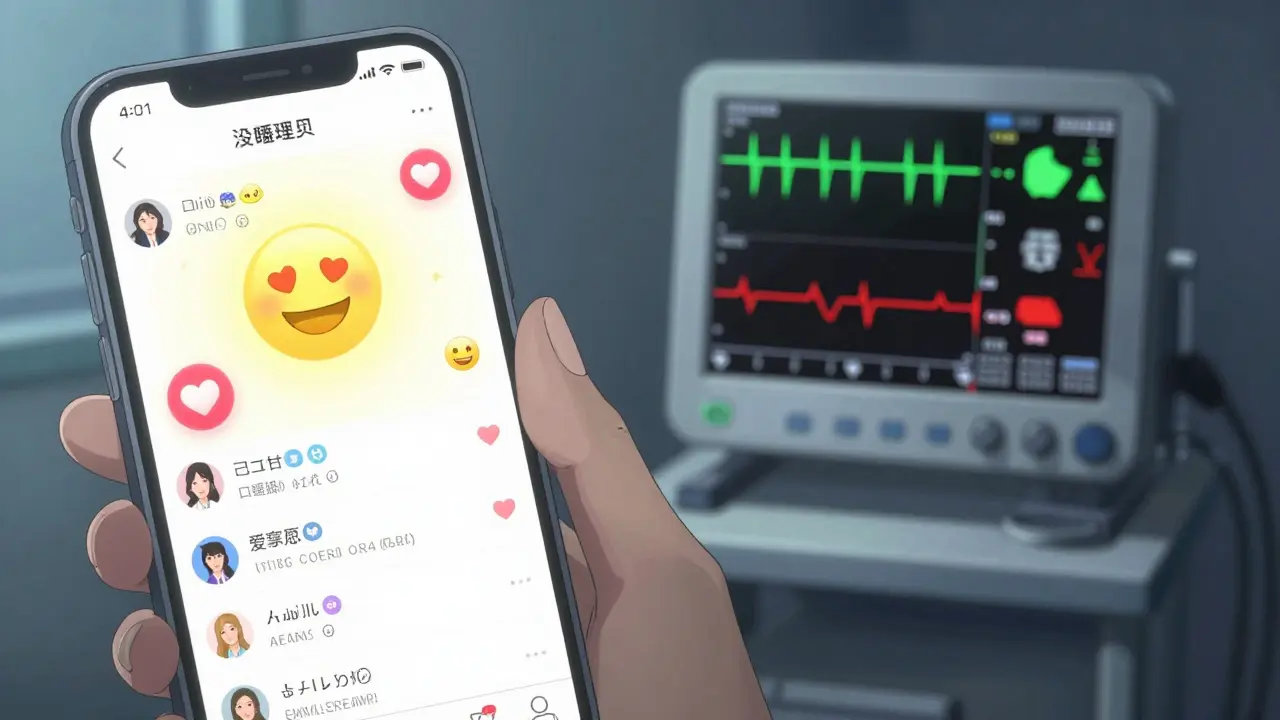
The biggest risk with mouth taping is that it masks a problem without fixing it. If you have undiagnosed sleep apnea, your body is fighting to get oxygen. By taping your mouth shut, you remove the "emergency valve" your brain uses to wake you up or get a quick gulp of air. This can lead to dangerous drops in blood oxygen levels.
A June 2023 study in the Journal of Clinical Sleep Medicine found that 22% of participants with mild OSA experienced clinically significant oxygen desaturation (where oxygen levels drop below 88%) when using mouth tape, compared to only 4% when they slept normally. This isn't just a "bad night's sleep"-repeated drops in oxygen put a massive strain on your heart and can increase the risk of heart disease over time.
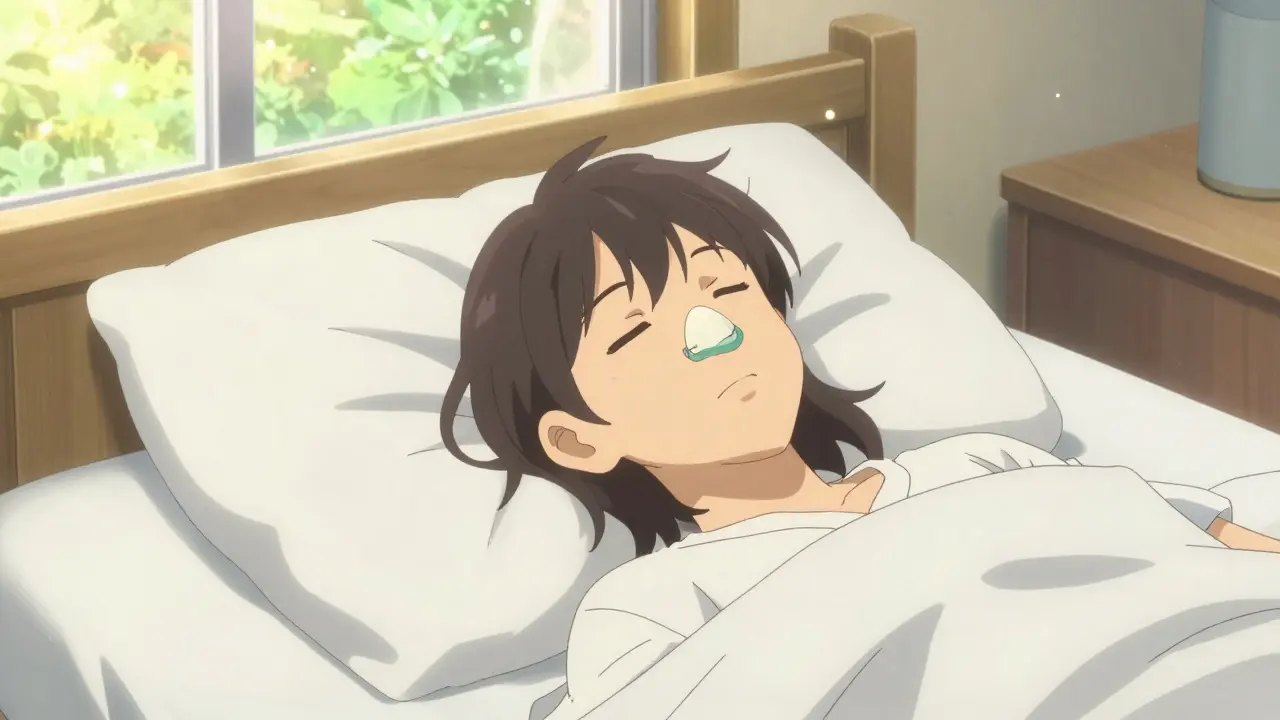
Then there is the "mouth puffing" phenomenon. Researchers found that many people don't actually switch to nasal breathing; instead, they spend the night trying to force air around the edges of the tape. This creates a struggle for breath that can trigger anxiety and leave you feeling more exhausted upon waking than if you had just breathed through your mouth.
Real-World Experiences: The User Gap
If you look at communities like Reddit's r/SleepApnea, you'll see a pattern. People with very mild snoring often report feeling "refreshed." However, the horror stories come from those with actual respiratory issues. Reports of waking up gasping, experiencing panic attacks in the middle of the night, or suffering from severe skin irritation are common. A survey of over 400 users found that nearly 70% quit the practice within two weeks because it was simply too uncomfortable.
The problem is that the viral content we see on TikTok often ignores these failures. Analysis shows that the vast majority of mouth-taping videos promote the benefits without ever mentioning the risks. They treat it like a beauty tip rather than a medical intervention, which is dangerous because not everyone's anatomy is the same. If you have a deviated septum or chronic nasal congestion, taping your mouth is essentially cutting off your air supply.
Safer Ways to Improve Your Sleep
If you're convinced you're a mouth breather and want to change that, there are ways to do it without the risk of suffocating. The first step is ensuring your nose is actually open. You can't force air through a closed door. Try using a saline rinse or a Nasal Dilator is a device inserted into the nostrils to physically widen the nasal passage and increase airflow to clear the way.
Instead of a full seal, some experts suggest starting with very small pieces of tape during a daytime nap to see how your body reacts. But honestly, the safest route is to get a professional sleep study. If you're snoring heavily, a Polysomnography is a comprehensive recording of the physiology of sleep, including brain waves, blood oxygen levels, heart rate, and breathing can tell you exactly why you're mouth breathing. You might find that you need a CPAP machine or a dental appliance, which are proven to work and won't leave you gasping for air at 3 AM.
Can mouth taping cure sleep apnea?
No. Mouth taping is not a cure or a recognized treatment for sleep apnea. While it might reduce snoring in some people with very mild cases, it does not address the underlying cause of obstructive sleep apnea (the collapse of the airway). In many cases, it can actually make sleep apnea more dangerous by preventing a person from using their mouth to breathe when the nasal passage is blocked.
What kind of tape is typically used for mouth taping?
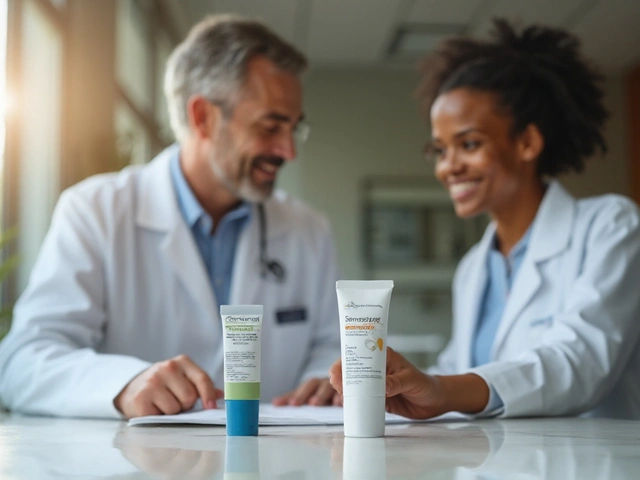
Most proponents suggest using hypoallergenic medical-grade paper tape, such as 3M Micropore, because it is gentler on the skin and easier to remove. However, using any kind of adhesive on the lips nightly can cause skin irritation and breakouts.
Is it safe to try mouth taping if I have a cold?
Absolutely not. If you have a cold, allergies, or any nasal congestion, your nasal passages are partially blocked. Taping your mouth shut in this state can severely restrict your oxygen intake and is extremely dangerous.
Will mouth taping help me lose weight or change my face shape?
There is no scientific evidence that taping your mouth during sleep causes weight loss or changes your bone structure. While proper tongue posture (resting the tongue on the roof of the mouth) is a topic in orthodontics, simply taping the lips does not provide the therapeutic pressure needed to change facial anatomy.
Who should definitely avoid mouth taping?
Anyone with diagnosed sleep apnea, asthma, chronic obstructive pulmonary disease (COPD), nasal obstructions (like a deviated septum), or those who have a tendency to vomit during sleep should avoid mouth taping entirely. Additionally, people with severe anxiety or panic disorders may find the sensation of being unable to open their mouth triggering.