

Medication-Induced Anxiety Checker
Step 1: Select Your Medication Category
Choose the category that best matches the prescription you recently started or changed.
Did you know?
About 42% of people experiencing medication-induced anxiety wait more than three months before their healthcare provider identifies the medication as the cause.
Key Sign: If anxiety starts shortly after beginning a new medication and improves when you miss a dose, it is likely medication-induced.
Have you ever started a new prescription for a physical ailment-like asthma or an infection-and suddenly felt your heart racing, your palms sweating, and a wave of panic washing over you? You might assume you’re developing a new mental health issue. But what if the culprit isn’t your mind, but the medicine in your bloodstream?
This is medication-induced anxiety, formally known as substance-induced anxiety disorder. It’s a real, physiological reaction where specific drugs trigger symptoms that mimic generalized anxiety disorder (GAD) or panic attacks. Unlike primary anxiety, which often requires long-term management, this type typically resolves once the offending substance leaves your system or your body adjusts to it.
The problem? Many patients suffer in silence for months, waiting for doctors to connect the dots. According to consumer surveys cited by GoodRx, about 42% of people experiencing these symptoms wait more than three months before their healthcare provider identifies the medication as the cause. Knowing the triggers and having a plan can save you from unnecessary stress and misdiagnosis.
How Medications Trigger Anxiety in the Brain
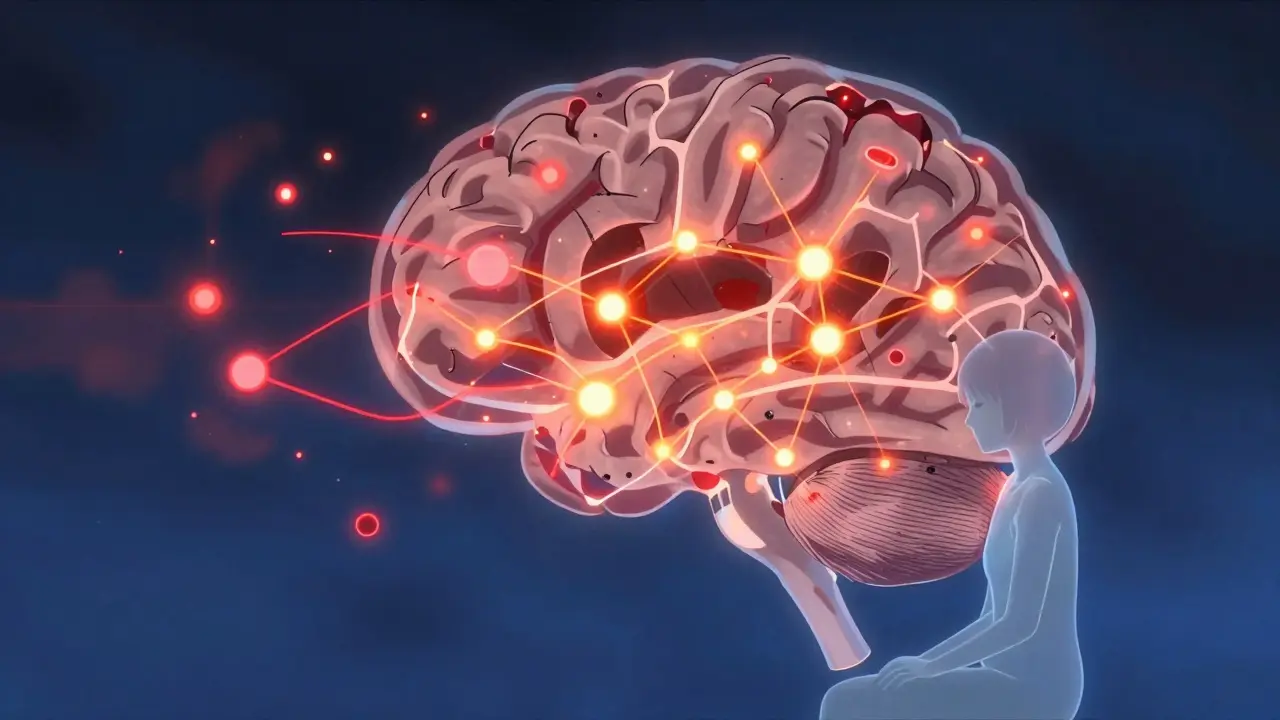
To understand why a pill meant to heal you makes you feel nervous, we need to look at brain chemistry. Your brain relies on a delicate balance of neurotransmitters-chemical messengers like serotonin, dopamine, and norepinephrine-to regulate mood and stress responses.
Certain medications disrupt this balance by increasing activity in the sympathetic nervous system, which controls your "fight or flight" response. When this system gets overstimulated, your body reacts as if it’s in danger, even when you’re sitting safely on your couch. This leads to classic anxiety symptoms: rapid heartbeat, trembling, hyperventilation, and a sense of impending doom.
Dr. John Preston, a clinical professor of psychiatry at UC Davis, notes that recognizing this distinction is vital. If you treat medication-induced anxiety with anti-anxiety drugs without addressing the root cause (the original medication), you’re only masking the symptom while potentially adding more chemical load to your system. The key is identifying whether the anxiety is a side effect or a pre-existing condition.
Top Medication Categories That Cause Nervousness
Not all drugs are created equal when it comes to side effects. Research from WebMD and Harvard Medical School experts identifies several common categories that frequently trigger anxiety. Here is a breakdown of the most likely culprits:
| Medication Category | Common Brand Names | Why It Causes Anxiety |
|---|---|---|
| Corticosteroids | Prednisone, Dexamethasone, Hydrocortisone | Affects the HPA axis (stress response); causes irritability, sleep issues, and mood swings. |
| ADHD Stimulants | Adderall, Ritalin, Vyvanse, Concerta | Increases dopamine/norepinephrine; can lead to overstimulation and restlessness. |
| Asthma Inhalers | Albuterol (Proventil), Salmeterol (Serevent) | Mimics panic symptoms like trembling, racing heart, and sweating. |
| Thyroid Medications | Levothyroxine (Synthroid) | Excess dosage speeds up metabolism, causing jitteriness and palpitations. |
| Decongestants | Sudafed (Pseudoephedrine) | Constricts blood vessels and stimulates the central nervous system. |
| Caffeine-Containing Drugs | Certain pain relievers, cold medicines | Direct stimulant effect on the brain, similar to drinking strong coffee. |
Corticosteroids: The Silent Stressors
Drugs like Prednisone are powerful anti-inflammatories used for everything from asthma flares to autoimmune conditions. However, they directly impact the hypothalamic-pituitary-adrenal (HPA) axis, which regulates how your body handles stress. High doses or prolonged use can lead to significant psychological changes. One patient, 'MedReaction87,' shared on Reddit that after starting prednisone, they experienced three panic attacks in two days despite never having anxiety before. Their doctor didn’t make the connection until the patient brought up medical literature linking steroids to anxiety.
ADHD Medications: The Fine Line Between Focus and Jitters
Stimulants like Adderall and Ritalin work by revving up nerve cell messaging. While this helps with focus, it can easily tip into overstimulation. Symptoms include restlessness, mood changes, and intense nervousness. The good news? Clinicians often manage this by lowering the dose or switching to non-stimulant alternatives like atomoxetine (Strattera). A user named 'ADHDmom' reported a 70% decrease in anxiety symptoms within two weeks of switching from Adderall to a lower dose of Vyvanse.
Thyroid Meds: When "Normal" Feels Like Panic
If you take Levothyroxine for hypothyroidism, your dosage needs to be precise. Too much thyroid hormone mimics hyperthyroidism, leading to rapid heartbeat, tremors, and constant worry. 'ThyroidWarrior' on HealthUnlocked noted it took three months and two different doctors to realize their anxiety wasn’t a new mental health condition but a sign their TSH levels were too low due to over-medication. Regular monitoring of TSH levels (ideally between 0.4 and 4.0 mIU/L) is crucial to prevent this.
Distinguishing Side Effects from Primary Anxiety
One of the biggest challenges in diagnosis is timing. According to the DSM-IV criteria, symptoms of generalized anxiety must persist for at least six months and occur during times when the patient is not using or recovering from substances. For short-acting drugs, clinicians might wait one week of abstinence to assess true anxiety levels. For longer-acting substances, this window could extend to 4-8 weeks.
If your anxiety starts shortly after beginning a new medication and improves when you miss a dose or stop taking it, it’s highly likely to be medication-induced. Keep a detailed symptom journal. Note the time you take your medication and when anxiety spikes. This data is invaluable for your doctor.

Actionable Solutions: What To Do Next
Feeling anxious because of your meds doesn’t mean you have to live with it. Here is a step-by-step approach to managing and resolving medication-induced anxiety:
- Don’t Stop Abruptly: Suddenly quitting certain medications, especially corticosteroids or ADHD stimulants, can cause withdrawal symptoms that worsen anxiety. Always consult your doctor first.
- Request a Dosage Adjustment: Often, a slight reduction in dose can eliminate side effects while maintaining therapeutic benefits. For ADHD meds, starting at a very low dose and titrating up slowly prevents anxiety in about 65% of susceptible patients.
- Switch Alternatives: Ask if there’s a non-stimulant option for ADHD or a different class of antibiotic or decongestant. For example, switching from pseudoephedrine to a non-stimulating decongestant can resolve jitters.
- Taper Corticosteroids Gradually: If steroids are the cause, a slow taper allows your HPA axis to reset without triggering severe withdrawal anxiety.
- Use CBT as a Bridge: Cognitive Behavioral Therapy (CBT) has a 60-70% success rate in managing anxiety symptoms during the transition period. It helps you cope with the physical sensations of anxiety while your body adjusts to new meds.
- Monitor Thyroid Levels: If you’re on thyroid medication, request regular blood tests to ensure your TSH remains in the optimal range.
Prevention and Future Outlook
Prevention starts with communication. If you have a history of anxiety disorders, tell your doctor before starting any new treatment. The Mayo Clinic recommends discussing potential risks upfront. Additionally, ask for the lowest effective dose possible, particularly for drugs known to cause nervousness.
Research is moving toward personalized medicine. Recent studies funded by the National Institute of Mental Health (NIMH) are investigating genetic variants in the CYP2D6 enzyme pathway. These genes may predict who is more susceptible to anxiety side effects. In the future, pharmacogenetic testing could allow doctors to prescribe medications that match your unique biology, minimizing adverse reactions.
Until then, awareness is your best tool. If you feel a sudden onset of nervousness after starting a new drug, don’t ignore it. It’s not just "in your head"-it’s likely in your prescription bottle. Speak up, track your symptoms, and work with your healthcare provider to find a solution that treats your condition without compromising your peace of mind.
How long does medication-induced anxiety last?
The duration depends on the medication's half-life and whether it is discontinued. For short-acting drugs, symptoms may resolve within a few days to a week after stopping. For longer-acting medications or those requiring tapering (like steroids), it may take several weeks for the body to fully clear the substance and for brain chemistry to rebalance. Typically, once the trigger is removed, the anxiety subsides significantly.
Can antibiotics cause anxiety?
Yes, certain antibiotics have been linked to anxiety and other neurological side effects. While less common than with stimulants or steroids, some individuals report feeling nervous, restless, or experiencing mood changes while on specific antibiotic courses. If this happens, inform your doctor immediately to see if an alternative antibiotic is available.
Is medication-induced anxiety permanent?
No, it is generally not permanent. Unlike primary anxiety disorders which are chronic conditions, substance-induced anxiety is temporary. It resolves once the medication is eliminated from your system or your body adapts to the dosage through adjustment. However, untreated prolonged exposure can sometimes exacerbate underlying anxiety tendencies, so early intervention is key.
What should I do if my ADHD meds make me anxious?
Do not stop taking them abruptly. Contact your prescriber to discuss lowering the dose or switching to a non-stimulant medication like atomoxetine (Strattera) or guanfacine. Sometimes, simply adjusting the timing of the dose or trying a different formulation (e.g., extended-release vs. immediate-release) can reduce the jittery side effects.
How can I tell if my anxiety is from medication or a mental health condition?
Look at the timeline. If anxiety symptoms began shortly after starting a new medication or increasing a dose, and coincide with physical side effects like rapid heartbeat or tremors, it is likely medication-induced. Primary anxiety often develops gradually or is triggered by life events rather than chemical intake. Keeping a symptom diary relative to your medication schedule is the best way to provide evidence to your doctor.