
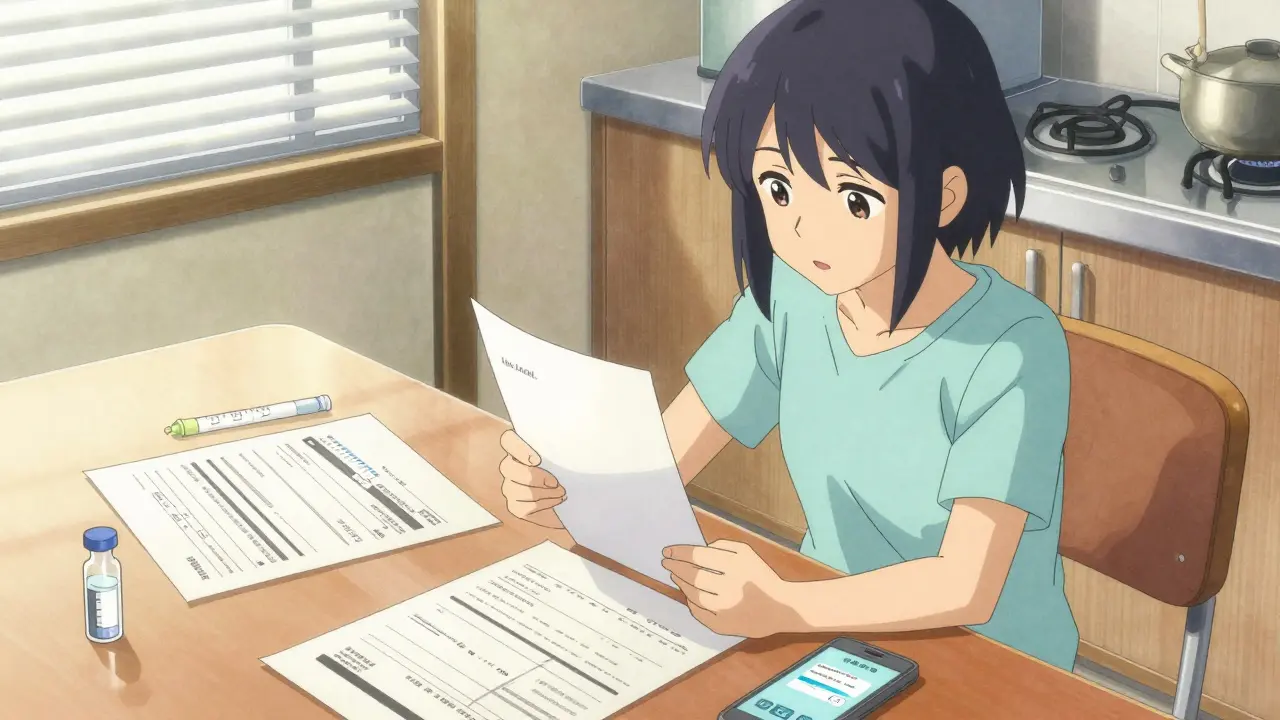
When your doctor prescribes a brand-name medication and your insurance denies coverage, it’s not just a paperwork hiccup-it can mean a dangerous gap in your treatment. Many people assume generics are always the answer, but that’s not true. Sometimes, only the brand-name version works. And when insurance refuses to cover it, you have rights. You can fight back. And you can win.
Why Insurance Denies Brand-Name Medications
Insurance companies don’t deny brand-name drugs just to be difficult. They do it because of formularies-lists of drugs they agree to pay for. If your medication isn’t on that list, they’ll push you toward a cheaper generic. But here’s the catch: not all generics work the same. For some conditions-like epilepsy, autoimmune disorders, or type 1 diabetes-the difference between a brand and generic can mean the difference between stability and hospitalization. In 2022, the Centers for Medicare & Medicaid Services found that 63% of prior authorization denials were for brand-name medications. Why? Formulary changes. Insurers often switch preferred drugs without telling patients. You’ve been taking Humalog insulin for years. One day, your plan drops it. Suddenly, you’re told to switch to a generic. But that generic causes severe low blood sugar. That’s not a preference-it’s a health risk.What You Need to Do Right Away
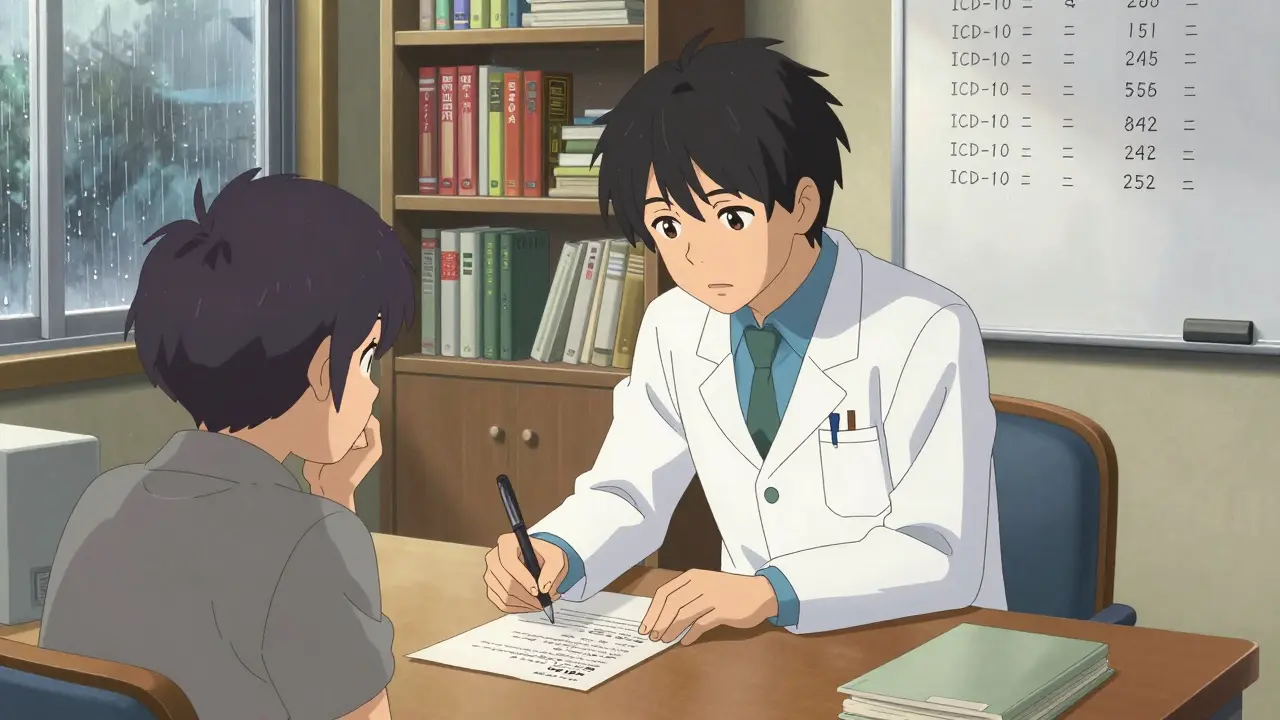
The first thing you need to do? Read your Explanation of Benefits (EOB). It’s the letter your insurer sends after denying coverage. It should clearly state why they denied it. Look for phrases like “not medically necessary,” “generic alternative available,” or “prior authorization not approved.” Write down the denial code. You’ll need it. Next, call your doctor’s office. Don’t wait. Don’t assume they’ll handle it. Call them yourself. Ask for a letter of medical necessity. This isn’t a form letter. It needs specifics:- Your diagnosis and how the medication treats it
- What other medications you tried-and why they failed
- How the brand-name drug improves your daily life (e.g., fewer hospital visits, better blood sugar control, reduced pain)
- The exact drug name, dose, and frequency
- Any relevant diagnosis codes (ICD-10) and procedure codes (CPT)
The Two-Step Appeal Process
There are two stages: internal appeal and external review. Internal Appeal: This is your first shot. You submit your letter and supporting documents to your insurer. The timeline depends on your plan:- Standard cases: 180 days to file (Healthcare.gov, 2023)
- Medicare: 120 days
- Medicaid: Varies by state
- Urgent cases: Must be decided in 4 business days
Documents That Win Appeals
The letter from your doctor is the most important-but it’s not enough. You need backup:- Lab results showing your condition worsened on generics
- Pharmacy records showing you tried and failed other options
- Hospital discharge summaries if you were admitted due to medication failure
- Letters from specialists (endocrinologist, neurologist, etc.) confirming the need
What to Do If the Appeal Fails
If the external review denies your case, you still have options. For ERISA plans: You can sue-but only after exhausting all appeals. And here’s the hard truth: federal judges decide these cases. No juries. No emotional testimony. Just paperwork. That’s why Kantor & Kantor found that appeals drafted by attorneys have a 47% higher success rate than those filed by patients alone. For non-ERISA plans: You can appeal to your state’s insurance commissioner again, or file a complaint with the Consumer Financial Protection Bureau. In the meantime, don’t stop taking your medication. Many drug manufacturers offer patient assistance programs. Eli Lilly’s Insulin Value Program has helped over 1.2 million people access brand-name insulin while waiting for appeals. Check the manufacturer’s website. Ask your pharmacist. You might qualify for free or low-cost medication during the process.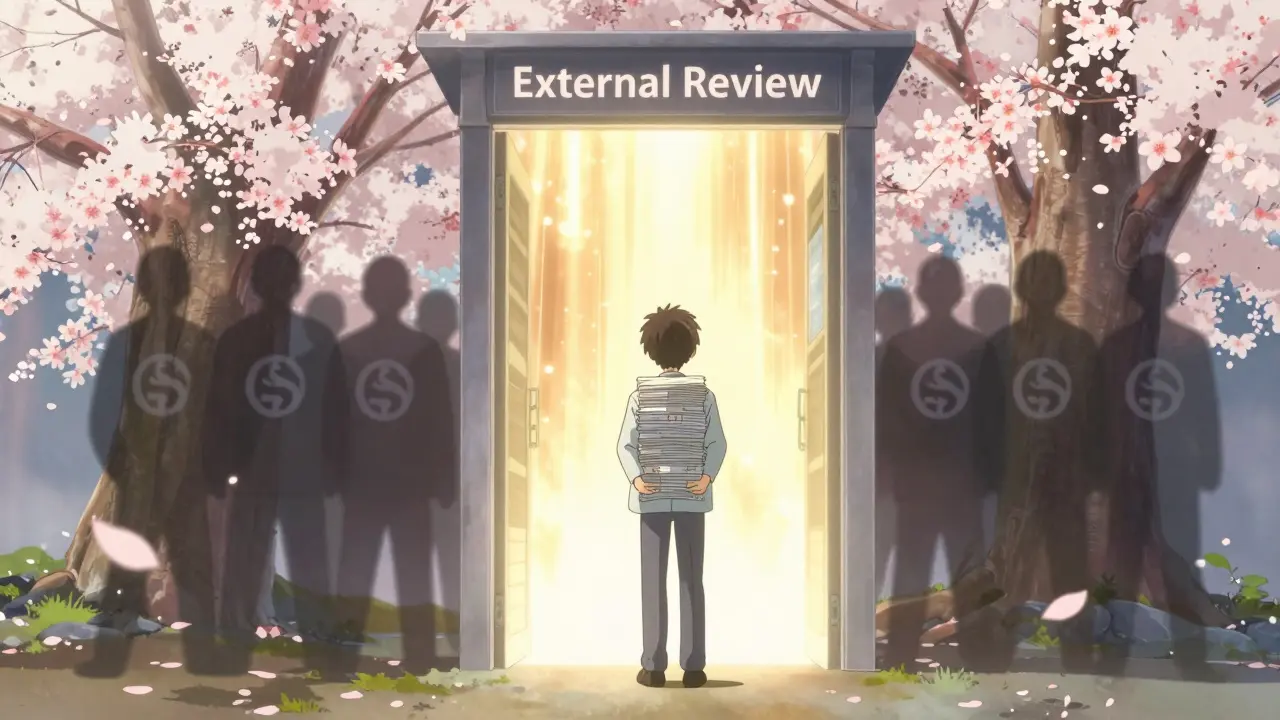
Real Stories, Real Results
A father in Ohio appealed his son’s Humalog insulin denial after the generic caused three hypoglycemic seizures. He submitted blood sugar logs, ER records, and a letter from his pediatric endocrinologist. The external review approved coverage in 11 days. A woman in Florida spent six months fighting a denial for a brand-name multiple sclerosis drug. Her doctor wrote the letter. She called the insurer every day. She sent copies of every document. She finally won-but only after hiring a lawyer. It cost $2,500. But her health didn’t wait. And neither should you.How to Prevent This Next Time
Don’t wait for a denial to act. Before your next prescription:- Call your insurer and ask: “Is this medication covered under my plan?”
- Ask for the formulary list. Look up your drug by name.
- Ask if prior authorization is required. If yes, get it done before filling.
- Ask if there’s a bridge program for brand-name drugs during appeals.
Final Advice
You are not alone. 61% of people feel overwhelmed by the appeals process. 44% needed help from a doctor or lawyer to succeed. That’s not weakness-it’s strategy. Don’t try to do it all yourself. Get your doctor involved. Save every email, call log, and document. If you’re in a crisis, call a patient advocacy group. The Patient Advocate Foundation offers free help. And remember: insurance companies are businesses. They save money by denying claims. But the law is on your side. You have the right to appeal. You have the right to evidence. And if you push back-with the right documents and the right timing-you will get your medication.What if my insurance says a generic is just as good?
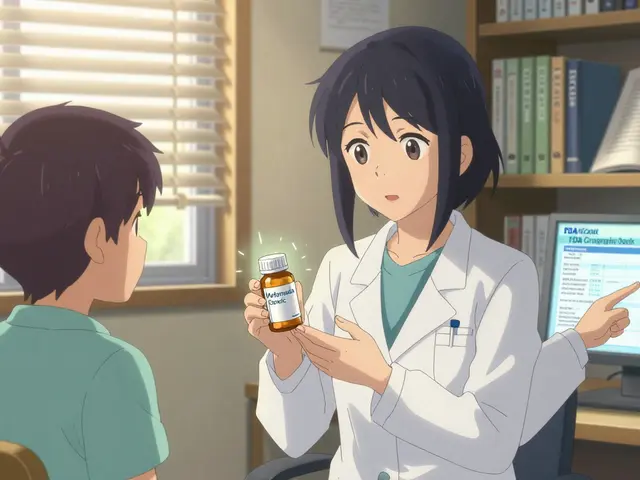
Insurers often claim generics are equivalent, but that’s not always true. For drugs with narrow therapeutic windows-like warfarin, levothyroxine, or seizure medications-small differences in absorption can cause serious side effects. Your doctor must document why the brand is medically necessary. The FDA doesn’t require generics to prove they work exactly the same in every patient. That’s why your clinical history matters more than their policy.
How long do I have to appeal?
For most private insurance plans, you have 180 days from the denial date to file an internal appeal. Medicare gives you 120 days. Medicaid varies by state, but most allow at least 60 days. If your condition is urgent-like needing insulin or a life-saving biologic-you can request an expedited review, which must be decided in 4 business days. Don’t wait until the last day. Start immediately.
Can I appeal if I’m on Medicare?
Yes. Medicare Part D plans must allow appeals. The process is similar: file an internal appeal with your plan, then request an external review by an independent organization. You can also contact Medicare directly at 1-800-MEDICARE. If your drug is on the Medicare formulary but was denied due to prior authorization, your doctor can request a formulary exception, which is a type of appeal.
Do I need a lawyer to appeal?
Not always, but it helps. For ERISA plans (which cover most employer-based insurance), having a lawyer increases your success rate by 47%. They know how to structure the appeal to meet legal standards and anticipate insurer tactics. If your case involves chronic illness, high costs, or multiple denials, hiring a lawyer is worth considering. Many offer free consultations. Some nonprofit legal aid groups specialize in health insurance appeals.
What if my doctor won’t help me appeal?
If your doctor refuses, ask to speak with the office manager or clinic administrator. Most clinics have a process for writing these letters. If they still won’t help, contact a patient advocacy organization like the Patient Advocate Foundation or the National Organization for Rare Disorders. They can help you draft a letter and even contact your doctor on your behalf. You have a right to your prescribed treatment-your doctor should support that.



Comments
Stephen Habegger
Just wanted to say this post saved my life. I was denied Humalog last year, thought I was done for. Got the letter from my endo, submitted lab logs, called every day. Approved in 11 days. You’re not alone. Keep pushing.
And yeah - drug companies have patient programs. Eli Lilly gave me 6 months free insulin while I appealed. Don’t give up.
Justin Archuletta
YES. YES. YES.!!!!!
Doctors don’t do enough. You HAVE to call them. Like, right now. Don’t wait. I waited three weeks. My blood sugar went nuts. Don’t be me.
Also - ask for the peer-to-peer. It’s magic. My doc called them. They backed down. No paperwork needed. Just a conversation.
Sanjana Rajan
Wow. Another ‘poor me’ sob story from someone who can’t afford the $50 generic.
Let me guess - you’re on Medicaid and still complaining? Get a job. Or switch to a plan that covers what you need. Insurance isn’t your personal pharmacy. Maybe you should’ve checked the formulary BEFORE you got prescribed.
Also - ‘narrow therapeutic window’? That’s just corporate jargon for ‘I’m too lazy to adjust my dose.’
Kyle Young
It’s fascinating how the system forces patients into adversarial relationships with institutions designed to mitigate risk - yet the moral burden of survival is placed entirely on the individual.
Why is the onus on the diabetic to compile 17 years of medical records, when the insurer could simply maintain a transparent, dynamic formulary with real-time alerts?
Perhaps the deeper question isn’t how to appeal - but why the architecture of care is built on obstruction rather than access. The law may be on our side - but is justice? Or just procedure?
Aileen Nasywa Shabira
Oh wow, a 78% success rate? Must be nice to have a doctor who actually cares.
Meanwhile, I’m on a Medicare Advantage plan where my doctor won’t even return calls unless I threaten to switch.
And let’s be real - the ‘external review’ is just a fancy name for ‘we’ll ignore you until you give up.’
Also - ‘patient assistance programs’? Try applying for one when you’re uninsured and have a pre-existing condition. Good luck with that. 😏
Kendrick Heyward
I’ve been there. Lost my job. Lost my insurance. My insulin was denied. I cried in the pharmacy parking lot.
Then I found a nonprofit that helped me. I’m alive today because someone cared enough to fight for me.
If you’re reading this and you’re scared - you’re not broken. You’re being crushed by a system that doesn’t see you as human.
❤️ You matter. Keep going.
lawanna major
The structural inequities embedded in formulary design reveal a deeper failure in healthcare policy: the assumption that biological equivalence equates to clinical equivalence.
While the FDA’s bioequivalence standards are statistically sound at the population level, they fail to account for interindividual pharmacokinetic variance - particularly in conditions with narrow therapeutic indices.
Moreover, the burden of documentation, while necessary, disproportionately affects marginalized populations with limited access to medical advocacy resources.
This is not merely an appeals process - it is a litmus test for systemic compassion.
Ryan Voeltner
The integrity of the appeals process hinges on the alignment of institutional responsibility with patient welfare. While procedural pathways exist, their effectiveness depends on the willingness of stakeholders to prioritize clinical outcomes over cost containment. A collaborative approach between insurers providers and patients is not ideal - it is imperative.
Linda Olsson
Let’s not pretend this isn’t a scam. Insurance companies don’t deny because of ‘formularies.’ They deny because they’re owned by private equity firms that profit from delayed care.
And your ‘doctor’s letter’? That’s just theater. The real power is in the boardroom - where actuaries decide who lives and who dies based on spreadsheets.
And don’t even get me started on ‘patient assistance programs.’ Those are just PR stunts to keep you quiet while they raise premiums next year.
Wake up. This system is rigged. And you’re just a line item.