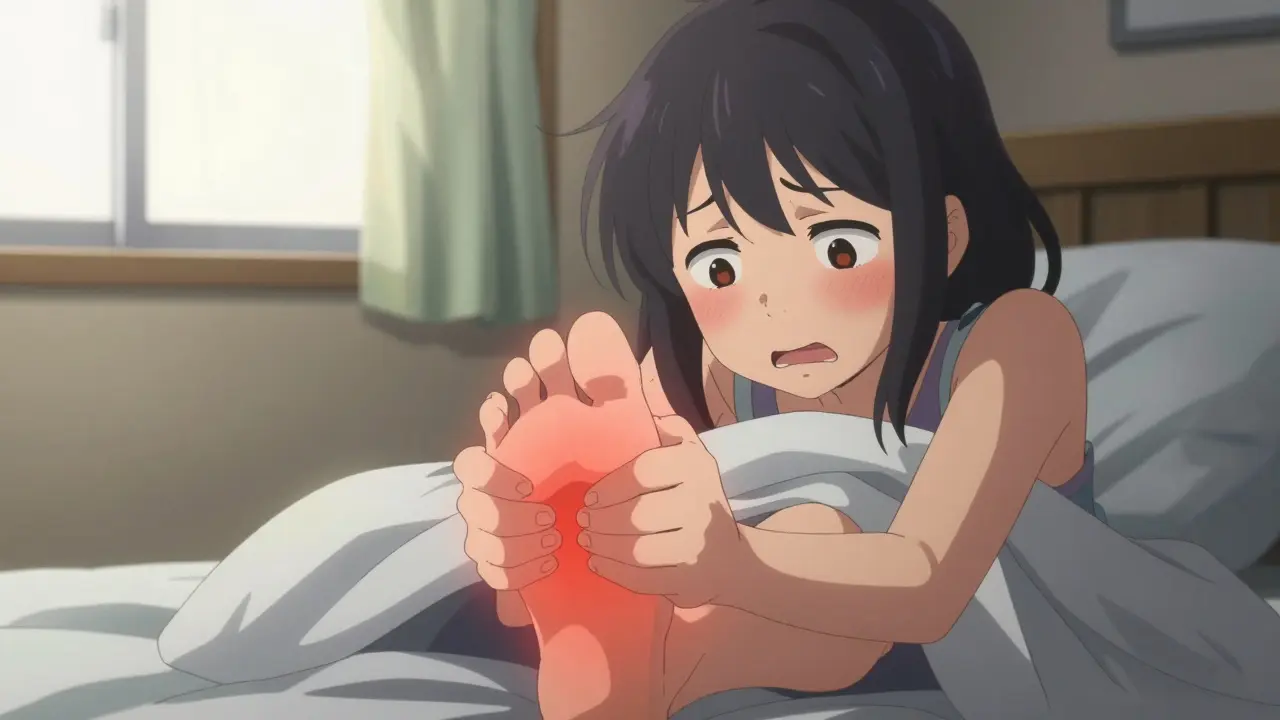
Waking up with a toe that feels like it’s being crushed by a hydraulic press is not just painful-it’s terrifying. This is the reality of an acute gout flare, a sudden and intense form of inflammatory arthritis caused by uric acid crystals depositing in joints. For millions of people, the clock starts ticking the moment that first twinge of pain hits. The difference between a manageable discomfort and a week-long nightmare often comes down to one thing: how quickly you treat it. But which medication should you reach for? The answer isn’t as simple as picking the strongest drug. It depends on your health history, kidney function, and even your stomach’s tolerance.
In this guide, we break down the three main pillars of acute gout treatment: NSAIDs (nonsteroidal anti-inflammatory drugs), colchicine, and corticosteroids. We’ll look at how they work, their side effects, and who they are best suited for, so you can have a more informed conversation with your doctor.
The Golden Rule: Speed Matters
Before comparing specific drugs, there is one non-negotiable rule in gout management: timing. Experts, including rheumatologists like Robert T. Keenan from Duke University, emphasize that treatment must begin within 24 hours of pain onset. Some clinicians even joke about starting treatment within "24 seconds" because every hour counts. Delaying treatment allows inflammation to spiral out of control, making it harder to stop and prolonging your suffering.
If you know you are prone to gout flares, having a pre-approved plan with your doctor is essential. Do not wait until the pain is unbearable to make a call. Early intervention stops the inflammatory cascade before it fully establishes itself in the joint.
NSAIDs: The Heavy Hitters
NSAIDs are often the first line of defense for many patients because they are widely available and highly effective at reducing inflammation and pain. However, treating a gout flare requires much higher doses than what you might take for a headache or muscle ache. Over-the-counter low-dose ibuprofen usually won’t cut it.
To effectively combat a gout attack, doctors typically prescribe high-dose regimens such as:
- Naproxen 500 mg twice daily
- Ibuprofen 800 mg three times daily
- Indomethacin 50 mg three times daily
While indomethacin was historically the go-to NSAID for gout, recent guidelines suggest that other NSAIDs like naproxen or ibuprofen are equally effective when dosed correctly. In fact, some studies indicate that naproxen may cause fewer gastrointestinal side effects than indomethacin.
Who should avoid NSAIDs? These drugs carry significant risks for certain groups. If you have a history of stomach ulcers, bleeding disorders, kidney disease, or heart failure, NSAIDs can be dangerous. They inhibit prostaglandins, which protect the stomach lining and regulate blood flow to the kidneys. For elderly patients or those with multiple comorbidities, the risk of gastrointestinal bleeding or renal impairment often outweighs the benefits.
Colchicine: The Crystal Specialist
Colchicine works differently than NSAIDs. Instead of broadly blocking inflammation, it specifically interferes with the way white blood cells respond to uric acid crystals. This makes it highly targeted but also notoriously difficult to tolerate if not dosed correctly.
In the past, patients were told to keep taking colchicine until they experienced diarrhea-a sign that the dose was high enough to work. This approach led to severe gastrointestinal distress and potential toxicity. Modern medicine has shifted dramatically toward lower-dose protocols. Research shows that a single initial dose of 1.8 mg, followed by 0.6 mg one hour later, provides comparable pain relief to older, higher-dose regimens while significantly reducing side effects.
Key considerations for colchicine:
- Timing is critical: It is most effective when taken within the first 12-24 hours of symptom onset. After that window, its efficacy drops sharply.
- Kidney and liver health: Colchicine is cleared by the kidneys and metabolized by the liver. Patients with renal or hepatic impairment require careful dose adjustments to avoid toxicity, which can include rare but serious conditions like rhabdomyolysis (muscle breakdown).
- Drug interactions: It interacts with many common medications, particularly statins and certain antibiotics. Always inform your doctor of all supplements and prescriptions you are taking.
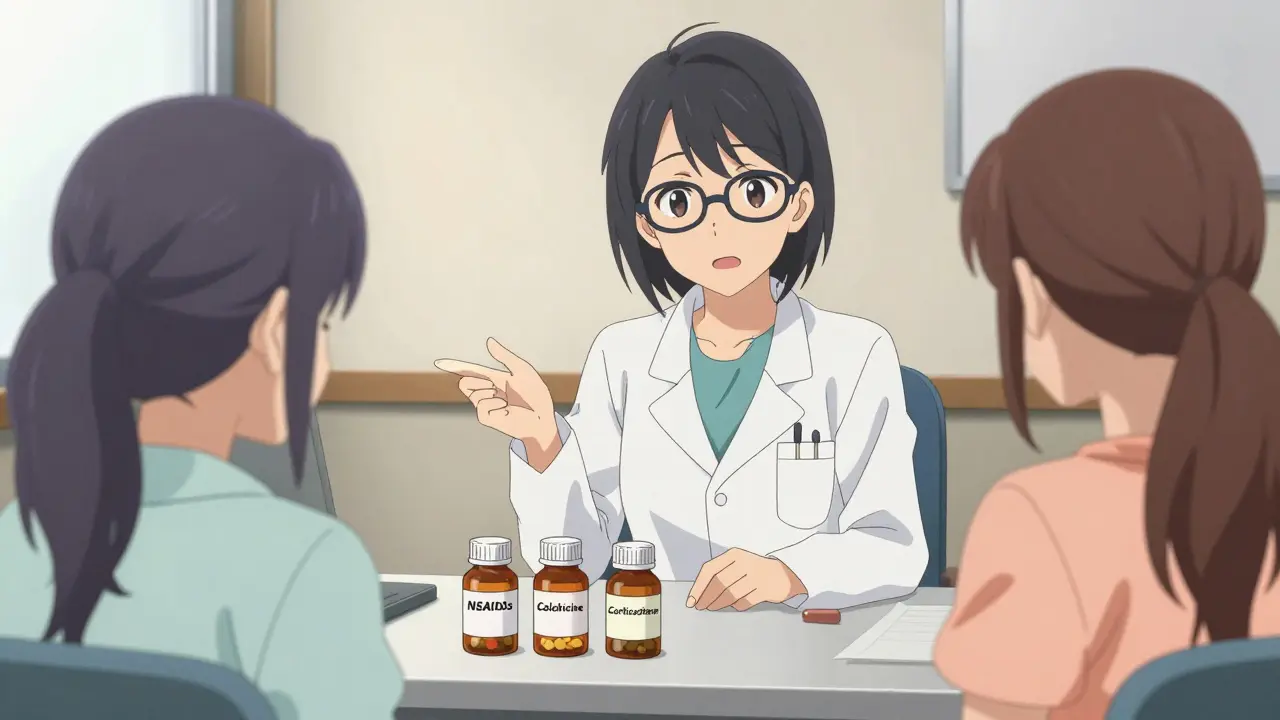
Corticosteroids: The Safe Bet for Complex Cases
Corticosteroids (such as prednisone) are powerful anti-inflammatories that suppress the immune system’s response to the crystals. While often feared due to long-term side effects, short-term use for acute gout is generally safe and highly effective. In fact, some experts argue that corticosteroids should be the first choice for many patients, especially those who cannot tolerate NSAIDs or colchicine.
A typical oral regimen involves starting with a higher dose (e.g., 40-60 mg of prednisone daily) and then tapering down over 7-14 days. For example:
- Days 1-2: 30-40 mg
- Days 3-4: 20-30 mg
- Days 5-6: 10 mg
Why choose steroids?
- Safety profile: Short courses have a much lower risk of toxicity compared to high-dose NSAIDs or colchicine.
- Flexibility: They can be given orally, via injection into the joint (intra-articular), or intramuscularly. Intra-articular injections are ideal for monoarticular gout (affecting only one joint) as they deliver the drug directly to the source with minimal systemic side effects.
- Comorbidity-friendly: They are often the best option for patients with kidney disease or stomach issues.
Caution: Patients with diabetes need to monitor their blood sugar closely during steroid treatment, as corticosteroids can cause temporary hyperglycemia. Additionally, stopping steroids abruptly can lead to rebound flares, which is why a proper tapering schedule is crucial.
Comparison Table: Choosing Your Treatment
| Feature | NSAIDs | Colchicine | Corticosteroids |
|---|---|---|---|
| Best For | Healthy adults with no GI/kidney issues | Early-stage flares (<24 hrs) | Elderly, kidney disease, or multi-joint flares |
| Onset of Action | Rapid (hours) | Moderate (hours) | Rapid (hours) |
| Major Risks | GI bleeding, kidney strain, heart risks | Diarrhea, nausea, muscle toxicity | Blood sugar spikes, insomnia, mood changes |
| Dosing Complexity | High doses required | Precise timing needed | Tapering schedule required |
| Cost | Low (generics available) | Low | Low |

Combination Therapy: When One Drug Isn't Enough
Not all gout flares respond to a single medication. In severe cases, or when a patient has multiple affected joints, doctors may prescribe combination therapy. For instance, combining low-dose colchicine with an NSAID or corticosteroid can provide faster and more complete relief. However, this increases the risk of side effects and should only be done under strict medical supervision.
It is also important to note that starting or adjusting urate-lowering therapy (like allopurinol) during a flare can sometimes trigger more flares. If you are already on these medications, do not stop them. Instead, your doctor may prescribe prophylactic doses of colchicine or NSAIDs alongside your regular treatment to prevent rebound attacks.
Practical Tips for Managing a Flare
Medication is only part of the equation. Here are practical steps to support your recovery:
- Rest and Elevate: Keep weight off the affected joint. If your big toe is inflamed, try sleeping with a pillow under your foot to keep it above heart level.
- Ice, Not Heat: Apply ice packs wrapped in a towel for 20-30 minutes several times a day. Heat can increase inflammation in the acute phase.
- Hydrate: Drink plenty of water to help flush uric acid from your system. Avoid alcohol and sugary drinks, which can worsen gout.
- Keep a Diary: Track when flares occur, what you ate, and what medications helped. This data is invaluable for your doctor to tailor future treatments.
How quickly should I start treatment for a gout flare?
You should start treatment within 24 hours of the first sign of pain. The earlier you intervene, the shorter and less severe the flare will be. Waiting longer allows inflammation to become entrenched, making it harder to manage.
Can I take ibuprofen for a gout flare?
Yes, but standard over-the-counter doses are often insufficient. Doctors typically recommend higher prescription-strength doses, such as 800 mg three times daily. However, if you have stomach or kidney issues, NSAIDs like ibuprofen may be unsafe for you.
Is colchicine safe for everyone?
No. Colchicine has a narrow therapeutic window, meaning the difference between a helpful dose and a toxic one is small. It requires dose adjustments for people with kidney or liver disease and interacts with many common medications. Always consult your doctor before taking it.
Why are steroids considered a good option for gout?
Short-term corticosteroids are highly effective and have a favorable safety profile for many patients, especially those who cannot take NSAIDs or colchicine. They reduce inflammation rapidly without the gastrointestinal risks associated with NSAIDs. Oral prednisone is commonly used, but injections into the joint are also an option for single-joint flares.
Should I stop my urate-lowering medication during a flare?
No. Current guidelines recommend continuing urate-lowering therapy (like allopurinol) during a flare. Stopping it can cause fluctuations in uric acid levels, potentially worsening the flare. Your doctor may add prophylactic medication to help manage the symptoms.