
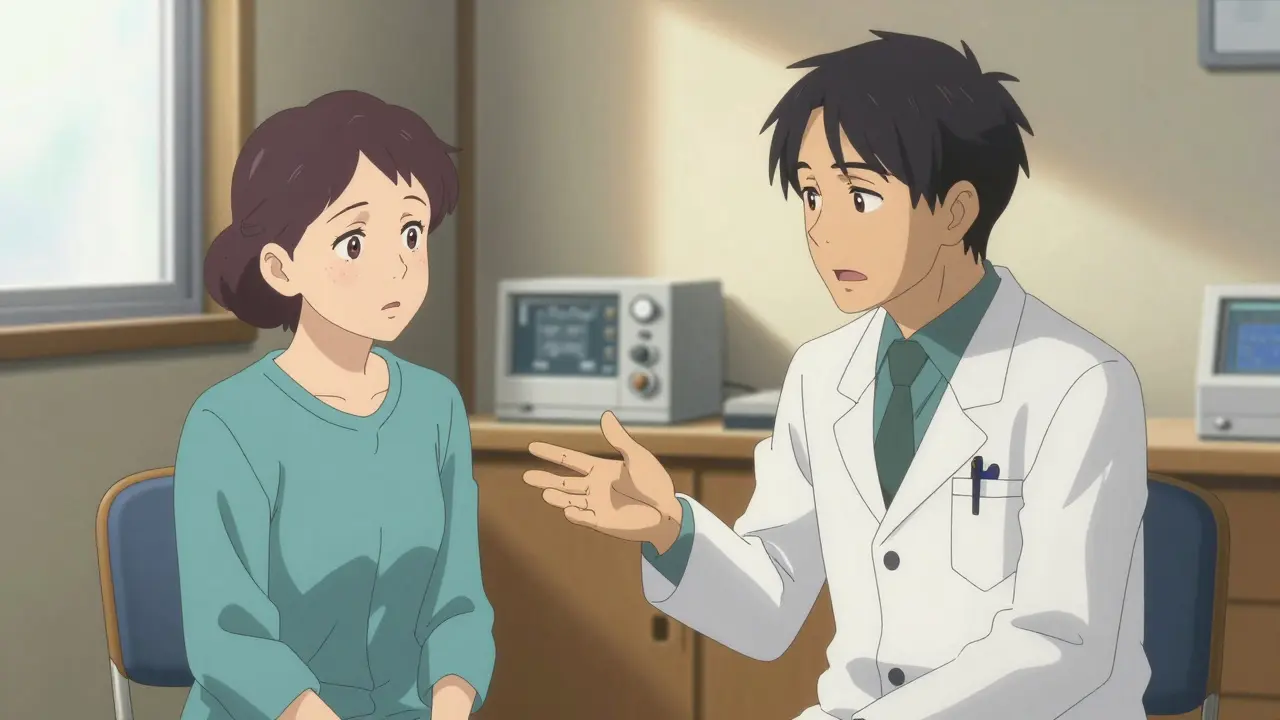
If you've been handed a prescription for an antibiotic, you probably assume you're doing the right thing by treating an infection. However, some medications carry risks that go far beyond the usual upset stomach or rash. There is a specific class of antibiotics known as Fluoroquinolones that carries a reputation for causing rare but severe injuries. We aren't talking about mild discomfort; we are talking about permanent tendon rupture and nerve damage.
This isn't just theoretical fear. Regulatory bodies across the globe, including the UK's MHRA and the US FDA, have strengthened warnings significantly over the last decade. If you are facing a decision about taking one of these drugs, understanding the specifics of these risks is essential before signing the dotted line.
What Exactly Are Fluoroquinolones?
These medicines are broad-spectrum antimicrobial agents developed starting in the 1960s. While newer versions exist, they all share a similar chemical structure that allows them to kill bacteria effectively by interfering with DNA replication. You might recognize names like Ciprofloxacin and Cipro, which were approved by the FDA in 1987. Others include Levofloxacin (approved in 1996) and Moxifloxacin (approved in 1999).
For years, doctors praised these drugs for their ability to penetrate tissues deeply and work against a wide variety of bacteria. Because they were convenient and potent, prescribing rates soared. In 2015 alone, the global market for these antibiotics was worth over $5 billion. However, as the volume of use increased, so did the reports of unexpected adverse events that weren't visible in initial clinical trials.
The Double Threat: Tendons and Nerves
The primary concerns revolve around two distinct systems in the body: the musculoskeletal system and the nervous system. When we look at the data regarding tendons, the numbers tell a concerning story. Research indicates that Tendinopathy occurs in roughly 0.14% to 0.4% of users. That sounds small until you realize how widely these drugs were prescribed.
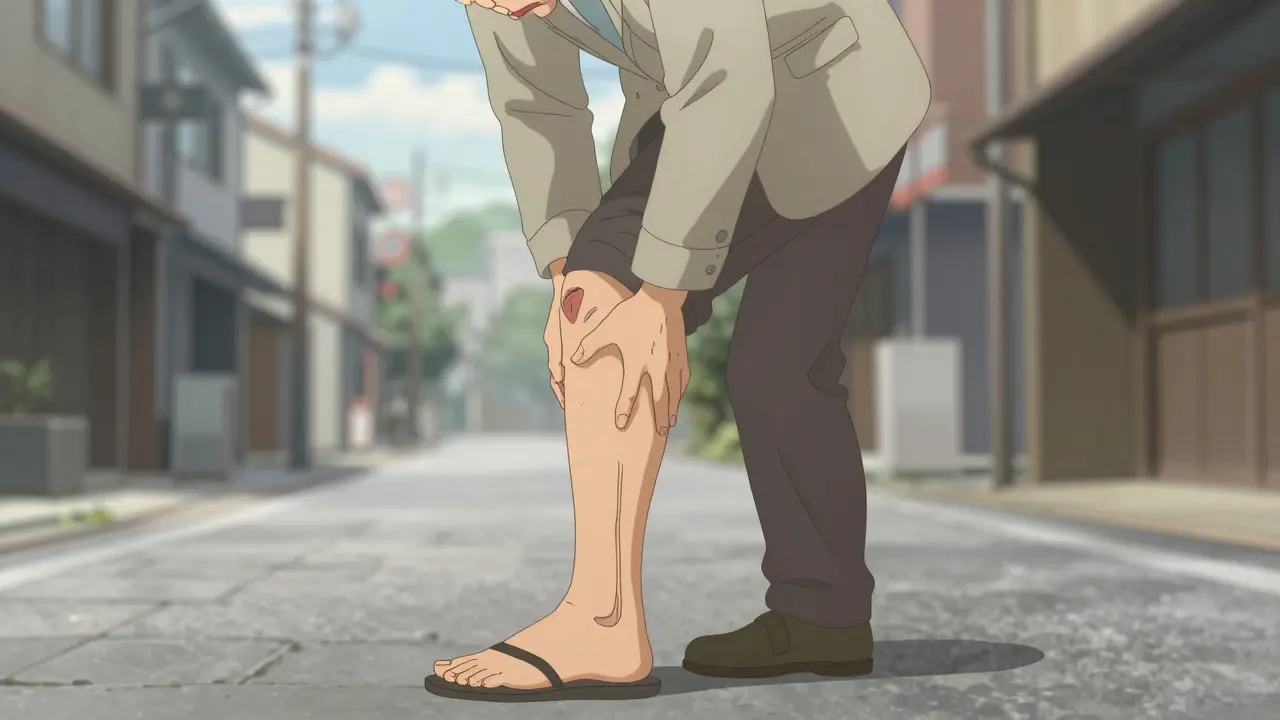
The Achilles tendon is the most vulnerable site. In documented cases, nearly 90% of tendon issues happen here. Patients often report sudden pain during routine movements, sometimes leading to a complete rupture. Studies show that when these injuries occur, approximately half of them affect both legs simultaneously. This bilateral involvement suggests the drug alters the collagen structure throughout the body, not just at a single point of stress.
Nerve damage presents differently but is equally serious. Peripheral Neuropathy manifests as tingling, numbness, or burning sensations in the arms or legs. While less common than tendon issues, occurring in about 4.3% of patients in some studies, it is often disabling. Many patients report that these nerve symptoms do not go away quickly after stopping the medication, leading to chronic pain conditions.
| Symptom Type | Frequency in General Population | With Fluoroquinolone Use |
|---|---|---|
| Achilles Tendon Rupture | Baseline | 4.1 times higher risk |
| Tendon Pain/Swelling | Rare | 0.14% - 0.4% |
| Peripheral Nerve Damage | Varies | 4.3% reported incidence |
Who Is Most Vulnerable?
You might wonder if these risks apply to everyone equally. The answer is no. Certain lifestyle factors and pre-existing health conditions create a perfect storm for these side effects. Age is a significant variable. People over 60 face a 1.5-fold increased risk of tendon disorders and a 2.7-fold risk of rupture compared to younger adults.
One of the most dangerous combinations is taking fluoroquinolones alongside steroid medication. If you are managing inflammation with Corticosteroids, such as prednisone, your risk of tendon rupture skyrockets to 46 times the baseline. This interaction is critical because many patients take steroids for respiratory issues concurrently with antibiotics for infections.
Other high-risk groups include:
- Patients with renal failure or kidney disease (odds ratio 1.7).
- People with diabetes mellitus.
- Individuals who have had tendon ruptures in the past.
- Organ transplant recipients who require immunosuppressants.
Timing Matters: When Do Symptoms Appear?
A critical detail that many patients miss is that these problems don't always happen immediately. While 85% of symptoms appear within the first month of treatment, cases have been documented up to 152 days after the drug entered the system. Even more alarming, 50% of tendon-related events happen after you have stopped taking the medicine.
This delayed onset creates a diagnostic challenge. If you injure your ankle three weeks after finishing a course of Ciprofloxacin, a doctor unfamiliar with this specific link might diagnose you with a simple sports injury. However, the mechanism of injury matters. Sudden onset pain while walking normally-often described as feeling like a gunshot sound followed by collapse-is highly characteristic of fluoroquinolone-induced rupture.
Regulatory Action and Prescribing Guidelines
Because of these risks, regulatory agencies have tightened the rules significantly. In the United Kingdom, the Medicines and Healthcare products Regulatory Agency (MHRA) updated guidelines in April 2019. They now mandate that these antibiotics should only be used when other treatments are not suitable. This restriction applies especially to minor conditions like uncomplicated urinary tract infections, sinusitis, and bronchitis.
The US Food and Drug Administration (FDA) went even further. In 2008, they issued a black-box warning, and in 2016, they strengthened it following a comprehensive safety review. The message is clear: "Do not use for minor infections if alternatives exist." This change has led to a measurable drop in prescriptions. Between 2015 and 2022, prescriptions for uncomplicated urinary tract infections in primary care dropped from 17.3% to just 5.1%.

Are There Safer Alternatives?
If your doctor suggests a fluoroquinolone for a non-life-threatening infection, it is worth asking about other classes of antibiotics. Penicillins, cephalosporins, and macrolides are generally considered safer regarding tendon and nerve risks. These alternatives may have different efficacy profiles depending on the bacteria, but they lack the specific collateral damage seen with quinolones.
In 2023, the FDA launched a Sentinel Initiative module to monitor real-world safety data across 150 million insured Americans. Early findings continue to support the restrictive approach, noting that the benefits rarely outweigh the risks for mild infections. Currently, appropriate use is largely confined to complicated hospital-acquired pneumonia, severe urinary tract infections requiring urgent action, and anthrax exposure protocols.
Newer research is exploring ways to mitigate harm. For instance, a Phase II clinical trial investigating the use of doxycycline to prevent collagen degradation in high-risk patients showed promise, though results remain pending. Until such strategies are proven and widespread, the safest approach remains avoidance unless absolutely necessary.
Frequently Asked Questions
Can tendon damage heal completely?
Recovery varies significantly. About 90% of patients are managed without surgery, but recovery time can take months. Some patients experience long-term sequelae like difficulty walking or chronic pain, with up to 10% reporting irreversible disability affecting their range of motion.
How long should I wait to exercise after taking these drugs?
Because symptoms can appear up to several months after stopping, experts suggest monitoring yourself closely. Avoid intense impact activities during the first few months post-treatment if possible, and stop immediately if you feel unusual tendon stiffness or pain.
Is it safe to take fluoroquinolones if I am on steroid injections?
It is extremely risky. Taking these antibiotics while receiving corticosteroid therapy increases the risk of tendon rupture by 46-fold. Doctors usually contraindicate this combination unless there is no other viable option for life-threatening infection.
What are the signs of nerve damage?
Look out for paraesthesia, which includes pins and needles, numbness, or a burning sensation in the extremities. Unlike muscle weakness, these are sensory changes. If noticed, report them to your GP immediately, as early discontinuation can limit severity.
Why are restrictions different in the UK compared to the US?
While both regions restrict use, terminology differs slightly. The UK MHRA explicitly states they are 'contraindicated' for mild infections, while the US FDA emphasizes reserving them for 'no alternative options.' Practically, the outcome for the patient is the same: prioritize safety over convenience.
Your health journey involves making informed choices. When faced with an antibiotic prescription, asking questions about potential risks is not being difficult-it is being proactive. If you notice anything unusual while on these medications, contact your healthcare provider immediately. Recognizing symptoms early can save your mobility and quality of life.



Comments
Lawrence Rimmer
The system is fundamentally broken and corporate profit matters far more than human safety here.
simran kaur
Regulatory bodies are clearly in bed with the pharmaceutical industry to suppress the true extent of these catastrophic failures observed globally.
Hope Azzaratta-Rubyhawk
Vigilance remains our greatest shield against such chemical agents when prescribed improperly by hurried practitioners.
Jenna Carpenter
Yeah the docotr made a huge mistake on the prescripton padeez. You should alwayz read the small print about side effectz before taking meds. Its danngeruz to trust them blindly.
Brian Shiroma
Oh wonderful another list of horrors from the drug makers we rely on for basic survival every single day.
Branden Prunica
I felt my ankle snap right then during a simple walk and now I limp constantly everywhere I go.
Ace Kalagui
This information is incredibly vital for everyone reading this thread right now. We often forget that the body responds unpredictably to synthetic compounds introduced to the bloodstream. Your health depends on how you approach these medication decisions daily. Many people overlook the small print in the prescription documentation because they trust the white coat. It takes a proactive mindset to safeguard your own physical well-being effectively. Tendon integrity is something we usually take completely for granted until it fails catastrophically. Once collagen structures degrade recovery becomes extremely difficult and painful for patients. We need to advocate for better safety protocols within hospitals and clinics everywhere. Doctors should prioritize patient history before prescribing broad spectrum drugs carelessly. Ignoring these warning signs leads to unnecessary pain later on in life. Prevention is always significantly better than attempting cures after damage has already occurred. Community awareness helps drive changes in pharmaceutical regulations globally over time. Sharing these stories validates the experiences of those who suffered silently for years. Every person deserves to know the full scope of potential injuries beforehand without fear. Let us commit to making safer choices moving forward in our lives.
Aysha Hind
That toxic sludge disguised as healing is pumped straight into our veins without proper testing on long term viability.
sophia alex
Our country handles medicine production the best compared to foreign entities trying to sabotage us. 🇺🇸💊🏥 We trust our domestic standards much more than outsiders.
Dipankar Das
Adherence to established medical guidelines ensures stability for the individual and the collective community.
Mark Zhang
Just follow the protocol carefully and report any numbness immediately to your physician.
Rachelle Z
Wow!!! This is scary stuff!!! 😨 Why isn't everyone screaming about this???!!!
angel sharma
You got this power within yourself to choose what enters your body today. Energy flows through your muscles and nerves when protected properly. Motivation comes from knowing the truth rather than fearing the unknown. Keep fighting for your wellness and stay strong against hidden risks. Your future self will thank you for the caution you show right now. Always remember that you are worthy of safe treatment options always.
Mark Zhang
Keep sharing knowledge and helping others navigate these complex medical decisions safely.