How to Avoid Duplicate Medications After Specialist Visits
Dec 25 2025

When your throat hurts so bad you can barely swallow, and your fever spikes without warning, it might be strep throat, a bacterial infection caused by group A Streptococcus bacteria that spreads through respiratory droplets. Also known as streptococcal pharyngitis, it’s not just a bad cold—it’s something that needs the right treatment, or it can lead to serious complications. Unlike viral sore throats, which fade on their own, strep throat won’t improve without antibiotics. If you’ve had a sudden sore throat with white patches on your tonsils, swollen lymph nodes, and no cough, that’s a classic sign.
It’s not just about feeling miserable. Left untreated, group A streptococcus, the bacteria behind strep throat can trigger rheumatic fever or kidney inflammation. That’s why doctors don’t just guess—they test. A rapid antigen test or throat culture is the only way to be sure. And here’s the catch: many people think antibiotics help all sore throats. They don’t. Taking them for viruses just breeds resistant bacteria and messes with your gut. If you’ve been told you’re allergic to penicillin, that’s worth double-checking—most people who think they are aren’t. The real risk isn’t the infection itself, it’s the wrong treatment.
antibiotics for strep, typically penicillin or amoxicillin work fast, often cutting symptoms in half within 24 hours. But you still need to finish the full course—even if you feel fine. Stopping early lets the toughest bacteria survive and come back stronger. And if you can’t take penicillin? Alternatives like cephalexin or azithromycin are options, but they’re not always better. Some strains are already resistant. That’s why matching the right drug to the right bug matters more than ever.
Strep throat doesn’t just affect kids—it hits adults too, especially those in close quarters like offices, schools, or households. If someone in your home has it, wash hands often, replace toothbrushes after 24 hours of starting antibiotics, and avoid sharing drinks or utensils. It’s that simple. And while home remedies like saltwater gargles or honey can soothe the pain, they won’t kill the bacteria. Only antibiotics do that.
What you’ll find below isn’t just a list of articles. It’s a practical guide to what happens when you take antibiotics, how side effects get confused with allergies, and why some OTC meds help with symptoms but not the infection. You’ll see how drug interactions can change your treatment, how to spot real allergic reactions versus plain side effects, and what to do if your symptoms don’t improve. This isn’t theory. It’s what real people deal with when they walk into a clinic with a sore throat and leave with a prescription—and questions.
Nov
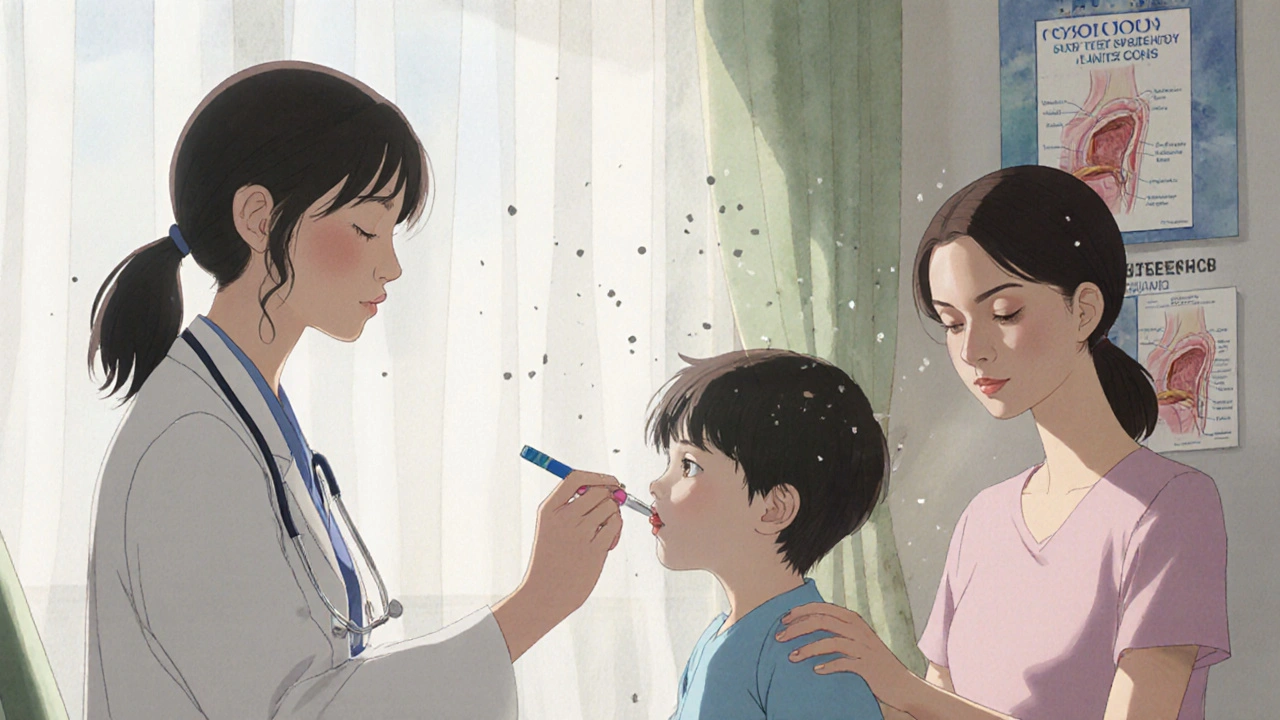
Strep throat requires accurate diagnosis and full antibiotic treatment to prevent serious complications. Learn how it’s diagnosed, which antibiotics work best, and what to expect during recovery.
Dec 25 2025

Apr 28 2025
Jun 12 2025
Feb 15 2026
Feb 17 2026