Where and How to Buy Proscar Online Safely in 2025
Jul 16 2025

When you have strep throat, a bacterial infection caused by group A Streptococcus that leads to severe sore throat, fever, and swollen tonsils. Also known as streptococcal pharyngitis, it’s not just a bad cold—it needs antibiotics to clear properly and prevent complications. Most people start feeling better within 24 to 48 hours after starting antibiotics, but the full strep recovery timeline, the full process from infection to complete healing, including symptom resolution and return to normal activity usually takes 7 to 10 days. Skipping antibiotics might make you feel okay sooner, but it increases your risk of spreading the infection and can lead to serious issues like rheumatic fever or kidney inflammation.
Antibiotics like penicillin or amoxicillin don’t just kill the bacteria—they stop you from being contagious. After 24 hours on the right drug, you’re no longer spreading strep to others, which is why kids can go back to school and adults can return to work. But feeling better doesn’t mean the job’s done. If you stop the pills early because your throat doesn’t hurt anymore, the bacteria can bounce back stronger. The antibiotic treatment, a prescribed course of antibacterial medication designed to fully eliminate the strep infection must be finished, even if you’re 90% better. Your body still needs time to repair the inflamed tissue in your throat, and that takes days. Fatigue, mild soreness, and swollen lymph nodes can linger for up to two weeks, even after the infection is gone.
Some people recover faster. Others take longer. Why? It depends on your age, how sick you were at the start, whether you got treatment right away, and if you’re resting and hydrating. Kids often bounce back quicker than adults, but they’re also more likely to miss school if symptoms drag on. If your fever doesn’t drop after 48 hours on antibiotics, or if you develop a rash, trouble swallowing, or joint pain, that’s not normal. You might have a different infection, an allergic reaction, or a complication. Don’t wait. Call your doctor. The recovery time, the period it takes for symptoms to fully resolve and energy levels to return to baseline after a strep infection isn’t just about the bacteria—it’s about your whole system getting back on track.
What you’ll find in the posts below are real, practical guides that connect directly to your strep experience. You’ll learn how to tell if it’s really strep or just a virus, why some people get reinfected, what to eat when swallowing hurts, how to avoid spreading it to your family, and what to do if antibiotics don’t seem to be working. No fluff. Just clear answers based on medical evidence and patient experiences.
Nov
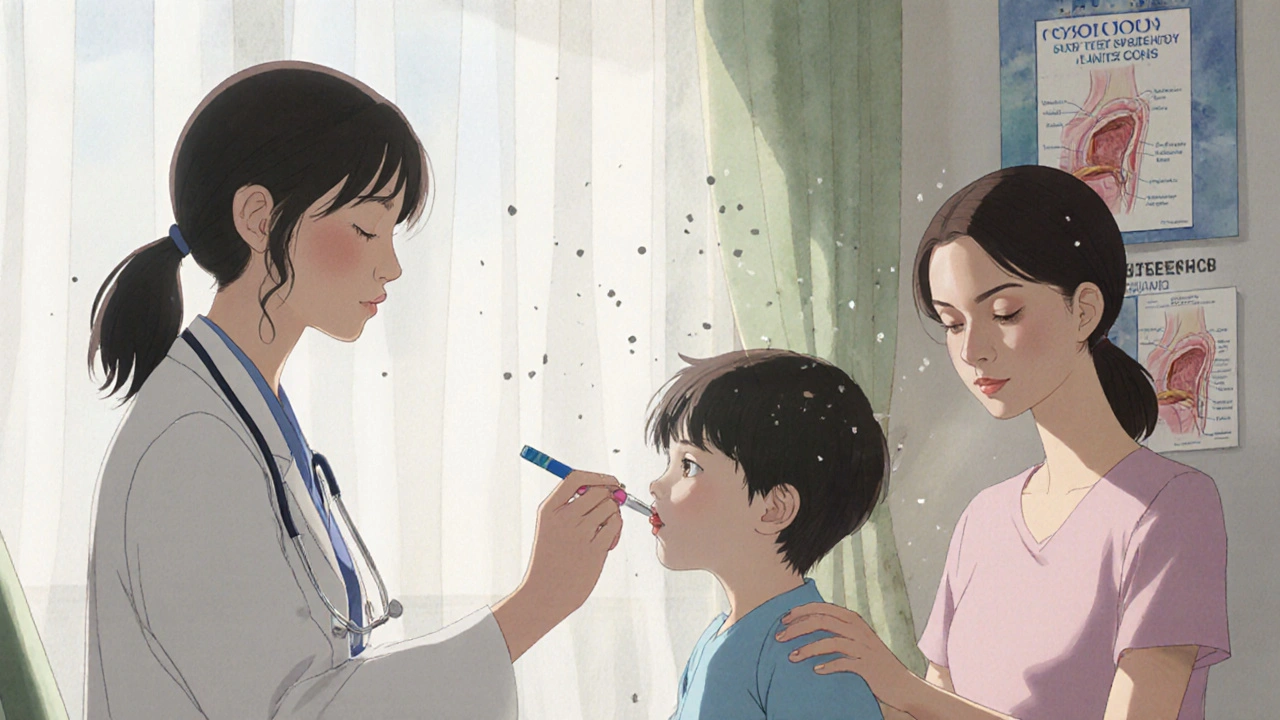
Strep throat requires accurate diagnosis and full antibiotic treatment to prevent serious complications. Learn how it’s diagnosed, which antibiotics work best, and what to expect during recovery.
Jul 16 2025

Oct 1 2025

Nov 26 2025

Oct 3 2025

Nov 18 2025