How Exercise Can Treat and Prevent Oedema
Sep 27 2025

When you take medication review, a deliberate process of evaluating all the drugs you’re taking to ensure they’re still necessary, safe, and working as intended. Also known as drug reconciliation, it’s not just for older adults or people on dozens of pills—it’s for anyone who takes more than one medication, even if it’s just aspirin and a vitamin. Most people don’t realize how often medications clash, how side effects get ignored, or how easily a simple change in dose can throw everything off.
Think about drug interactions, when one medication changes how another works in your body—sometimes dangerously. A common example? Taking a statin with grapefruit juice, or mixing NSAIDs with blood thinners. These aren’t rare mistakes—they happen daily. Then there’s medication side effects, the unwanted reactions that aren’t allergies but still make you feel awful. Fatigue, dizziness, nausea—many assume it’s just aging or stress. But it could be your pills. And when you’re on multiple drugs, like in polypharmacy, the use of five or more medications at once, common in older adults and chronic illness. the risk multiplies. A single new prescription can undo months of progress.
That’s why a real medication review isn’t just checking your list—it’s asking: Is this still helping? Is there a safer option? Are you even taking it as directed? medication adherence, how consistently you take your drugs as prescribed. is a silent crisis. Skipping doses, stopping early, or switching brands without telling your doctor leads to hospitalizations, wasted money, and worse outcomes. You don’t need to be an expert to spot red flags. If you’re feeling off, if your doctor never asks about your pills, or if you’re confused about why you’re taking something—those are signs to pause and review.
The posts here aren’t theory. They’re real stories from people who’ve been there: the woman who thought she was allergic to aspirin but had AERD, the man whose muscle pain vanished when he stopped a statin interaction, the senior who cut five pills down to two and finally slept through the night. You’ll find how to talk to your doctor without sounding demanding, how to spot fake generics, why vitamin D might help with statin side effects, and what to do when your insurance drops a drug you rely on. This isn’t about memorizing drug names. It’s about understanding your own body’s response, asking the right questions, and taking back control—one pill at a time.
Dec
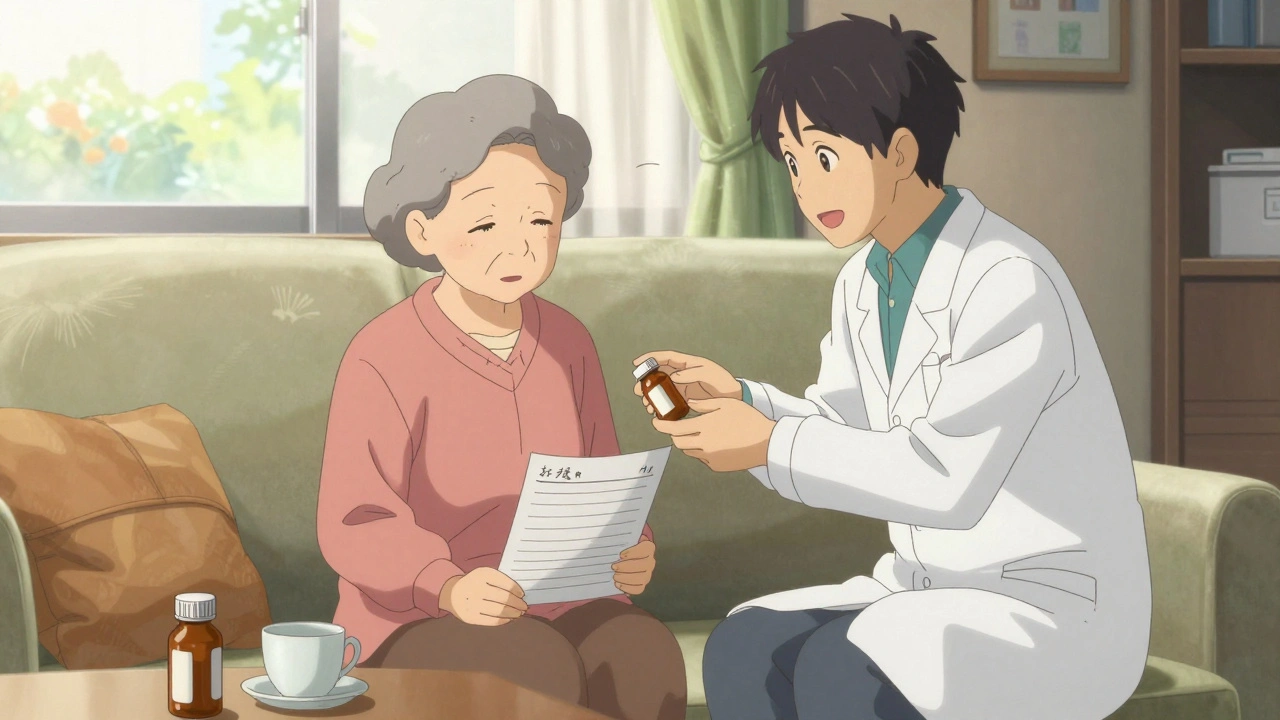
Learn exactly what to bring, what to ask, and how to prepare for a medication review appointment to avoid dangerous drug interactions and ensure your treatment is still right for you.

Sep 27 2025

May 8 2025
Oct 5 2025

Dec 30 2025

Oct 19 2025