Buy Cheap Generic Bactrim Online in the UK - Safe Pharmacy Guide 2025
Oct 14 2025

When you hear brand drugs, original medications developed and marketed by pharmaceutical companies under a patent-protected name. Also known as name-brand medications, they’re the first versions of a drug to hit the market after years of research and testing. These aren’t just fancy labels—they’re the foundation of modern medicine. Think of them as the prototype version of a drug: the first time a compound was proven safe and effective enough to be sold by prescription. Companies invest millions to bring them to market, and that cost shows up in the price tag.
But here’s the thing: once the patent runs out, other companies can make the exact same drug under a different name. Those are generic drugs, medications that contain the same active ingredient, dose, and intended use as the original brand drug. Also known as non-brand medications, they’re chemically identical but cost far less. You’d think that means brand drugs are always better—but they’re not. The FDA requires generics to work the same way, in the same amount of time, with the same side effects. So why do people still pay more for the brand? Sometimes it’s habit. Sometimes it’s marketing. And sometimes, it’s because the brand version has a special formulation—like a slow-release coating or a different inactive ingredient—that makes a real difference for certain patients.
Take Aurogra, a brand version of sildenafil used to treat erectile dysfunction. Also known as generic Viagra, it’s chemically the same as the original—but priced lower. But then there’s Avalide, a combination drug with irbesartan and hydrochlorothiazide for high blood pressure. Also known as brand-name ARB diuretic, it’s harder to replicate exactly because of how the two ingredients interact. In cases like this, sticking with the brand might matter more. The same goes for drugs like Loxapine, an antipsychotic used in bipolar disorder. Also known as brand antipsychotic, its effectiveness can vary slightly between manufacturers due to how the body absorbs the active ingredient. These aren’t just random examples—they’re the kinds of cases you’ll see covered in the posts below.
What you’ll find here isn’t a list of every brand drug ever made. It’s a practical guide to the ones that actually make a difference. Whether you’re comparing brand drugs like Aurogra to their generic cousins, trying to understand why Amiloride’s new uses matter, or figuring out if switching from Lopressor to another beta-blocker is safe, the posts below cut through the noise. No fluff. No corporate hype. Just real comparisons, real side effects, and real advice from people who’ve been there.
Nov

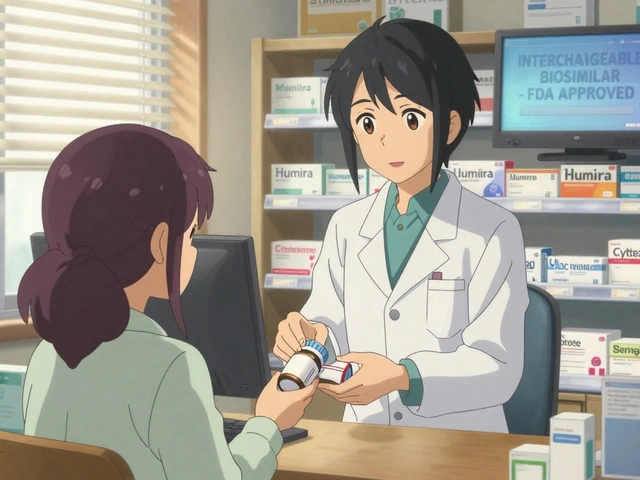
Learn how pharmacy systems correctly identify generic and brand drugs using NDC and TE codes, avoid substitution errors, and improve patient safety with best practices backed by FDA guidelines and real-world pharmacy data.
Oct 14 2025

Jan 9 2026

May 27 2025
Dec 8 2025
Oct 6 2025