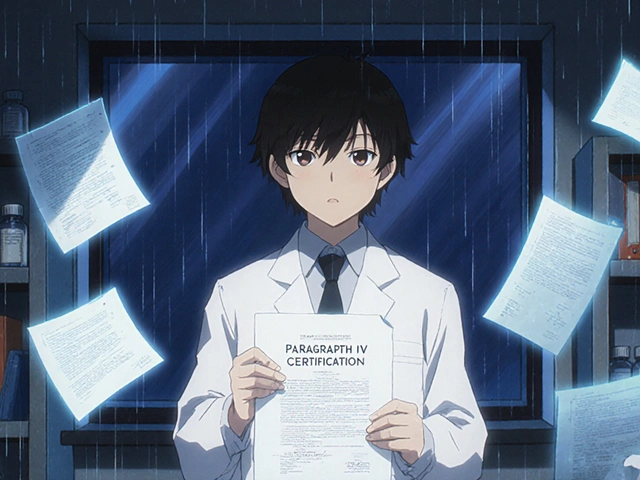
Paragraph IV Certifications: How Generic Drug Companies Challenge Patents Before Market Entry
Nov 20 2025

When your body overreacts to something harmless—like peanuts, penicillin, or bee venom—it’s having an allergic reaction, an immune system response to a substance it wrongly sees as dangerous. Also known as hypersensitivity reaction, this isn’t just a sneeze or a rash—it can turn deadly in minutes. You might think only kids get serious allergies, but adults develop them too. A person who’s taken ibuprofen for years can suddenly react to it. Or someone on chemotherapy might get a reaction during their third infusion, not the first. That’s why knowing the difference between a mild itch and a full-blown emergency matters.
An anaphylaxis, a severe, life-threatening allergic reaction that affects multiple body systems doesn’t wait for permission. It can start with a tingling tongue, then crash into swelling, trouble breathing, or a sudden drop in blood pressure. This isn’t rare—it happens in hospitals every day, especially with drugs like antibiotics or chemo. That’s why chemotherapy hypersensitivity, an immune response triggered by cancer drugs during infusion is tracked so closely. Nurses watch for flushing, fever, or wheezing—not because it’s common, but because it can be fatal if missed. Even over-the-counter antihistamines, medications that block histamine to reduce allergy symptoms can mask early warning signs if taken too early. And don’t forget: some reactions aren’t to the drug itself, but to its fillers or dyes. A pill that’s fine for one person might trigger a reaction in another because of a dye they’ve never tried before.
Drug interactions can make things worse. Rifampin changes how your liver processes other meds, making some allergies more likely. Lopinavir/ritonavir boosts drug levels so high that even safe doses can become triggers. Even something as simple as creatine can confuse kidney tests, leading to misdiagnoses that delay real allergy treatment. And if you’re on immunosuppressants, your body might not react the way you expect—making it harder to tell if a rash is an allergy or just a side effect.
What you’ll find here isn’t just theory. These are real cases: someone who thought their rash was heat, but it was penicillin. A patient who survived anaphylaxis because their caregiver knew the signs. A person who avoided a dangerous interaction by checking their meds with their pharmacist. You’ll see how common allergies are, how they hide in plain sight, and what to do when things go wrong—before it’s too late.
Nov

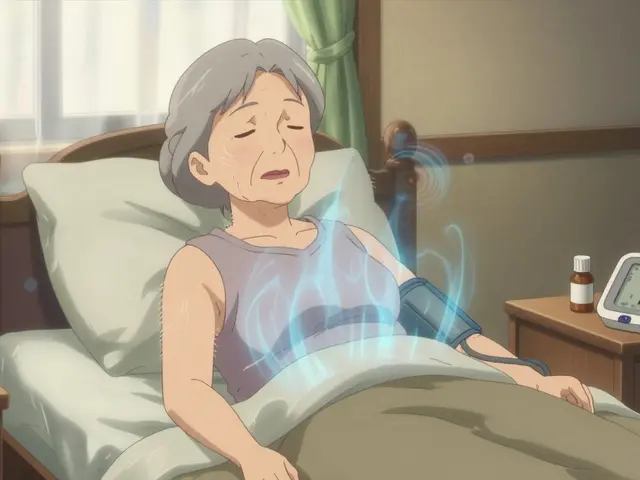
Learn how to tell the difference between side effects, allergic reactions, and drug intolerance - and why mixing them up can lead to dangerous medical decisions. Most people who think they’re allergic aren’t.
Nov 20 2025

Mar 26 2025

Nov 17 2025

Feb 18 2026
Dec 16 2025