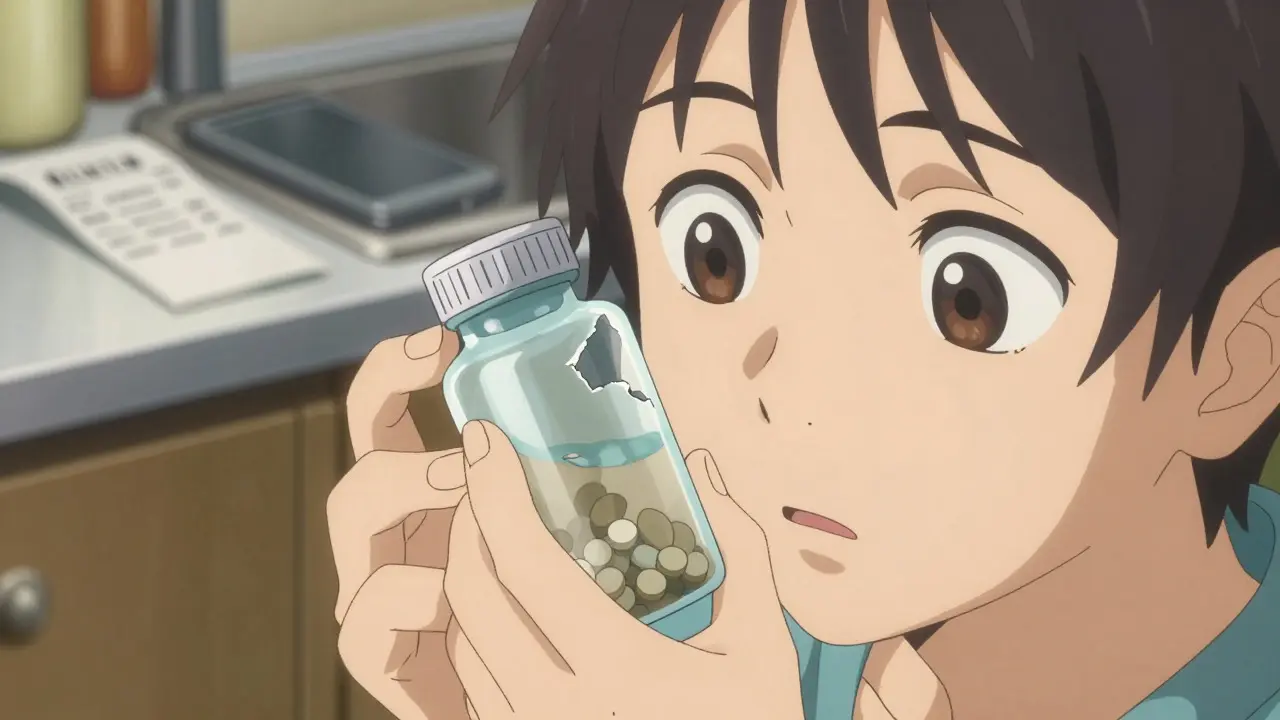
Imagine opening a bottle of your daily medication and noticing the cap seal is broken, the pill color looks slightly off, or the packaging feels cheap. It’s a scary moment. You wonder if you’ve been duped. According to the World Health Organization, roughly one in ten medical products in low- and middle-income countries is substandard or falsified. Even in developed nations like the US and UK, the threat persists, with the global counterfeit pharmaceutical market valued at $205 billion in 2022. If you suspect your medicine isn't real, knowing exactly where and how to report it can save lives. This guide walks you through the specific steps to report counterfeit medications, ensuring your voice reaches the right authorities quickly.
Why Reporting Matters More Than You Think
Counterfeit drugs aren't just a financial loss; they are a health hazard. These products might contain no active ingredient, too much, or toxic fillers like chalk or lead. The danger lies in the delay. When a patient takes a fake antibiotic, the infection can spread. When someone takes a fake insulin shot, their blood sugar can spike dangerously. Regulatory bodies rely on public reports to catch these issues early. The FDA estimates that timely reporting has helped remove over 2,300 counterfeit drug products from U.S. markets between 2015 and 2022. Your single report could be the trigger that stops a bad batch from reaching thousands more people.
Identifying the Red Flags
Before you pick up the phone, take a moment to verify what you have. While not every anomaly means fraud, certain signs are strong indicators. Look for:
- Packaging Issues: Blurry printing, misspelled words, or boxes that feel flimsy compared to previous purchases.
- Tamper-Evident Features: Broken seals, missing shrink wrap, or caps that don’t click shut properly.
- Pill Appearance: Different colors, shapes, sizes, or markings than what you’re used to.
- Sourcing Problems: Buying from an online pharmacy without a license, or receiving meds via mail without proper tracking.
If you see these signs, do not stop taking your medication abruptly unless advised by a doctor, but do keep the product safe for inspection.
Step-by-Step: How to File a Report
The process varies slightly depending on where you live and who you are (consumer vs. pharmacist), but the core steps remain consistent. Here is how to navigate the system effectively.
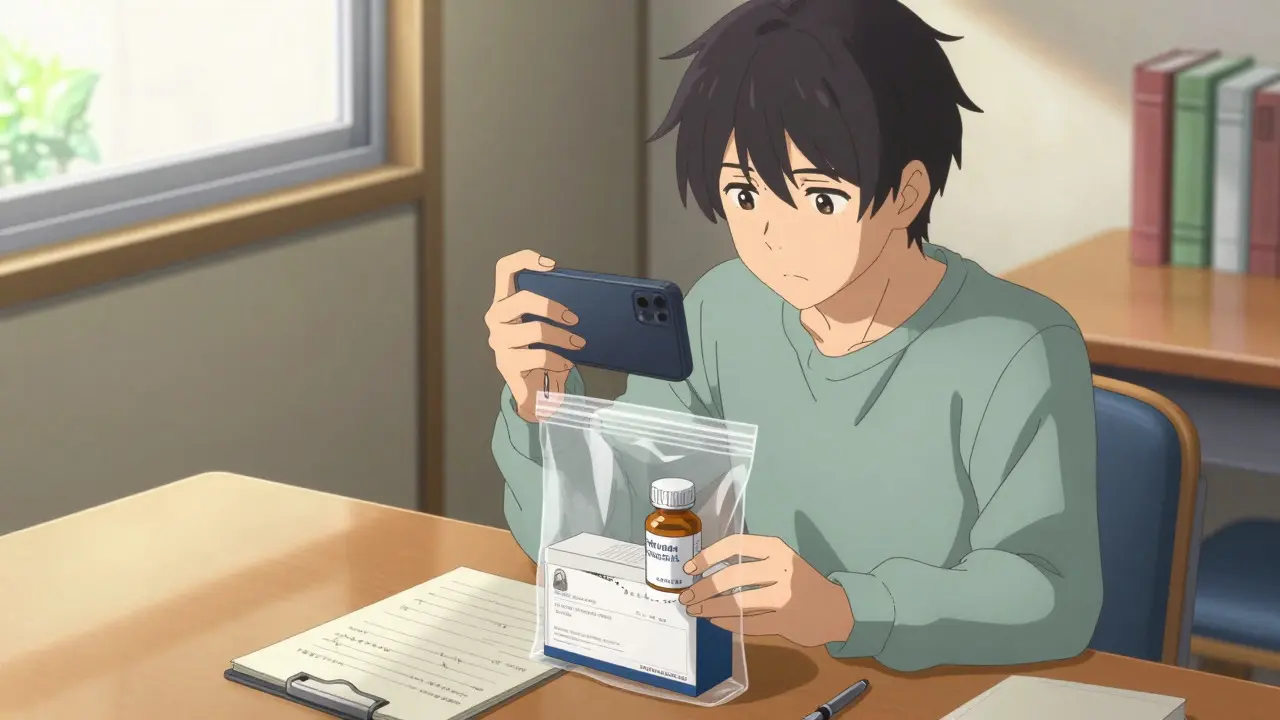
- Preserve the Evidence: Do not throw away the bottle, box, or receipt. Place them in a clear bag. Avoid handling the pills excessively. Take high-resolution photos of the label, the pill itself, and any suspicious packaging details. Serial numbers and batch codes are gold for investigators.
- Contact Your Pharmacist or Doctor: They can confirm if the change is expected (e.g., a manufacturer switch) or suspicious. Pharmacists often have direct lines to manufacturers.
- Report to the Regulatory Authority:
- In the United States: Use the FDA’s MedWatch program. You can file online using Form 3500 or call 1-800-FDA-1088. For supply chain professionals, the DSCSA requires notification within 24 hours via the 3911 platform.
- In the UK/Europe: Contact the MHRA (Medicines and Healthcare products Regulatory Agency) or use the Yellow Card scheme for adverse reactions, which also flags quality issues.
- Internationally: Check your local health ministry’s website. The WHO maintains a global surveillance system, but local agencies act faster.
- Include Key Details: Be specific. List the product name, strength, batch number, expiration date, where you bought it, and a description of the problem. Dr. Paul Newton from Oxford University notes that reports with serial numbers and high-res images increase investigation success rates by 68%.
Who Else Can You Report To?
Regulatory agencies are the primary route, but other channels exist. If you suspect illegal diversion or forgery, law enforcement plays a role. In the US, the DEA operates the RxAbuse Tip Line, allowing anonymous reports of suspicious pharmaceutical activities. For controlled substances, pharmacists must report thefts to Health Canada’s Office of Controlled Substances within 10 days in Canada. Additionally, manufacturers like Novo Nordisk and Eli Lilly have direct anti-counterfeiting programs. If you buy from online marketplaces like Amazon, use their 'report counterfeits' tool; these platforms track trends and can flag sellers quickly.
What Happens After You Report?
You might worry about silence. The FDA’s 2022 survey showed that while healthcare professionals were 82% satisfied with MedWatch, consumer satisfaction was lower at 56%, mostly due to lack of follow-up communication. However, action is happening behind the scenes. Reports submitted within 24 hours of discovery lead to product removal 4.2 times faster than those submitted after 72 hours. Once a report is logged, investigators may pull samples, audit the supplier, or issue a recall. Keep your confirmation email or reference number safe. If you hear nothing for two weeks, a polite follow-up call can nudge the process along.

Common Mistakes to Avoid
Even well-intentioned reporters can slow down investigations. Avoid these pitfalls:
- Vague Descriptions: Saying "it looked weird" is less helpful than "the text on the label was faded and the cap seal was torn."
- Destruction of Evidence: Don’t clean the bottle or discard the original packaging until you’ve reported it.
- Waiting Too Long: Speed matters. The longer the product stays in circulation, the more risk there is.
- Ignoring Online Sources: If you bought meds online, note the URL and seller name. 96% of online pharmacies reviewed by the National Association of Boards of Pharmacy in 2022 were non-compliant with standards.
Comparison of Reporting Channels
Choosing the right channel depends on your situation. Here is a quick breakdown of major systems:
| System | Best For | Response Time | Key Feature |
|---|---|---|---|
| FDA MedWatch (US) | Consumers & HCPs | Varies (avg 14 days initial ack) | Comprehensive database, links to recalls |
| DEA RxAbuse Tip Line (US) | Law enforcement cases | Case-dependent | Anonymous, focuses on criminal activity |
| MHRA Yellow Card (UK) | Adverse events & quality | Varies | Simple form, broad scope |
| Manufacturer Direct | Brand-specific issues | Fastest for brand checks | Direct access to QA teams |
Future Trends in Drug Safety Monitoring
Technology is making reporting easier. The FDA is testing a smartphone app prototype that lets users photograph suspect products and automatically extract data fields, reducing reporting time from 14.2 minutes to just 3.7 minutes. Meanwhile, the WHO is piloting AI-powered image recognition to spot fakes in developing regions. These tools mean that in the near future, reporting will be as simple as snapping a photo. Until then, manual vigilance remains your best defense.
Do I need to send the actual medication to the FDA?
Usually, no. High-resolution photos and detailed descriptions are often enough to start an investigation. However, if asked, you should preserve the physical product in its original packaging until further notice.
What if I bought the medication from an online pharmacy?
Note the website URL, seller name, and order number. Report to both the regulatory authority (like FDA MedWatch) and the online marketplace's customer service team. Online sources are a common vector for counterfeits, so this dual approach helps trace the supply chain.
Is reporting anonymous?
Yes, most systems allow anonymous reporting. For example, the DEA RxAbuse Tip Line explicitly supports anonymous tips. Providing contact info can help investigators reach out for more details, but it is not mandatory.
How long does it take for a recall to happen?
It varies. Simple cases might resolve in weeks, while complex supply chain issues can take months. However, reports filed within 24 hours significantly speed up the process, leading to product removal 4.2 times faster than delayed reports.
Should I stop taking my medication while waiting for a response?
Consult your doctor first. Stopping certain medications abruptly can be dangerous. Your doctor can advise whether to continue, switch to a generic, or wait for test results. Do not make this decision alone.