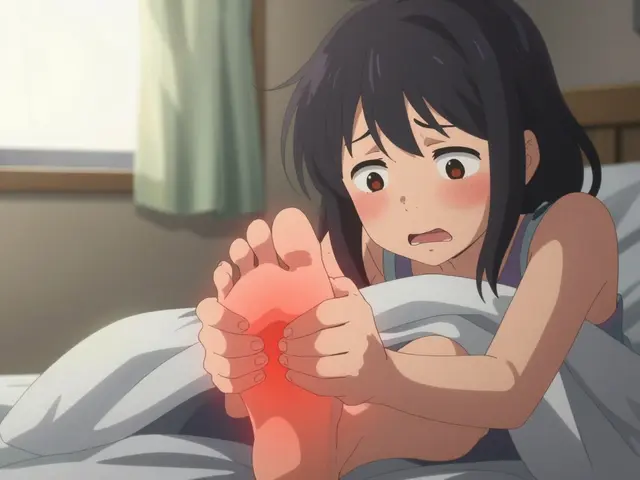
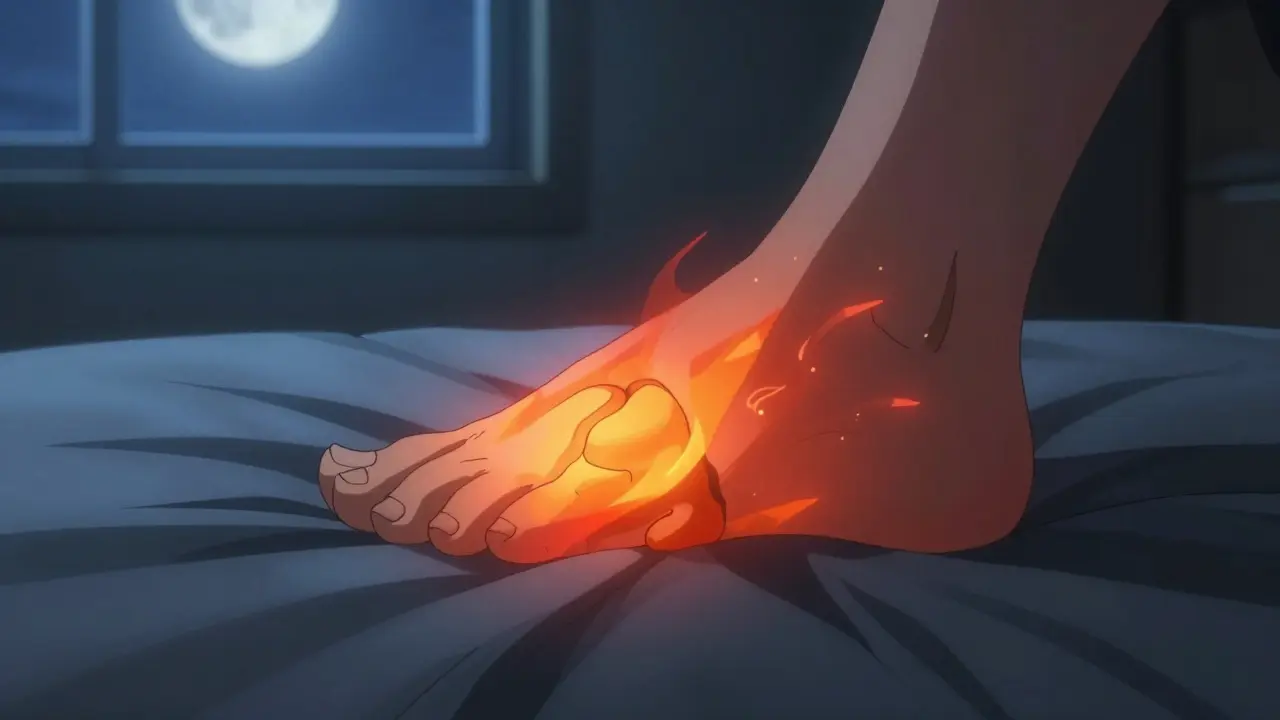
The goal isn't just to stop the pain when it happens, but to change the chemistry of your body so the pain doesn't return. To do that, you have to understand the role of uric acid and why your body is failing to keep it in check.
The Science of the Flare: Why Uric Acid Crystallizes
In a healthy body, uric acid is a waste product created when the body breaks down purines-natural substances found in certain foods and your own tissues. Most mammals have an enzyme called uricase that turns this waste into a soluble substance called allantoin, which is easily flushed out. Humans and great apes, however, lost this enzyme through evolution. We are essentially designed to operate at a higher level of uric acid than other animals.
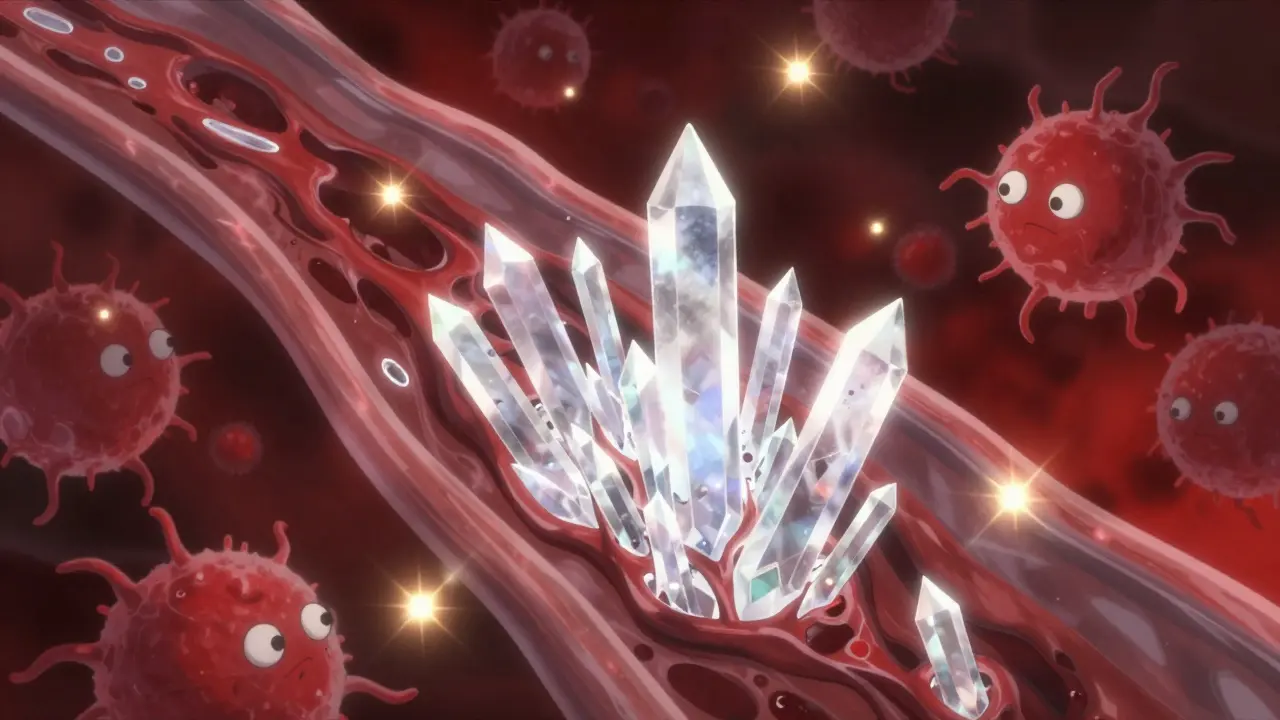
The trouble starts with Hyperuricemia, which is a condition where serum uric acid levels exceed the saturation point of 6.8 mg/dL. Think of your blood like a glass of water; once you add too much sugar, it can't dissolve anymore and starts to form crystals at the bottom. When your blood levels hit that 6.8 mg/dL mark, the uric acid stops being a liquid and turns into sharp, needle-like crystals of monosodium urate (MSU).
These crystals settle in the joints-most commonly the big toe, but also the ankles and knees. Your immune system sees these crystals as foreign invaders. Specifically, they activate the NLRP3 inflammasome in your macrophages, triggering a massive release of inflammatory proteins. This is why your joint doesn't just ache; it becomes red, hot, and incredibly swollen.
What Actually Triggers a Gout Attack?
You might have high uric acid for years without a single problem. So, why does a flare happen suddenly? A trigger is usually something that either spikes your uric acid levels or physically disturbs existing crystal deposits.
- Dietary Purine Spikes: Eating organ meats (like liver) or shellfish can flood your system with purines. Organ meats can contain 300-500 mg of purines per 3-ounce serving, making them high-risk foods.
- The Alcohol Effect: Beer is a double threat. It contains purines (about 5-10 grams per liter) and interferes with how your kidneys flush out uric acid. Research shows daily beer consumption can increase gout risk by 49%, whereas spirits have a lower impact at around 15%.
- Hidden Sugars: High-fructose corn syrup in sodas and processed snacks can increase uric acid production by 20-30% because fructose depletes ATP during its metabolism.
- Dehydration: When you don't drink enough water (less than 1.5 liters a day), your urine becomes concentrated, and your kidneys can't clear uric acid efficiently.
- Physical Trauma: Even a minor stubbed toe or a surgical procedure can "shake loose" crystals that were previously walled off in the joint, triggering an immediate immune response.
Medication Strategies: Acute Relief vs. Long-Term Control
The biggest mistake people make with gout is confusing the two types of medication. One puts out the fire (acute), and the other prevents the fire from starting (preventative). If you only use the "fire extinguisher," you'll be trapped in a cycle of attacks.
Managing the Acute Attack
When you are in the middle of a flare, the goal is to kill the inflammation. You aren't trying to lower your uric acid yet-in fact, changing your acid levels too quickly during a flare can actually make the pain worse by shifting crystals around.
| Medication Type | Common Example | Typical Usage | Best For... |
|---|---|---|---|
| NSAIDs | Indomethacin | 50 mg three times daily (3-5 days) | General inflammation and pain |
| Colchicine | Colchicine | 0.6 mg three times daily (4-7 days) | Early-stage flares (first 24-48 hours) |
| Corticosteroids | Prednisone | 30-40 mg daily (5 days with taper) | People who can't take NSAIDs/Colchicine |
Long-Term Urate-Lowering Therapy (ULT)
Once the flare is gone, it's time to address the root cause. Allopurinol is the gold standard here. It doesn't treat pain; instead, it blocks the production of uric acid. The target is to keep your serum uric acid levels below 6 mg/dL. For those with severe cases or visible tophi (lumps of crystals under the skin), the target is often lower-around 5 mg/dL.
If you can't tolerate allopurinol, doctors may use Febuxostat or Probenecid (the latter only for those with strong kidney function). The key is consistency. If you stop taking these meds, your uric acid will rebound within 2-4 weeks, and the attacks will return.
The "Prevention Paradox": Avoiding the First-Dose Flare
There is a strange phenomenon when starting long-term medication: the drug that is supposed to cure you can actually trigger a new attack. This happens because as allopurinol lowers the uric acid in your blood, the crystals in your joints start to dissolve. This "mobilization" of crystals can trick your immune system into thinking a new attack is happening.
To prevent this, doctors typically prescribe a "prophylactic" dose of low-dose colchicine (0.6 mg once or twice daily) for the first six months of treatment. This keeps the inflammation dampened while your body slowly clears the crystal stores. Without this bridge, 30-40% of patients experience flares shortly after starting their meds.
Lifestyle Adjustments That Actually Work
Diet alone rarely cures gout-since 90% of cases are caused by the kidneys failing to excrete uric acid rather than overeating purines-but it can significantly lower the frequency of attacks.
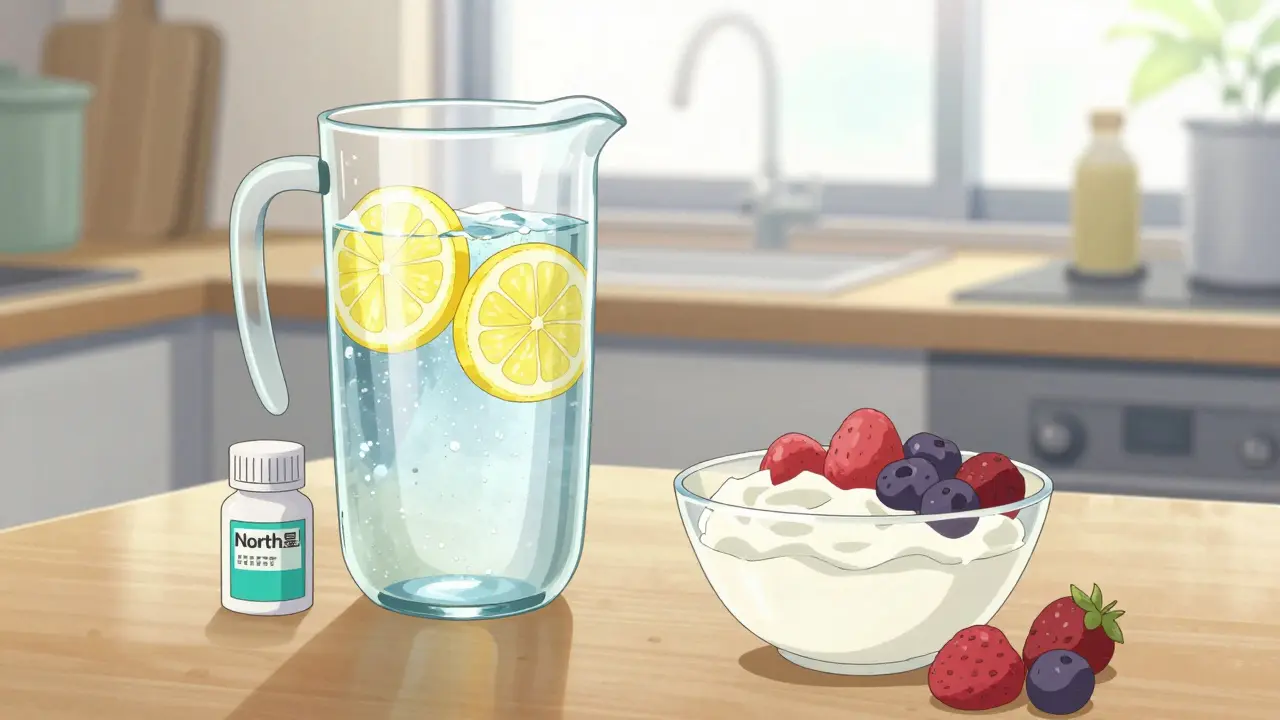
- Prioritize Low-Fat Dairy: Interestingly, low-fat milk and yogurt can reduce gout risk by about 43%. Dairy helps the body excrete uric acid more effectively.
- Hydrate Aggressively: Aim for more than 2 liters of water daily. This keeps your kidneys flushing out waste and prevents the blood from becoming too concentrated.
- Swap the Beer for Water: If you must drink, avoid beer and grain-based liquors. Stick to moderate amounts of spirits or wine, though water remains the best choice.
- Cut the Fructose: Be wary of "added sugars" in processed foods. Replacing soda with sparkling water can reduce the metabolic load on your liver and kidneys.
Can I stop taking allopurinol once the pain goes away?
No. This is a common mistake. Allopurinol is not a painkiller; it is a preventative. If you stop it because you feel better, your uric acid levels will climb back up, and you'll likely suffer a severe relapse within a month.
Why does my toe hurt more if I start my medication during a flare?
Rapid changes in uric acid levels-whether they go up or down-can destabilize the crystals in your joints. This mobilization triggers the immune system, which is why doctors recommend treating the inflammation first and then starting long-term therapy with a protective dose of colchicine.
Is gout a permanent condition?
While you cannot "cure" the genetic tendency to produce or retain uric acid, you can effectively put the disease into remission. By maintaining levels below 6 mg/dL, crystals can actually be reabsorbed by the body, causing tophi to shrink or disappear entirely.
What are the side effects of colchicine?
The most common side effect is gastrointestinal distress, specifically diarrhea, which occurs in 10-20% of patients. If this happens, your doctor may need to adjust the dose or switch you to a corticosteroid.
Do I need to avoid all red meat?
You don't need to eliminate all red meat, but limiting organ meats (liver, kidneys) and high-purine seafood (mussels, scallops) is critical. Focus more on the quality and quantity of your hydration and the inclusion of low-fat dairy.
Next Steps for Recovery
If you're currently experiencing a flare, focus on icing the joint and taking the anti-inflammatories prescribed by your doctor. Once the swelling goes down, schedule a blood test to check your baseline uric acid level. This number is your North Star; if it's above 6 mg/dL, talk to your physician about starting a urate-lowering strategy. Remember that the first few months of preventative medicine are the trickiest, so don't be surprised if you need a low dose of colchicine to keep things stable while your joints clear out those old crystals.