Medication Interaction Safety Checker
1. Select Your Medications
Understanding the Danger Zone: When ADHD Meds Meet Antidepressants
You might feel relieved when you finally get a diagnosis for both depression and ADHD. But relief can quickly turn to fear if your doctor prescribes certain medications together. There is a specific combination of drugs known to cause life-threatening reactions. We are talking about mixing MAOIsMonoamine Oxidase Inhibitors, a type of older antidepressant, with ADHD stimulants. The result is a condition called hypertensive crisis.
This isn't just a theoretical warning. It is a documented medical emergency that has stopped doctors from prescribing these drugs together for decades. If you are currently on one of these treatments, understanding why this mix is dangerous could save your life. Let’s break down exactly what happens in your body when these chemicals collide.
The Core Conflict: Why These Drugs Fight Each Other
To understand the risk, we first need to know what these drugs do alone. MAOIsMonoamine Oxidase Inhibitors were among the first antidepressants developed. Drugs like tranylcypromine and phenelzine work by stopping an enzyme called monoamine oxidase. Think of this enzyme as a cleanup crew. Normally, it breaks down neurotransmitters-brain chemicals like serotonin and norepinephrine-so they don't accumulate.
When you take an MAOI, you are essentially telling that cleanup crew to go home. Neurotransmitter levels rise, which helps with mood. On the other side, ADHD StimulantsMedications like amphetamines and methylphenidate work differently. They force more dopamine and norepinephrine out into the space between brain cells. They also stop the reuptake process, meaning those chemicals stay active longer.
Here is where the trouble starts. Imagine a bathtub with the drain plugged (the MAOI) and the tap turned on full blast (the stimulant). The water level rises until it overflows. In your body, that "water" is norepinephrine. This chemical controls your blood vessels. Too much of it causes your blood vessels to squeeze tight. This sudden squeezing leads to dangerously high blood pressure.
Defining the Threat: Hypertensive Crisis
High blood pressure is common, but a hypertensive crisis is different. Normal blood pressure is around 120/80 mmHg. A hypertensive crisis happens when systolic pressure exceeds 180 mmHg and diastolic pressure goes above 110 mmHg. This is not something your body can handle comfortably.
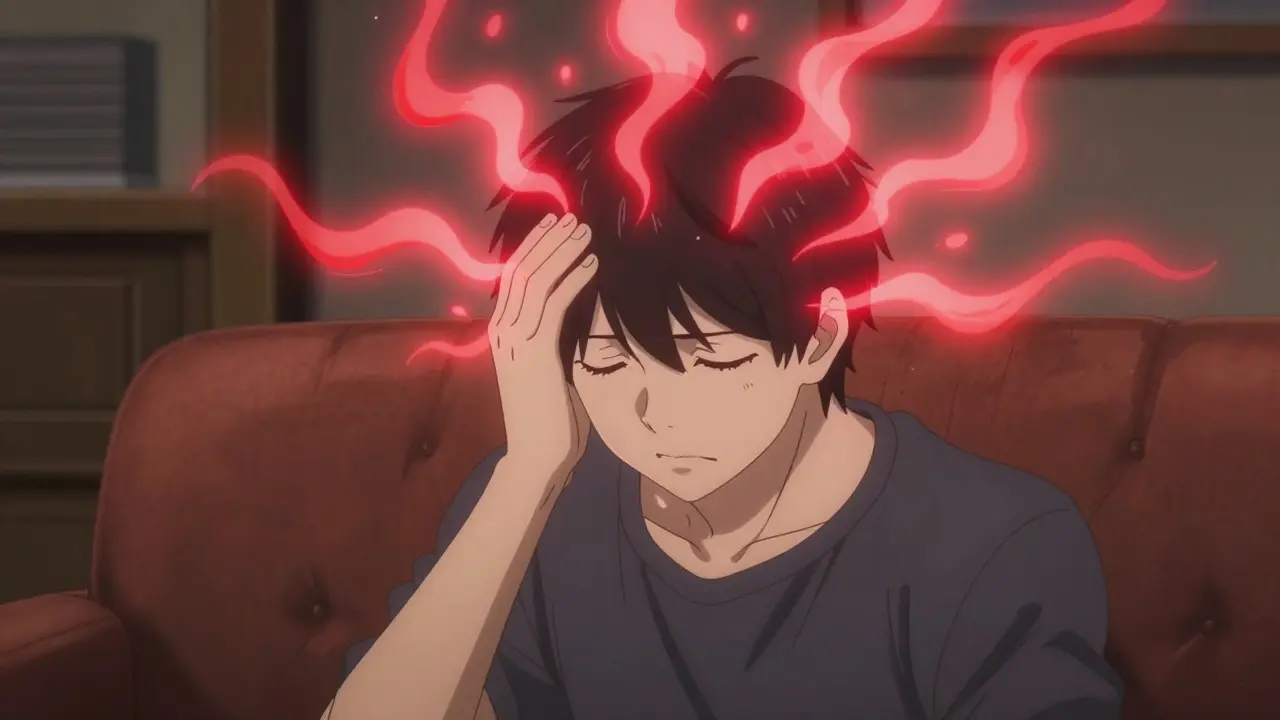
If this state persists, the high pressure can damage blood vessel walls. The body tries to compensate by constricting vessels even further. Symptoms usually appear suddenly. You might get a pounding headache that feels like a drumbeat in your head. Your neck might feel stiff. You could experience nausea, sweating, or confusion. In severe cases, this pressure can cause strokes, heart attacks, or bleeding in the brain (intracranial hemorrhage).
Data from clinical trials indicates that while stimulants alone raise blood pressure slightly-an average of 2-4 mmHg-adding an MAOI creates a compounding effect. Individual responses vary, but some patients see jumps exceeding 15 mmHg on their own. Combine that with an MAOI's inability to process tyramine, and the numbers skyrocket past safe limits instantly.
The Role of Diet: Tyramine and Hidden Triggers
You might think avoiding the second pill is enough. But there is a dietary layer to this risk. MAOIs block the breakdown of a substance called tyramine found in many foods. When you eat aged cheese, cured meats, or tap beer, tyramine enters your system. Normally, enzymes in your gut burn it off. With an MAOI on board, that protection is gone.
If you combine that diet with a stimulant, the risk multiplies. The stimulants amplify the release of adrenaline-like chemicals, while the MAOI prevents their removal. Dr. Joseph Barnett from the Cleveland Clinic explains that this combination can cause extreme effects on blood pressure. One case report from 2023 showed a patient reaching a systolic reading of 210 mmHg after mixing tranylcypromine with dextroamphetamine and psilocybin mushrooms. While that specific case involved mushrooms, the principle remains: the body loses its ability to regulate chemical surges.
Newer formulations offer some hope. Transdermal selegiline (often known by the brand Emsam) comes as a patch. At doses of 6 mg per 24 hours, it inhibits the MAO-B enzyme in the brain but has less effect on MAO-A in the gut. This means you often don't need the strict "tyramine diet." However, even with the patch, the FDA warns that rare cases of hypertensive reaction occur, especially if you increase the dose to 10 mg daily.
Medical Guidelines and the Washout Period
Because the risk is so clear, regulatory bodies have strict rules. The FDA labeling for most CNS stimulants mandates that you cannot take them simultaneously with MAOIs. Furthermore, you must wait at least 14 days after stopping an MAOI before starting a stimulant. Why 14 days? It takes time for your body to regenerate the monoamine oxidase enzymes. Until new enzymes are made, your risk remains elevated.
This rule applies regardless of the specific drug. Whether it is an immediate-release tablet or a long-acting capsule like Concerta or Vyvanse, the 14-day window is non-negotiable. Clinicians who ignore this guideline risk causing severe adverse reactions. This contraindication is listed in black box warnings on packaging because the consequence is potentially fatal.
However, medicine is rarely black and white. A review published in PubMed noted that some experienced clinicians have combined these drugs safely in very specific circumstances. Dr. Richard Friedman from Weill Cornell Medicine stated that while theoretical risk exists, actual incidents in his care were exceedingly rare over 15 years. He emphasizes that this is reserved for treatment-resistant cases where all other options failed.
Safer Alternatives for Complex Patients
If you suffer from both depression and ADHD, does this mean you are stuck? Not necessarily. The decline in MAOI prescriptions-now representing less than 1% of antidepressant scripts in the US-suggests doctors prefer newer options. SSRIs and SNRIs generally interact less dangerously with stimulants.
If an MAOI is absolutely necessary for severe depression, specialists sometimes use MoclobemideA reversible inhibitor of monoamine oxidase A (RIMA). Unlike traditional MAOIs, Moclobemide works temporarily. It lets the enzyme recover faster and interacts less with tyramine. It is not FDA-approved in the US, but it is available in Europe and Canada. Studies from 1998 show minimal interaction at therapeutic doses, making it a theoretically safer choice if combination therapy is unavoidable.
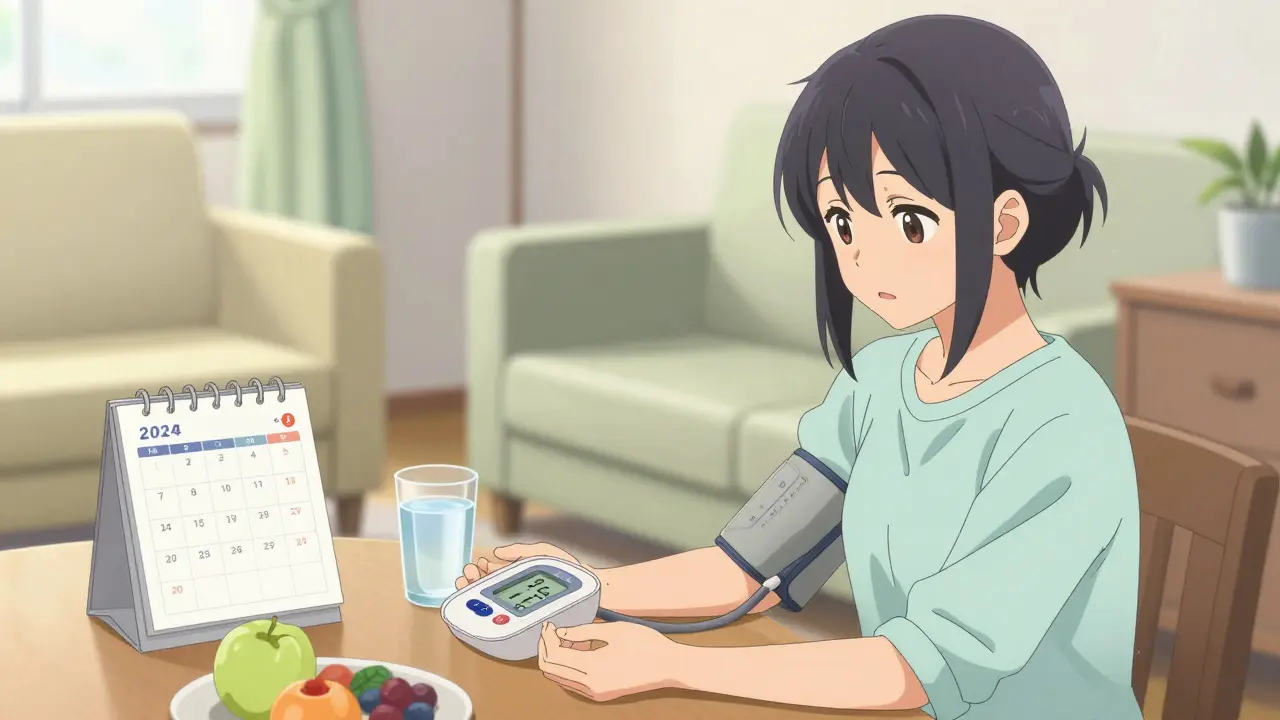
Another option involves careful dosing strategies. Massachusetts General Hospital ran a series where they started patients on very low doses of lisdexamfetamine (starting at 10 mg daily) while monitoring blood pressure weekly. Over six months, no hypertensive episodes occurred. Success required strict adherence to home blood pressure monitoring and excluding patients with pre-existing hypertension.
| Combination Type | Risk Level | Notes |
|---|---|---|
| Amphetamines + MAOIs | Very High | Strong noradrenergic effects increase BP significantly |
| Methylphenidate + MAOIs | High | Dopaminergic action still poses pressure risks |
| Transdermal Selegiline (low dose) + Stimulants | Moderate/Low | Selective MAO-B inhibition; fewer dietary restrictions |
| Moclobemide + Stimulants | Low | Reversible enzyme inhibition; safer profile |
Navigating the Treatment Landscape
Patients often find themselves in a difficult position. Treating resistant depression is hard enough without adding the complexity of ADHD management. The market trends show a shift away from MAOIs due to these safety concerns. With ADHD prescriptions rising to nearly 92 million in recent years, the overlap becomes more likely.
Specialized psychiatric clinics now report combining these medications in roughly 5-7% of complex cases. This is mostly done at academic centers like Johns Hopkins. The protocol usually involves starting stimulants at 10-25% of the standard dose. Blood pressure must be monitored every 15-30 minutes during initial titration. If you are considering this path, you must have access to a home monitor and know your baseline readings.
Even with precautions, the American Psychiatric Association maintains a "strong recommendation against" concurrent use. Their 2022 practice guidelines emphasize avoiding the mix whenever possible. The reasoning is simple: the potential for catastrophic harm outweighs the benefits for most patients.
How long do I wait after stopping an MAOI before taking stimulants?
You generally need a washout period of 14 days. This allows your body to regenerate the enzymes needed to process neurotransmitters safely. Skipping this gap leaves your blood pressure vulnerable to spikes.
Are all ADHD meds unsafe with MAOIs?
Yes, standard ADHD stimulants like methylphenidate and amphetamines carry risk. Non-stimulant options like atomoxetine or guanfacine may present lower risks regarding blood pressure, though consulting a psychiatrist is essential for specifics.
Can I eat aged cheese while on an MAOI?
Traditional oral MAOIs require limiting tyramine intake to under 50 mg daily. Foods like aged cheeses, cured meats, and fermented products should be avoided. Transdermal patches at low doses may not require this diet, but always verify with your doctor.
What are the symptoms of a hypertensive crisis?
Look for severe headaches, neck stiffness, nausea, sweating, flushing, and blurred vision. If your blood pressure reads over 180/110 mmHg, seek emergency medical attention immediately.
Is the transdermal MAOI patch safer for combination therapy?
Transdermal selegiline (Emsam) has a lower risk profile at 6 mg/24h doses due to selective enzyme inhibition. However, it is still contraindicated with stimulants by default, and higher doses increase risk. Clinical trials are exploring safe protocols, but caution remains paramount.
Managing mental health is a journey filled with trials. Sometimes, the right treatment path seems blocked by safety barriers. But knowing the mechanics of drug interactions puts you in control. If you are prescribed these medications, track your blood pressure, communicate openly with your provider, and never skip the washout period. Your safety is the priority in any treatment plan.