Buy Cheap Generic Bactrim Online in the UK - Safe Pharmacy Guide 2025
Oct 14 2025

When your body mistakes a medication for a threat, it can trigger a drug allergy, an immune system response to a medication that causes harmful symptoms. Also known as medication sensitivity, a drug allergy isn’t just a side effect—it’s your body fighting back, sometimes dangerously. Unlike nausea or dizziness, which are common and expected with some drugs, a true allergy involves your immune system releasing histamine and other chemicals. This can lead to hives, swelling, trouble breathing, or even anaphylaxis, a life-threatening whole-body reaction that needs immediate treatment. You might not know you have one until you react—often after taking a drug you’ve used before without issue.
Some drugs are far more likely to cause allergic reactions than others. NSAIDs, like ibuprofen and aspirin, commonly trigger reactions that mimic allergies, even if they’re not true immune responses. Antibiotics, especially penicillin and sulfa drugs, are classic culprits. Even over-the-counter pain relievers like acetaminophen, often seen as harmless, can cause rare but serious skin reactions in sensitive people. And if you’re allergic to one drug, you might react to others in the same class—like being allergic to one penicillin and reacting to amoxicillin. This is called cross-reactivity, when the immune system confuses similar chemical structures between different drugs.
Chemotherapy drugs can cause hypersensitivity reactions during infusion—ranging from flushing and itching to sudden drops in blood pressure. These aren’t always classic allergies, but they’re just as scary and need quick action. If you’ve ever had a rash after a new medication, or felt your throat tighten after taking a pill, don’t brush it off. Keep a list of every drug you’ve reacted to, including the symptoms and timing. Share it with every doctor and pharmacist. Many people don’t realize that even supplements and contrast dyes used in imaging scans can trigger reactions. The good news? Most drug allergies can be managed safely with proper testing and alternative options. You don’t have to avoid all meds—you just need to know which ones to skip.
Below, you’ll find real-world guides on how to recognize reactions, which drugs are most risky, how to avoid dangerous interactions, and what to do if you or someone you care about has a severe response. These aren’t theoretical—they’re based on actual patient experiences and medical data. Whether you’re dealing with a mild rash or worried about anaphylaxis, the information here will help you take control.
Nov
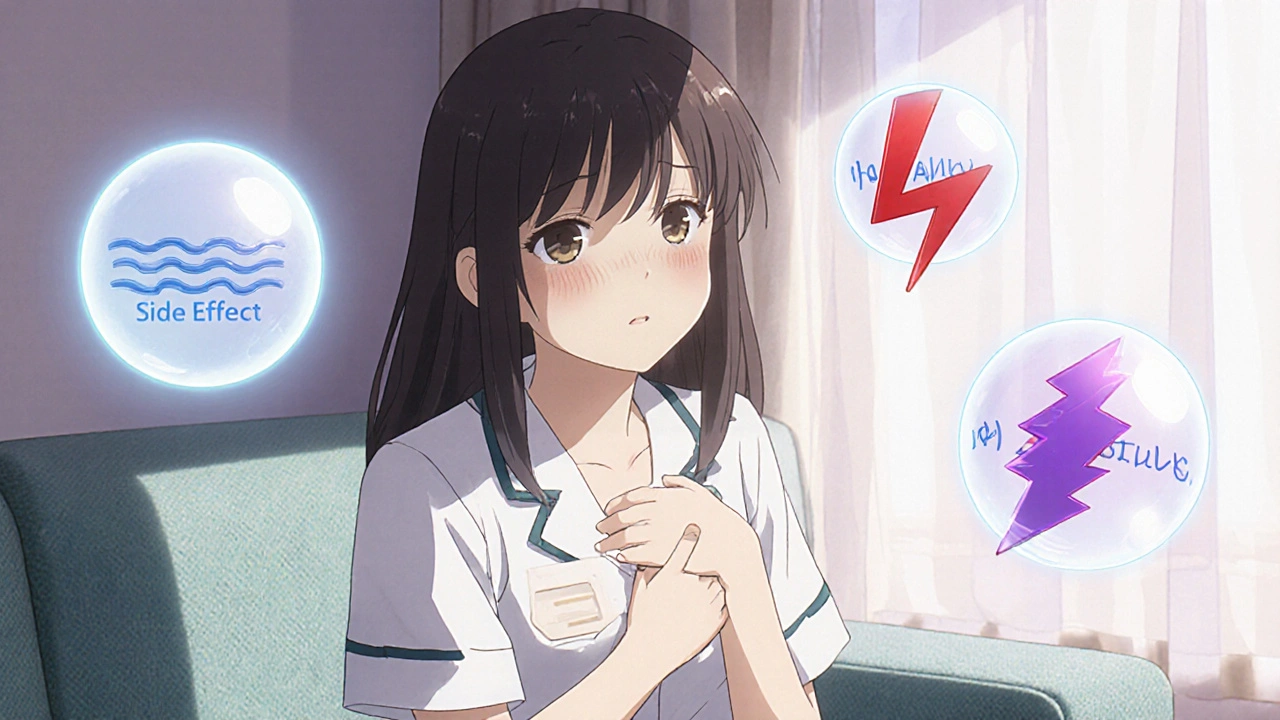
Learn how to tell the difference between side effects, allergic reactions, and drug intolerance - and why mixing them up can lead to dangerous medical decisions. Most people who think they’re allergic aren’t.
Oct 14 2025

Oct 3 2025
Dec 10 2025

Nov 20 2025

Jan 20 2026