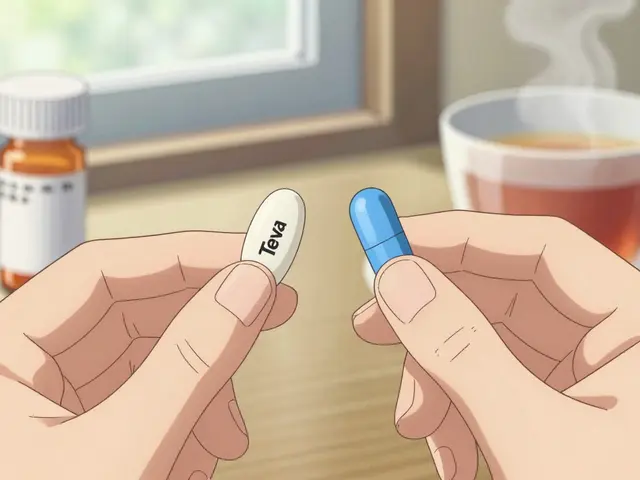
Switching Between Generic Medications: What You Need to Know
Jan 6 2026

When you have a sore throat that won’t quit, fever, and swollen tonsils, it’s often antibiotics for strep, prescription drugs used to treat bacterial infections like strep throat caused by Group A Streptococcus. Also known as strep throat antibiotics, they’re not just a quick fix—they’re a necessary tool to stop the infection from spreading or turning into something worse, like rheumatic fever or kidney damage. But here’s the catch: not all sore throats need them. Viruses cause most sore throats, and antibiotics won’t touch them. Taking them anyway doesn’t help—it just increases your risk of side effects and makes future infections harder to treat.
The go-to penicillin, a first-line antibiotic for strep throat that’s been used for over 70 years and remains highly effective is still the gold standard. If you’re allergic, amoxicillin, a closely related penicillin-type antibiotic often preferred for its better taste and once-daily dosing in children is usually the next choice. Both are cheap, proven, and rarely cause serious problems—unless you’re one of the many who think they’re allergic. Most people labeled "allergic to penicillin" aren’t. They had a rash as a kid, or got sick from a virus at the same time. Getting tested can save you from stronger, pricier, and riskier antibiotics down the road.
Some antibiotics, like azithromycin or clindamycin, are used only when penicillin won’t work. But they’re not better—they’re backups. They come with higher chances of diarrhea, yeast infections, and even a rare but serious gut infection called C. diff. And if you take them without a confirmed strep diagnosis, you’re just feeding antibiotic resistance. The CDC says nearly half of all antibiotic prescriptions in the U.S. are unnecessary. That’s not just bad for you—it’s bad for everyone.
What you’ll find in these posts isn’t just a list of drugs. It’s a guide to spotting real allergies vs. side effects, understanding why some people react badly to common antibiotics, and learning how to talk to your doctor so you get the right treatment—not the most expensive one. You’ll see how drug interactions can turn a simple strep infection into a bigger problem, especially if you’re on other meds. And you’ll learn how to avoid the traps that lead to misdiagnosis, overprescribing, and unnecessary risk.
Whether you’re a parent dealing with a sick kid, someone who’s been told they’re allergic to penicillin, or just tired of guessing what’s wrong with your throat, this collection gives you the facts you need to make smarter choices. No fluff. No marketing. Just what actually works—and what you should never take.
Nov

Strep throat requires accurate diagnosis and full antibiotic treatment to prevent serious complications. Learn how it’s diagnosed, which antibiotics work best, and what to expect during recovery.
Jan 6 2026
Dec 17 2025
Mar 11 2026

Sep 27 2025

Oct 13 2025