Discover 9 Alternatives to CanadaCloudPharmacy.com for Affordable Medication
Mar 5 2025

When you take an antibiotic mechanism, the specific way a drug attacks bacteria to stop or kill an infection. Also known as antibacterial action, it’s not just about swallowing a pill—it’s about how that pill rewires the survival of the bacteria inside you. Not all antibiotics work the same. Some tear apart the bacterial cell wall like a wrecking ball. Others sneak in and jam the protein-making machines. Some even block DNA replication so the bacteria can’t multiply. Knowing the antibiotic mechanism helps you understand why your doctor picked one drug over another—and why skipping doses can make things worse.
Take bacterial cell wall, a rigid outer layer that protects bacteria and gives them shape. Also known as peptidoglycan layer, it’s something human cells don’t have, which is why drugs like penicillin can target it without hurting your own tissue. Antibiotics like amoxicillin and vancomycin attack this wall, causing the bacteria to burst. Then there’s protein synthesis, the process bacteria use to build the enzymes and structures they need to live. Drugs like azithromycin and tetracycline lock onto the ribosomes—the tiny factories inside bacteria—and shut them down. This doesn’t always kill the bacteria right away; it just stops them from growing. That’s the difference between bactericidal, drugs that kill bacteria outright. Also known as killing agents, they’re often used in serious infections like sepsis. and bacteriostatic, drugs that pause bacterial growth, letting your immune system finish the job. Also known as growth inhibitors, they’re common for less severe cases like urinary tract infections. Mixing them up can lead to treatment failure. If your infection needs a killer but you get a pause button, the bacteria might outlast the drug.
Why does this matter to you? Because every time you take an antibiotic, you’re not just treating yourself—you’re shaping the future of medicine. If the drug doesn’t fully match the mechanism needed for your infection, surviving bacteria learn to resist. That’s how superbugs like MRSA form. The posts below show real comparisons: how Noroxin blocks DNA copying, how Bactrim cuts off folate production, and why some antibiotics work better for certain infections than others. You’ll see how mechanism drives choice—not marketing, not price, not convenience. This isn’t theory. It’s what your doctor should be thinking when they write your prescription. And now, so are you.
Nov
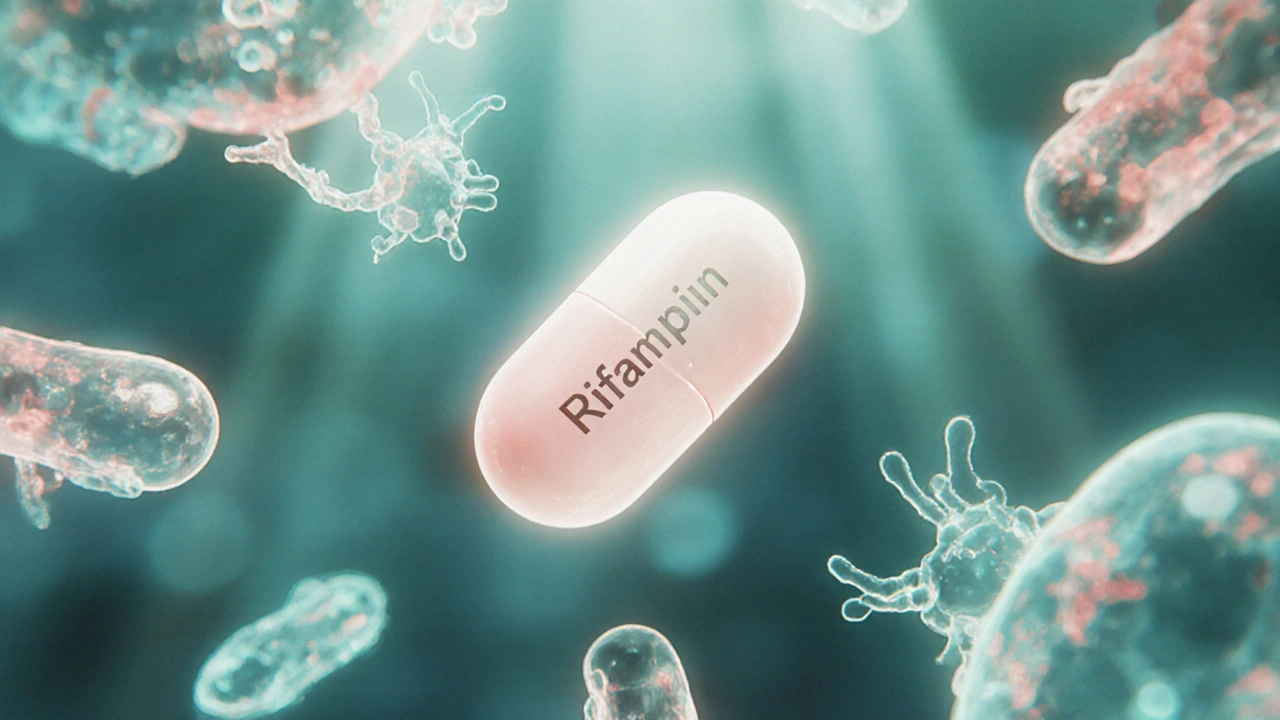
Rifampin fights bacterial infections by blocking RNA polymerase, stopping bacteria from making essential proteins. Used mainly for TB and staph infections, it works fast but requires combination therapy to prevent resistance.

Mar 5 2025
Nov 6 2025

Sep 23 2025
Oct 25 2025

Jan 13 2026