How to Buy Cheap Generic Doxycycline Online - Fast, Safe, and Legal
Sep 13 2025

When you grab a bottle of OTC medications, drugs you can buy without a prescription, often used for common symptoms like pain, colds, or heartburn. Also known as over-the-counter drugs, they’re meant to be simple, safe, and easy to use—but they’re not harmless. Millions of people reach for them daily without thinking twice. But if you’re on other meds, have a chronic condition, or just don’t know what’s in that pill, you could be risking more than a stomachache.
Drug interactions, when OTC meds clash with prescription drugs, supplements, or even food are way more common than you think. A simple antacid can mess with your thyroid med. Painkillers like ibuprofen can spike blood pressure if you’re on ACE inhibitors. Even something as harmless as echinacea might interfere with your immune system if you’re taking immunosuppressants. And let’s not forget side effects, the unintended reactions that come with any drug, even the ones sold on store shelves. Drowsiness from allergy pills. Nausea from stomach meds. Dizziness from decongestants. These aren’t rare—they’re normal. But they’re often ignored until someone ends up in the ER.
Here’s the thing: just because you don’t need a prescription doesn’t mean you don’t need knowledge. The same medication safety, the practice of using drugs correctly to avoid harm rules that apply to your heart pill apply to your pain reliever. Read the label. Check the active ingredients. Know what you’re mixing. Ask your pharmacist—they’re not just there to hand you the bottle. They can tell you if that cold medicine is safe with your blood pressure drug, or if that herbal supplement might make your antidepressant less effective.
And here’s what most people miss: OTC medications aren’t always the right answer. A headache might be a sign of high blood pressure. Heartburn could be GERD. Fatigue might be thyroid trouble. Treating the symptom without understanding the cause doesn’t fix anything—it just hides it. That’s why so many posts here focus on the hidden risks: how bisphosphonates irritate your esophagus, how rifampin changes how your other drugs work, how creatine can trick your kidney tests. OTC meds are part of that same story. They’re not the enemy. But they’re not harmless either.
Below, you’ll find real-world guides that cut through the noise. Learn how to tell the difference between a side effect and an allergic reaction. Understand why generics aren’t just cheaper—they’re often identical. See how state programs help people afford meds. Spot the red flags in labeling. And find out which OTC choices actually work, and which ones are just marketing.
Nov
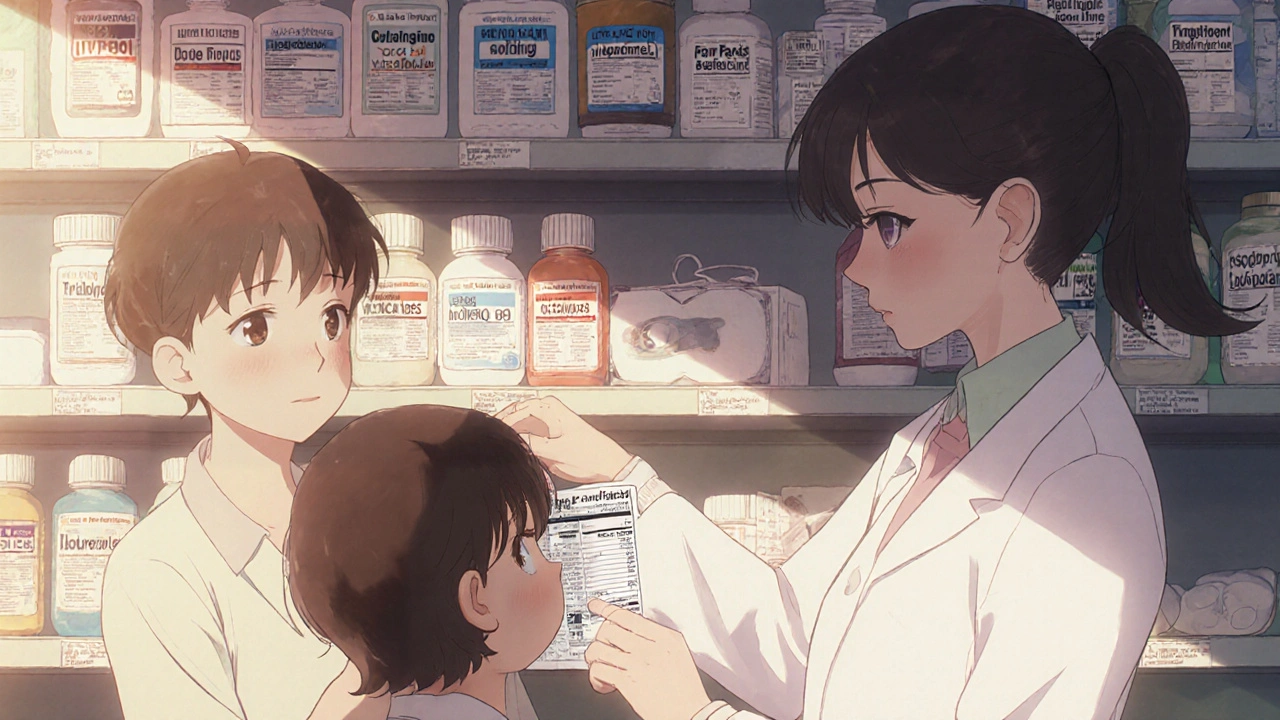
Learn how NSAIDs, acetaminophen, and antihistamines work, their risks, and how to choose the right OTC pain, fever, or allergy relief safely. Avoid common mistakes that lead to overdoses and side effects.

Sep 13 2025
Oct 10 2025
Dec 10 2025
Dec 24 2025
Dec 11 2025